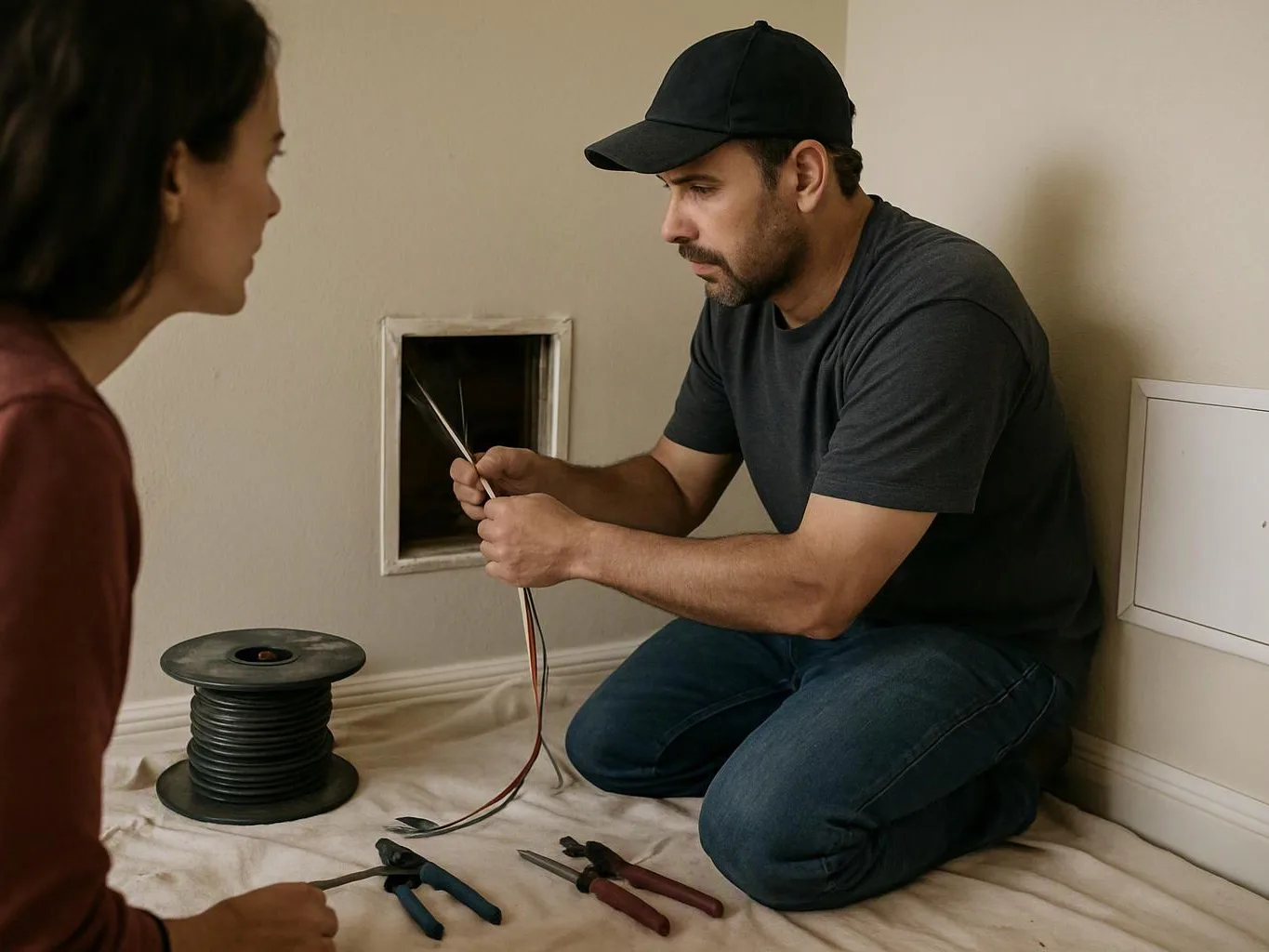
Mistakes to Avoid When a Breaker Keeps Tripping
A breaker that keeps tripping needs attention, not repeated resets or a larger breaker. Leave it off and contact Center Electric Service to find the cause.
Get a Free EstimateWhat should you do when a breaker keeps tripping?
A tripped breaker that keeps tripping should stay off until the cause is found. You can unplug devices on the affected circuit if it's safe to do so. We can find the cause and discuss Circuit Breaker Repair if it's needed.
A circuit breaker is a safety device that shuts off power when it detects a problem. Its trip can point to trouble with the electrical circuit, which is the path power follows through your home.
Mistakes to avoid with a tripping breaker
A tripping breaker is a warning that the circuit needs attention. Unsafe fixes can hide the cause and lead to damage or fire. We check the circuit to find a safe repair.
Keeping on resetting the breaker
Repeated resets don't fix the fault that caused the trip. They can expose wiring or devices to more damage. Leave the breaker off and let us find the cause.
Ignoring a breaker that won't stay on
A breaker that won't stay on may point to a circuit fault. Ignoring it can leave a fire risk or lead to more damage. Leave it off and ask us for Electrical Troubleshooting.
Installing a larger breaker to stop trips
A larger breaker may not protect the existing wires from excess current. Wires can overheat and cause a fire. We check the wiring and select a breaker rating that suits the circuit and meets code.
Forcing or holding the breaker on
Holding a breaker handle on can defeat its safety function. That can allow a fault to cause damage or fire. Leave the handle alone and keep the breaker off.
Putting too much demand on the circuit
A circuit overload happens when devices draw more power than the circuit can safely supply. The breaker may trip to protect the wiring. If it's safe, unplug devices on the affected circuit and leave the breaker off until we find the cause.
Assuming the breaker is the only problem
A faulty appliance or damaged wiring can also cause a trip. A short circuit (an unintended path for current) can cause heat and damage. We check the circuit and connected devices before deciding what needs repair.
Opening the panel or trying a repair
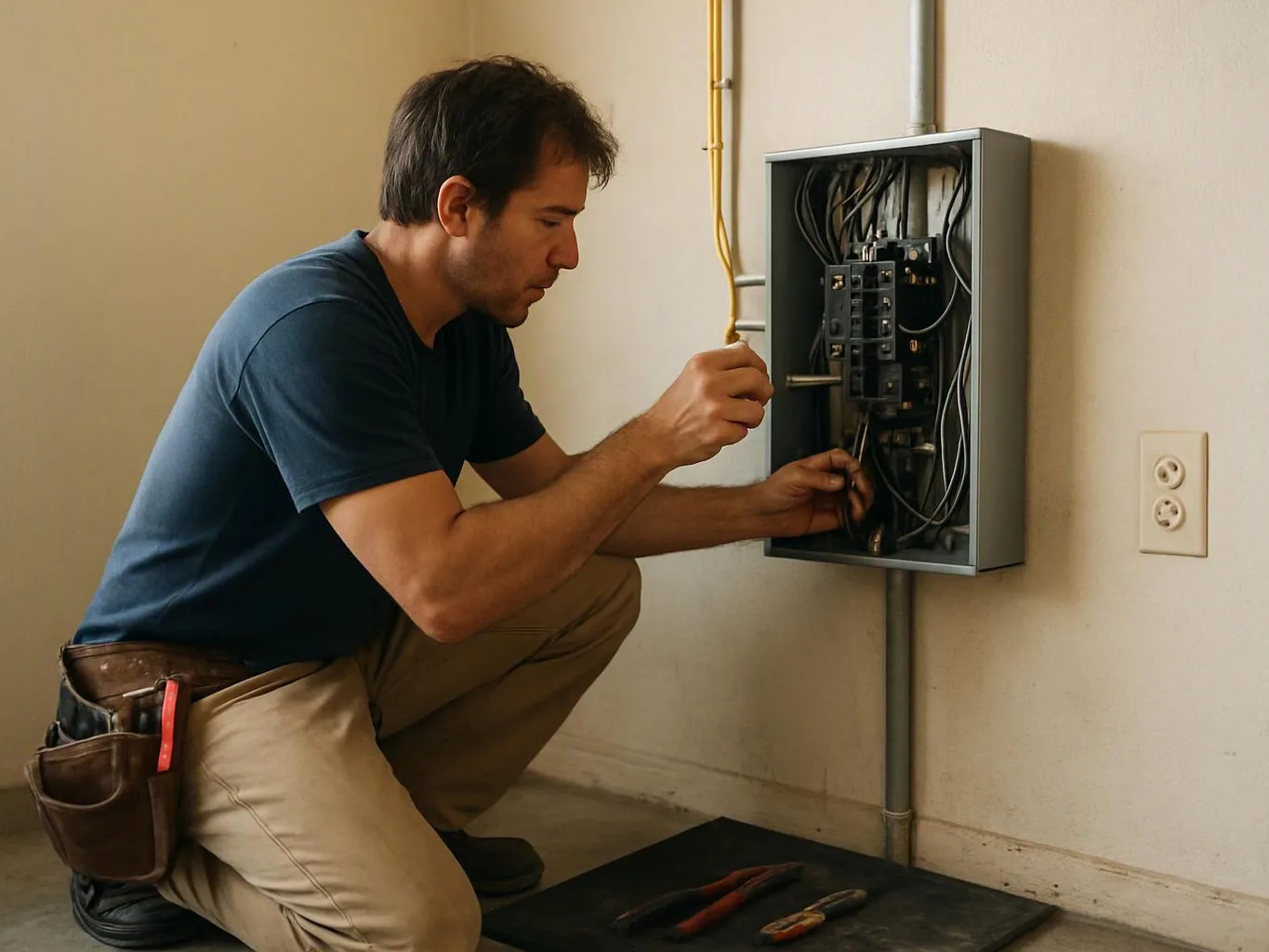
An electrical panel can contain live parts even when a breaker is off. Touching them can cause a serious shock. Keep the panel closed and let us handle the checks and repair.
Ignoring heat, smoke or a burning smell
Heat, smoke or a burning smell can warn of a fire. Keep clear of the panel and leave the area. Call emergency services if you see smoke or smell burning.
When should you call Center Electric Service?
Call us when a breaker trips again or you notice signs of damage. If you see smoke or smell burning, keep clear and call emergency services.
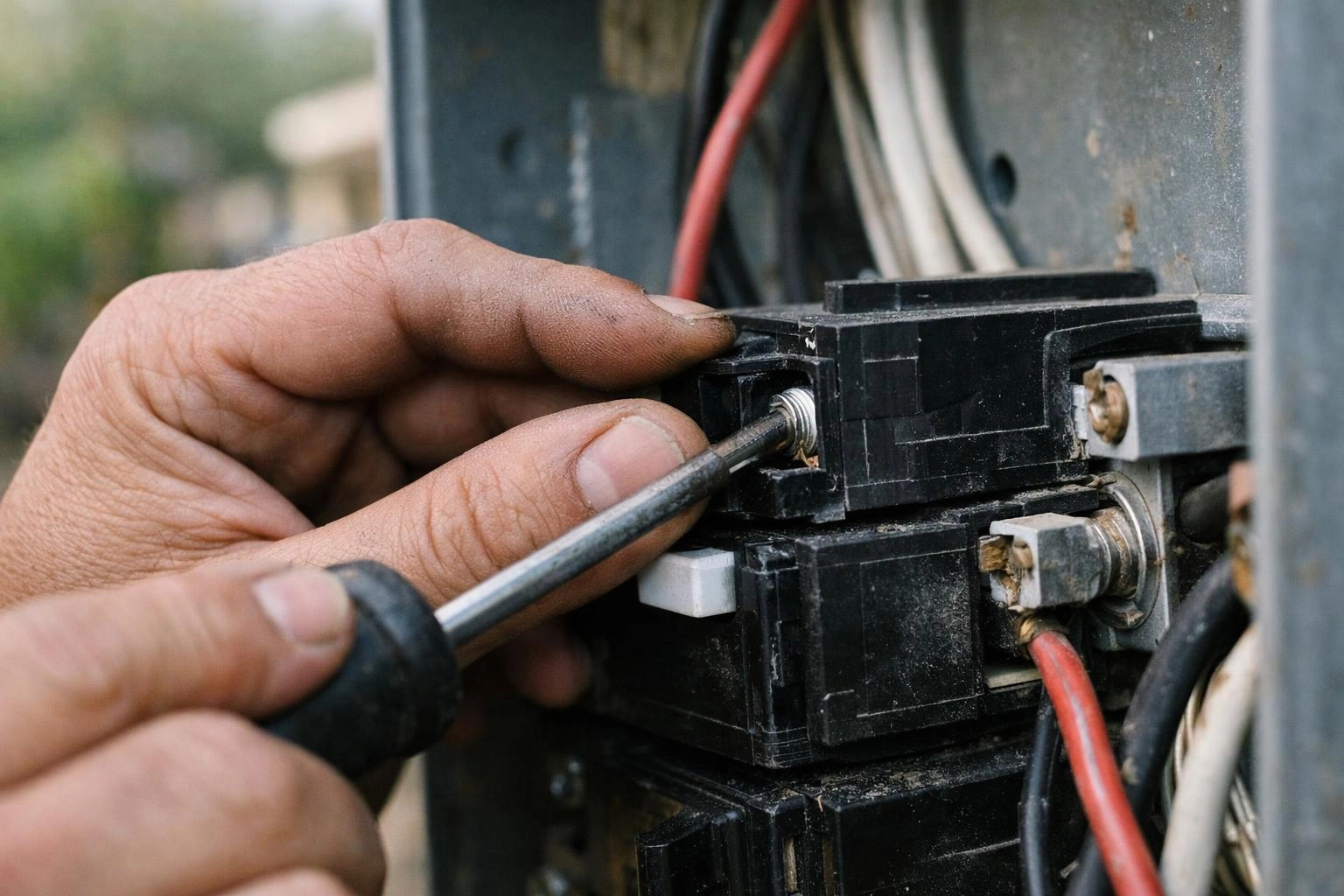
What happens during breaker troubleshooting?
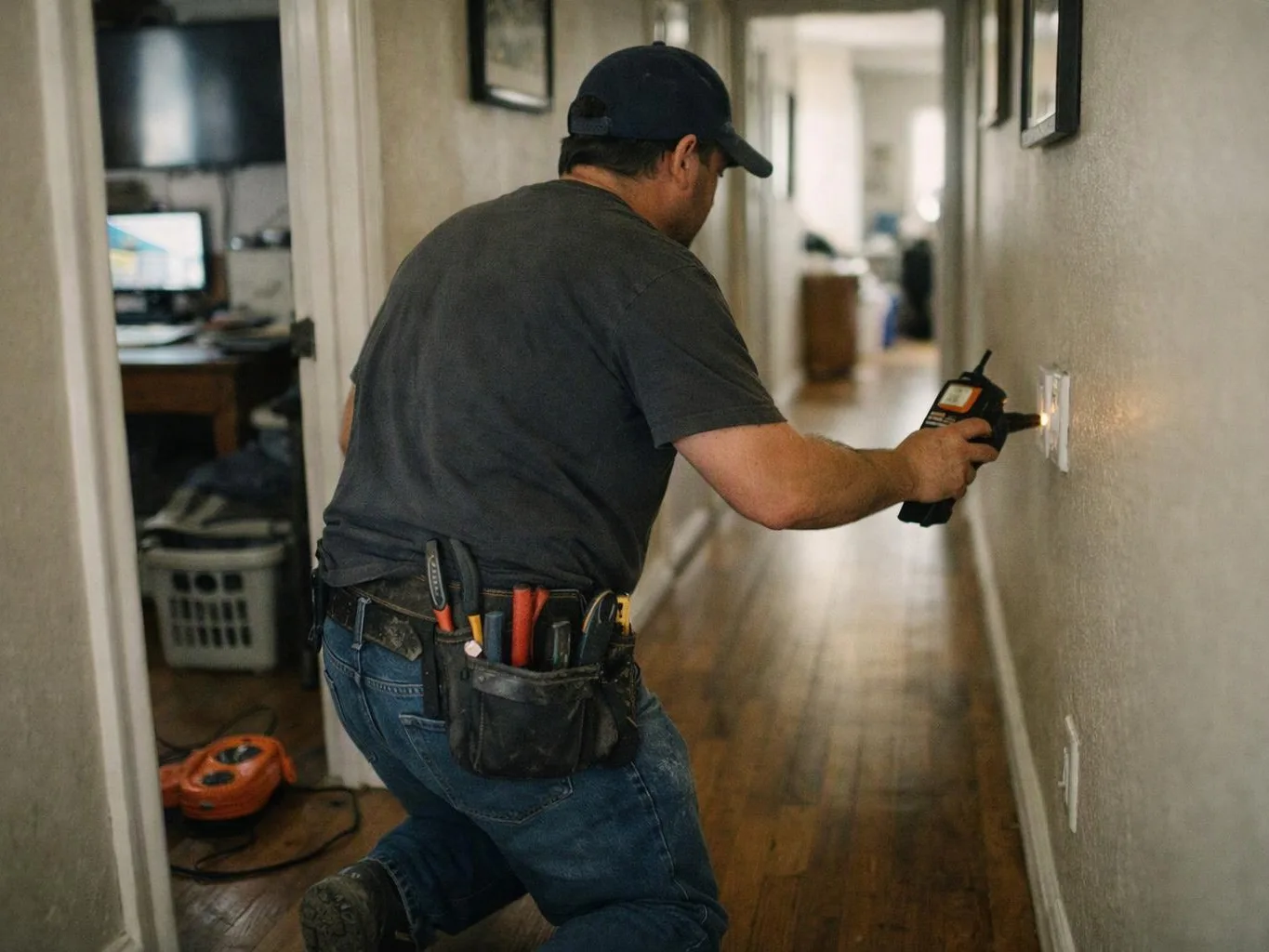
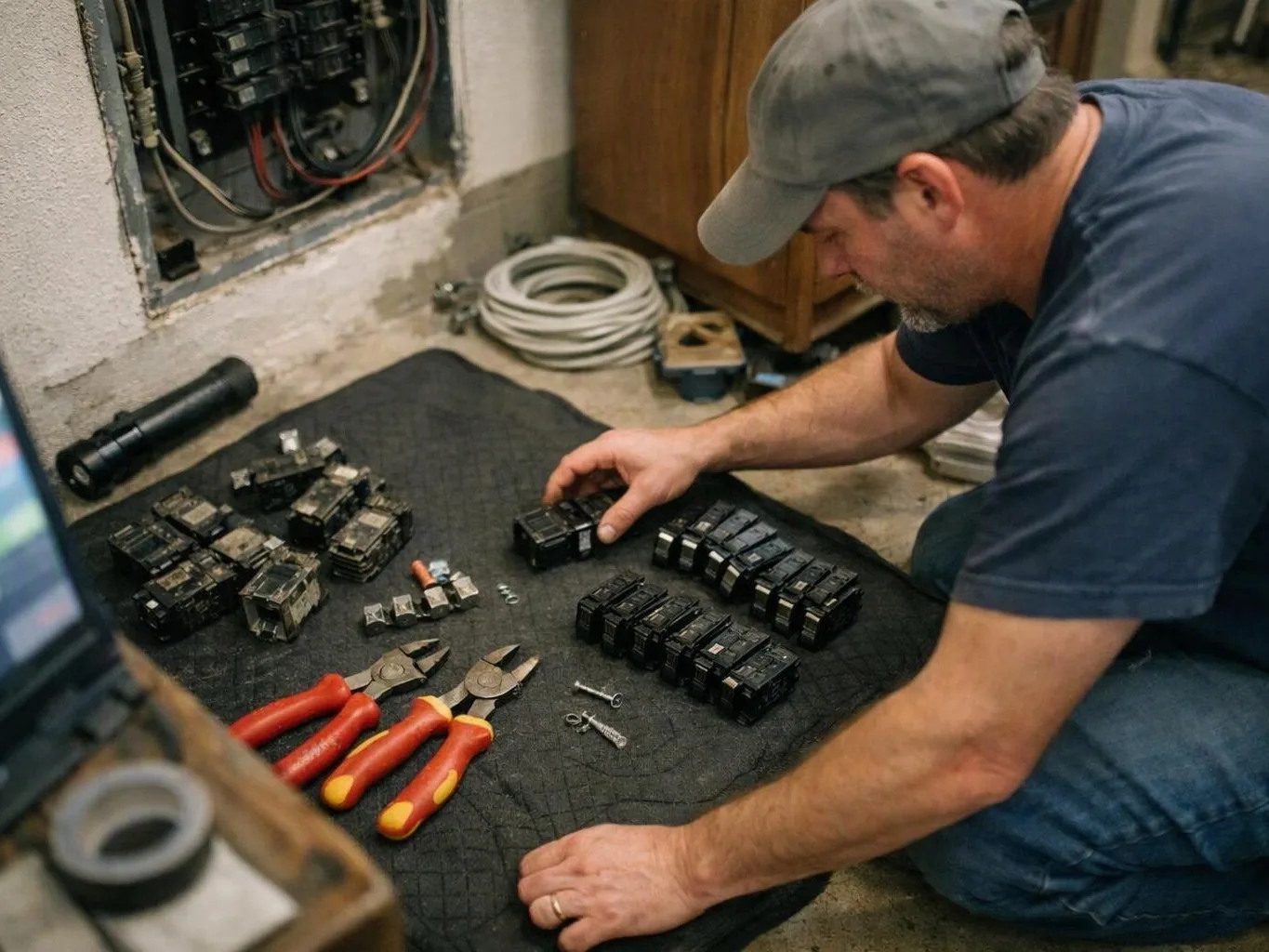
Breaker troubleshooting starts with the trip history and the affected circuit. We'll ask what was in use when the breaker tripped. We check the breaker and wiring to find the cause.
The needed repair and parts shape the quote. We'll explain the repair options and what the quote covers. You can ask us for a quote before work begins.
Contact Center Electric Service to discuss your tripping breaker and request a quote. We'll help you plan the next step.
Get a Free EstimateWhat Are the Key Specifications to Know?
- Topic Focus
- Mistakes to Avoid When a Breaker Keeps Tripping
- Related Core Service
- Circuit Breaker Repair
- Evaluation Method
- On-Site Inspection & Written Scope
- Compliance Standard
- Local Building Code & Manufacturer Specs
How Does the Evaluation & Execution Process Compare?
| Evaluation Stage | Technical & Quality Criteria | Timeline Checkpoint |
|---|---|---|
| Initial Diagnostic & Assessment | Identify root cause, site constraints & code requirements | Before any work begins |
| Written Scope & Option Comparison | Compare repair vs. replacement tiers & material grades | Prior to project approval |
| Code-Compliant Execution | Follow manufacturer specs & local permitting standards | During active service |
| Final Verification & Walkthrough | Verify installation alignment, performance & clean site handoff | Upon project completion |