Skip to content

Bidirectional EV Backup-Power Installation in Cherry Valley, CA

Battery communication failure can stop backup power in Cherry Valley. We test the EV link, transfer path, and load response.

Licensed & InsuredFree EstimatesWarranty AvailableSame-Day Service

Quick Summary: EV backup-power installation in Cherry Valley, CA

Bidirectional EV backup-power installation in Cherry Valley is provided by Center Electric Service for homes and businesses. The work covers battery communication, transfer testing, load testing, and isolation testing, with 24/7 emergency electrical response available for urgent electrical needs.

  • What we do: Center Electric Service provides Bidirectional EV backup-power installation for homes and businesses in Cherry Valley, CA.
  • What is included: battery communication checks, transfer testing, load testing, isolation testing, panel checks, and electrical troubleshooting.
  • What you get: The finished system transfers power safely and responds to connected loads as planned.

Why does EV backup power fail during a test?

EV backup power can fail when battery communication, transfer control, load demand, or isolation checks do not pass. The failed test points to the part that needs review.
Bidirectional EV Backup-Power Installation for Cherry Valley Homes and Businesses

Bidirectional EV backup-power installation connects an EV, its power controls, and the property panel. The buyer's main question is whether the system transfers power safely and keeps key loads working.

Testing matters because a charging setup does not prove backup operation. We check battery communication, transfer control, load response, and isolation before the system is accepted.

The service fits property owners who want an EV to support building power during an outage. It is not the right job for a basic EV charger that only sends power into the vehicle.

  • Confirm the EV and battery control link communicates during setup.
  • Check the transfer path between the EV system and property panel.
  • Test connected loads under backup power.
  • Check isolation before power is sent through the backup path.
  • Record failed tests and explain the next repair or adjustment.
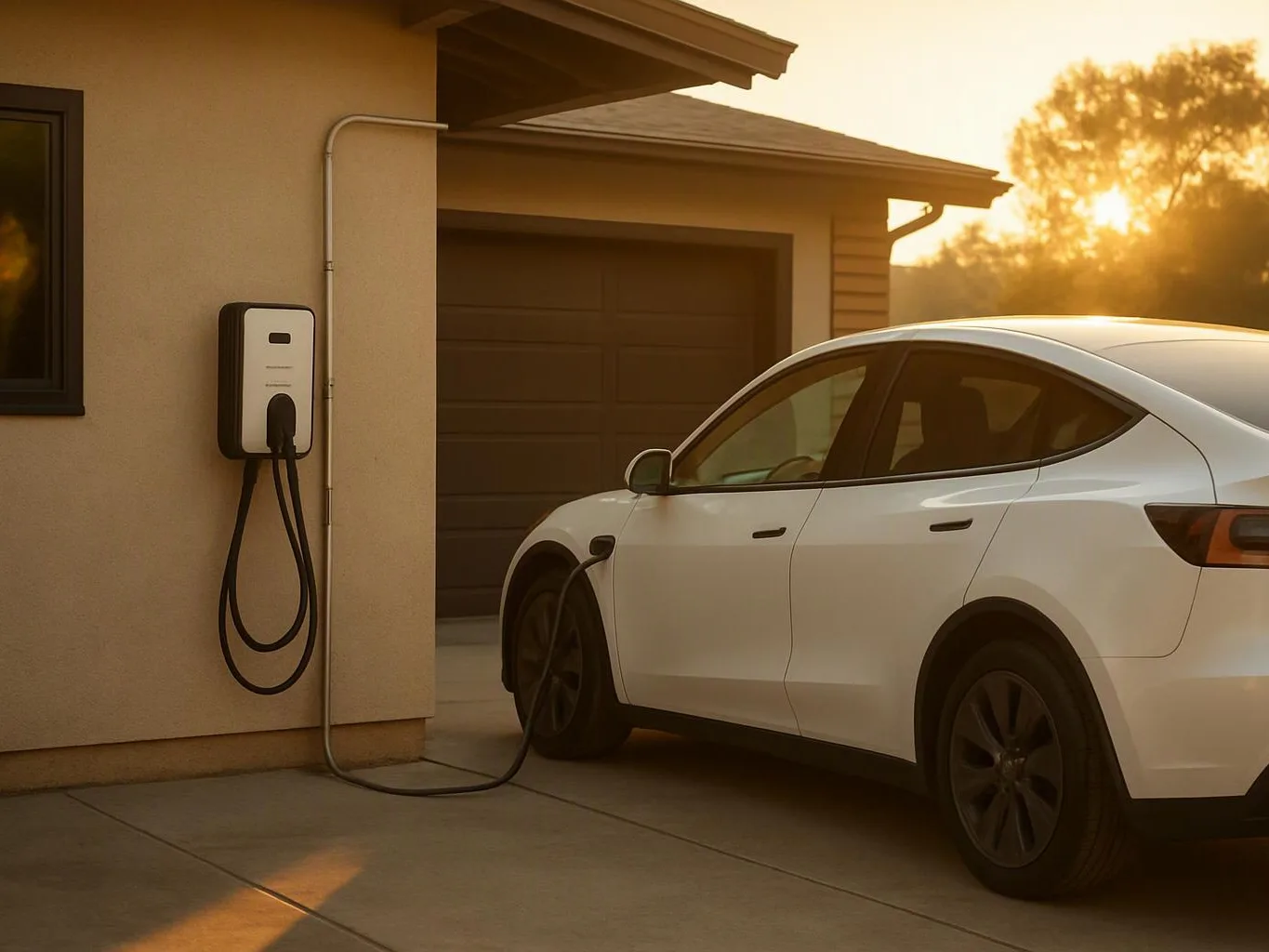
A white electric car charges beside a house at sunset, with a wall-mounted charger and garage visible

Service Overview

Bidirectional EV backup-power installation is an electrical service that lets an EV send stored power back to a property.

  • This work differs from EV charging installation because it tests power flow from the vehicle to the building.
  • Center Electric Service provides this work for homes and businesses in Cherry Valley.

What EV Backup-Power Installation Includes

Center Electric Service provides comprehensive Bidirectional EV backup-power installation in Cherry Valley. Here's what you get:

  • We inspect the EV connection, panel, and backup power path.
  • We check battery communication between the vehicle and control equipment.
  • We perform transfer testing to check the change between normal and backup power.
  • We perform load testing with the connected electrical loads.
  • We perform isolation testing before backup power is used.
  • We explain the test results and the next work needed.
Process

How We Test EV Backup Power

1

Inspect the EV and panel

We inspect the EV connection, electrical panel, wiring path, and backup controls. This shows where the test begins.

2

Check battery communication

We check the communication link between the EV battery and the control equipment. Failed signals can stop the backup sequence.

3

Run transfer testing

We test the move from normal power to backup power and back. The controls must follow the planned sequence.

4

Run load testing

We check connected circuits while the EV supplies backup power. The test shows how the selected loads respond.

5

Complete isolation testing

We test separation between the normal power path and the backup path. We then explain the results and needed corrections.

How We Approach EV Backup-Power Testing

Test the power path

The first check follows power from the EV system toward the panel. We look at communication, transfer control, and the intended load path before deeper testing begins.

Check each test result

Transfer testing, load testing, and isolation testing answer different safety questions. A passing result in one area does not replace the other checks.

Know when this is not the right job

A basic EV charger repair is a different service. We focus this work on systems that must send stored EV power back to a property.

Clear pricing discussion

Every engagement in Cherry Valley begins with a clear assessment of your goals and requirements.

What Tested EV Backup Power Changes

Testing shows whether the EV can send power to the property as planned.

Load testing helps identify circuits that need review before backup use.

Isolation testing checks that normal and backup power paths stay separated.

Clear test results help you decide whether to repair, adjust, or continue the installation.

The process gives homes and businesses a safer way to review backup power before an outage.

EV Charging and EV Backup-Power Work

These services differ by the direction of power flow and the tests each job requires.

Work typePower directionMain check
EV charging installationPower moves from the property to the EV.Charging circuit and connection checks.
Bidirectional EV backup-power installationPower can move from the EV toward the property.Transfer, load, communication, and isolation testing.

The Center Electric Service Standard

  • Urgent Assistance
  • Day And Night
  • Issue Assessment
  • Safe Repairs

Questions About EV Backup-Power Installation Testing

How is bidirectional EV backup-power installation tested?

Battery communication is tested first, followed by transfer, load, and isolation checks. We confirm that the EV and controls exchange signals, then test the power change and connected circuits. The final isolation check confirms that normal and backup paths stay separate. Failed results guide the repair or adjustment needed before use.

What does the crew look at first during EV backup-power installation?

The electrical panel and EV control path come first. We inspect the wiring, transfer controls, and connection points before sending backup power through the property. This first review helps us find damaged parts, weak connections, or a panel issue that could affect later testing.

Which test checks the connected circuits?

Load testing checks the connected circuits during backup power. We watch how selected loads respond and note any drop, trip, or control fault. The result helps decide which circuits belong on the backup path and which need a separate electrical plan.

When should this backup-power work be scheduled?

The work should be scheduled before you rely on an EV for building backup power. The system needs a planned review of the panel, transfer controls, communication link, and connected loads. Scheduling the testing before an outage gives you time to correct failed results.

Why can a charging system pass but backup power fail?

Charging and backup power use different power paths. A charging system sends power to the EV, while backup operation sends power toward the property. Backup testing adds transfer, load, communication, and isolation checks that charging alone does not prove.

What changes the quote for this electrical installation?

The panel, wiring path, transfer controls, connected loads, and failed test results change the quote. Existing electrical repairs can also affect the work. We review the site and explain the needed scope before providing a free estimate.
Contact

Request a Bidirectional EV Backup-Power Installation Estimate in Cherry Valley

Ask Center Electric Service for a quote on the testing and electrical work your system needs. Urgent requests get priority scheduling.

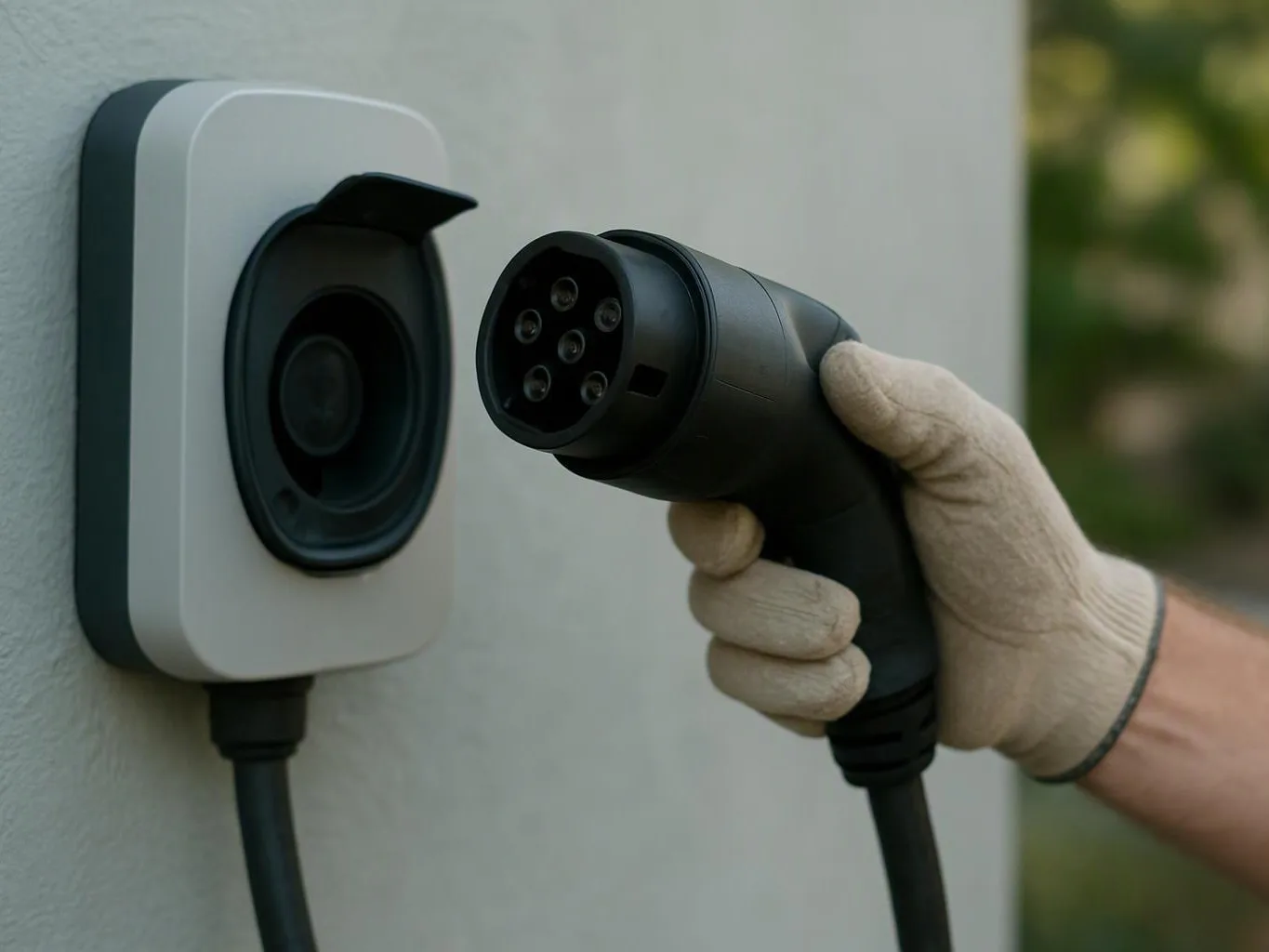
A gloved hand plugs a black charging connector into a wall-mounted electric car charging port outdoors

Bidirectional EV backup-power installation in Other Areas

(951) 577-3540