Skip to content

Electrical Troubleshooting in Eastvale, CA

When breaker replacement needs more than adjustment, the scope changes in Eastvale. We test the circuit and check nearby parts for safe repair.

Licensed & InsuredFree EstimatesWarranty AvailableSame-Day Service

Quick Summary: electrical troubleshooting in Eastvale, CA

Electrical Troubleshooting in Eastvale is provided by Center Electric Service for homes and businesses. The work covers circuit testing, panel checks, wiring faults, outlets, switches, and urgent electrical problems across Riverside and nearby communities, with free estimates available.

  • What we do: Center Electric Service provides Electrical Troubleshooting for homes and businesses in Eastvale, CA.
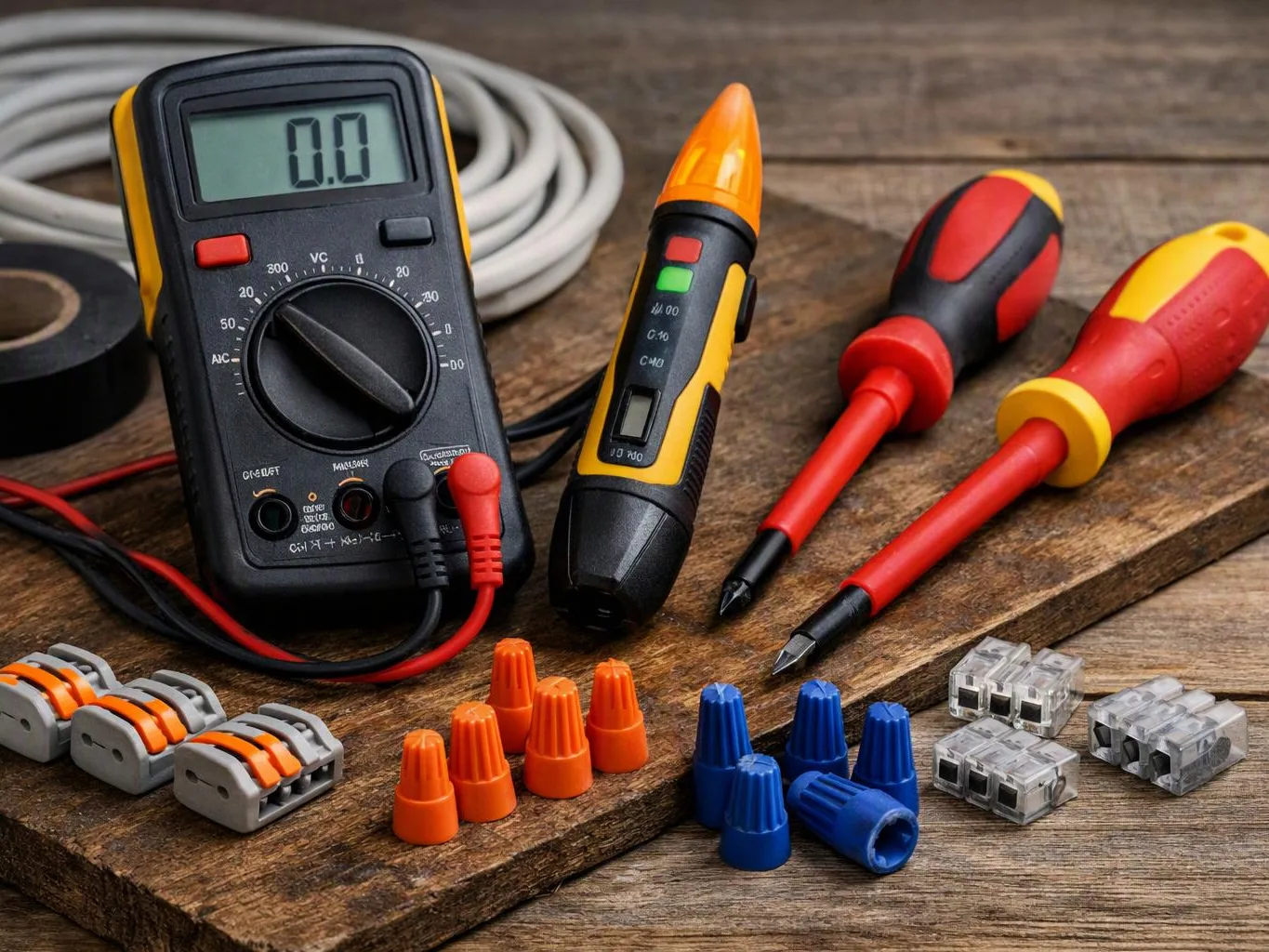
  • What is included: Circuit tracing, panel checks, breaker testing, outlet repair, switch replacement, wire splicing, and terminal tightening.
  • What you get: The customer receives a tested circuit, a clear repair scope, and safer working electrical parts.

Why does a breaker keep tripping after it is reset?

A breaker may trip because of a damaged wire, loose terminal, overloaded circuit, or faulty device. Testing helps locate the fault before more parts are changed. Turn off the affected circuit if you smell burning, hear buzzing, or see sparks. We can inspect the panel and trace the circuit to find the unsafe part.
Electrical Troubleshooting for breaker and circuit faults in Eastvale, CA

Electrical troubleshooting helps when one circuit acts up or several devices lose power. The work fits homeowners, landlords, shops, and offices that need the fault found before repair work is chosen.

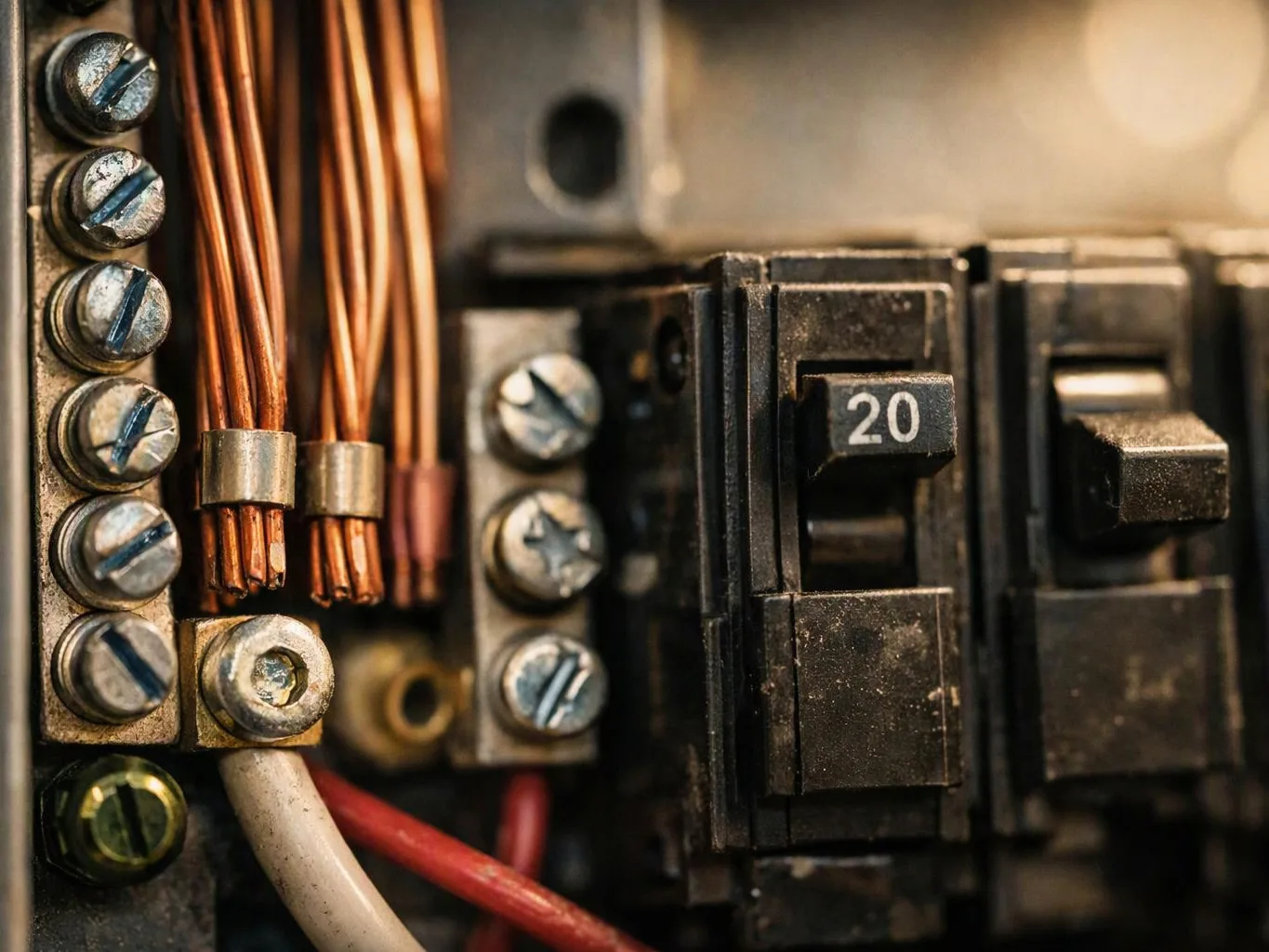
The main decision is whether the part needs repair, adjustment, or replacement. We test the circuit, inspect the panel, and trace power through switches, outlets, and wiring. A breaker that trips again after reset needs more testing, not repeated resets.

A burning smell, buzzing panel, or sparking outlet needs urgent attention. Turn off the affected circuit if it is safe to do so, then request an assessment. This page focuses on finding the parts that may need work after testing.

  • Note which room or circuit loses power.
  • Watch for flickering lights, warm plates, buzzing, or burning smells.
  • Keep the affected area clear until the fault is checked.
  • Share any recent repair, remodel, or new appliance detail.
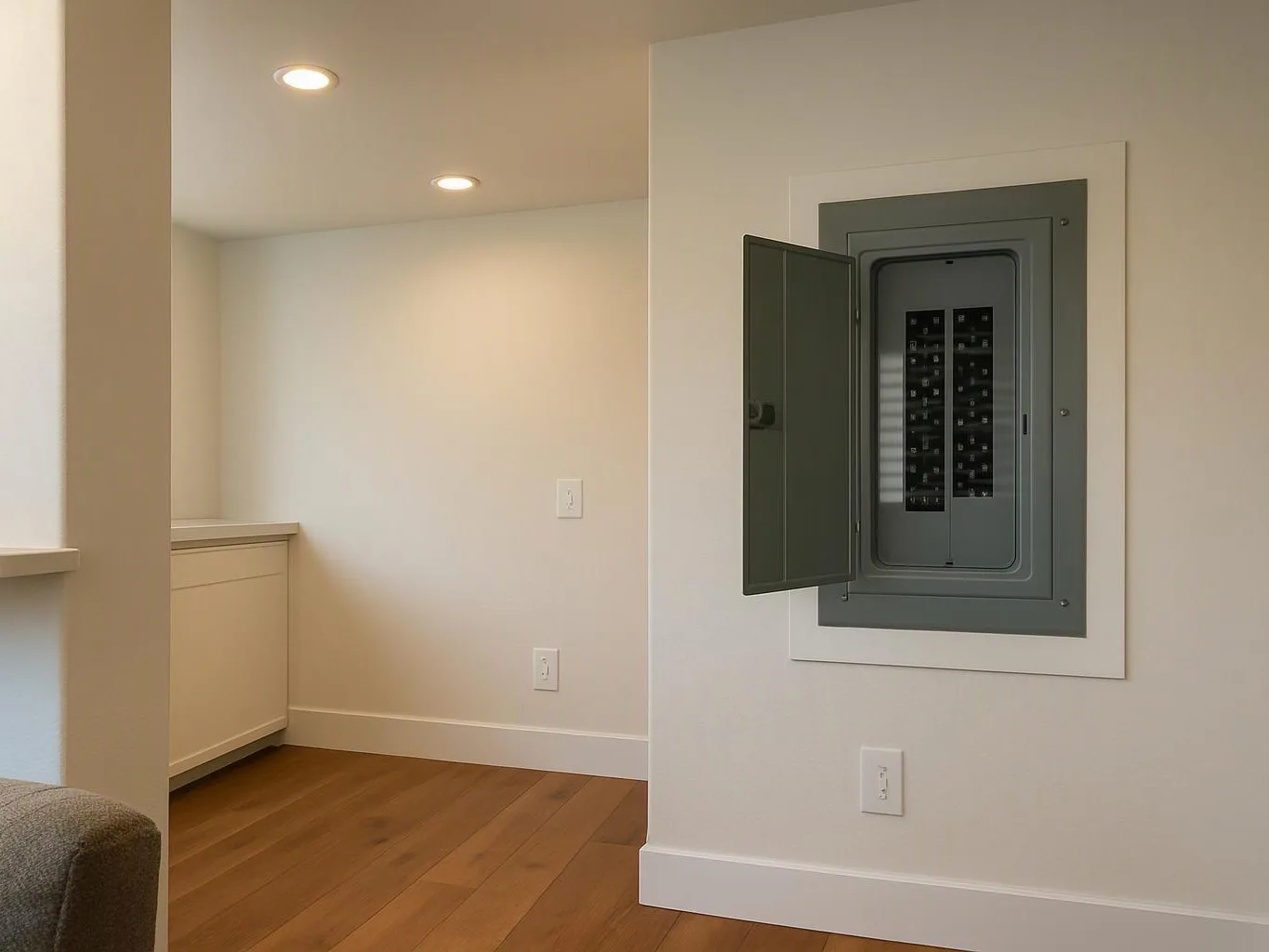
An open electrical breaker panel hangs on a white wall in a bright empty room with wood floors

Service Overview

Electrical Troubleshooting is a service that tests electrical parts to find the source of a fault.

  • It finds the cause of a problem, while a planned installation adds new wiring or devices.
  • Center Electric Service provides this work for homes and businesses in Eastvale.

What electrical troubleshooting includes for this job

Center Electric Service provides comprehensive Electrical Troubleshooting in Eastvale. Here's what you get:

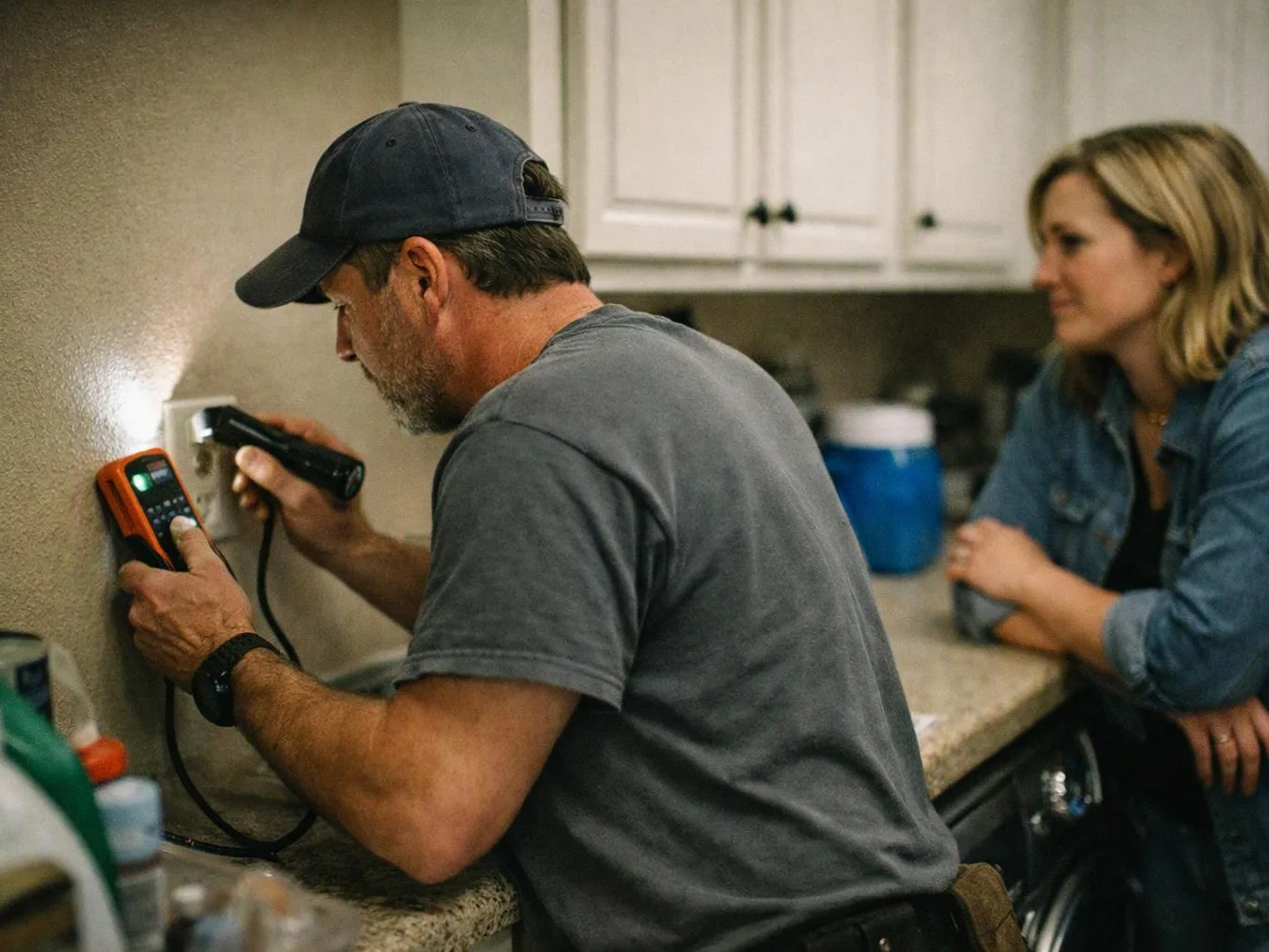
  • We test the affected circuit and trace where power stops.
  • We inspect the panel, breakers, terminals, and visible wiring.
  • We check outlets and switches for loose, worn, or damaged parts.
  • We test connected devices when they could be causing the fault.
  • We tighten loose terminals when the part remains safe to use.
  • We explain the repair scope before added work begins.

What this testing helps you decide

Testing helps separate a bad device from a wiring fault.

Circuit tracing can show where power drops or stops.

A panel check helps identify unsafe heat, loose terminals, or damaged parts.

You receive practical repair guidance before work moves beyond the tested fault.

How we approach circuit fault decisions

A part-by-part fault check

We trace the circuit from the panel to the affected device. The decision rests on test results, visible damage, and safe connections. If the fault involves utility equipment or a wider outage, electrical troubleshooting is the wrong first job and the utility company may need to check its side.

Repair scope before added work

We explain whether the next step involves a switch, outlet, wire splice, terminal, or panel part. You can ask questions before the work scope changes.

Urgent warning signs get attention

Burning smells, buzzing panels, and sparking outlets need care. We focus on isolation and testing before normal use resumes.

Process

How we test and repair a circuit fault

1

Record the electrical symptoms

We ask which lights, outlets, or devices fail. We note trips, heat, sound, smell, and any recent work.

2

Isolate the affected circuit

We identify the panel circuit and limit use of the unsafe area. This helps protect people and equipment during testing.

3

Trace power through the circuit

We test the panel, terminals, wiring, switches, and outlets. Circuit tracing shows where power stops or changes.

4

Check the parts linked to the fault

We inspect connected devices and visible wire damage. A loose terminal, bad switch, outlet, or damaged wire may change the repair scope.

5

Explain the repair and test again

We explain the needed work before proceeding. After the repair, we test the circuit and review the next safe step.

Repair choices after circuit testing

The repair path depends on the part that fails testing and the condition of the circuit.

Test findingLikely work areaWhat decides the scope
Failed deviceOutlet or switchPart condition and wire connections
Loose connectionTerminal or wire spliceWire condition and safe access
Panel faultBreaker or panel connectionTest results and panel condition

The Center Electric Service Standard

  • Urgent Assistance
  • Day And Night
  • Issue Assessment
  • Safe Repairs

Questions about circuit faults and testing

Which components may need repair after electrical testing?

Breaker replacement may be needed when testing finds a failed breaker or unsafe panel connection. Other repairs may involve a switch, outlet, wire splice, or loose terminal. We match the repair to the test result. A damaged wire can require more access than a worn device, so we explain the scope before work starts.

How does a troubleshooting visit move from the first call to the last step?

The visit moves from symptom review to circuit testing, fault tracing, repair planning, and final testing. We first identify the affected area. Then we check the panel, wiring, outlets, switches, and connected devices as needed. You receive the repair scope before added work begins, followed by a check of the repaired circuit.

What part of the property decides the scope of this work?

The affected circuit decides much of the work scope. The panel, wire path, outlet, switch, and connected load each guide the testing plan. Access also matters when wiring runs behind finished walls or ceilings. We explain what can be checked safely and what added access or repair work may be needed.

When does a breaker problem need urgent electrical help?

A breaker problem needs urgent help when it comes with smoke, burning odor, buzzing, heat, or sparks. Turn off the affected circuit if you can do so safely. Do not touch damaged parts. We can inspect the panel and circuit to locate the hazard before normal use continues.

Why do lights flicker after an outlet or switch repair?

Flickering after a repair can point to a loose terminal, damaged wire, weak switch, or circuit fault. We test the repaired device and the nearby circuit. The check should include the panel connection when the symptom affects more than one device. Stop using the area if heat or a burning smell appears.

Can testing show whether the utility caused the outage?

Testing can show whether power reaches the property panel and affected circuit. A wider outage outside the property may need the utility company to inspect its equipment. We check the accessible electrical system and explain what the test shows. Do not open utility equipment or attempt work on the service side.
Contact

Request an Estimate for Electrical Troubleshooting in Eastvale

Are you dealing with a breaker, outlet, switch, or wiring fault? Request an estimate from Center Electric Service, and urgent requests get priority scheduling.

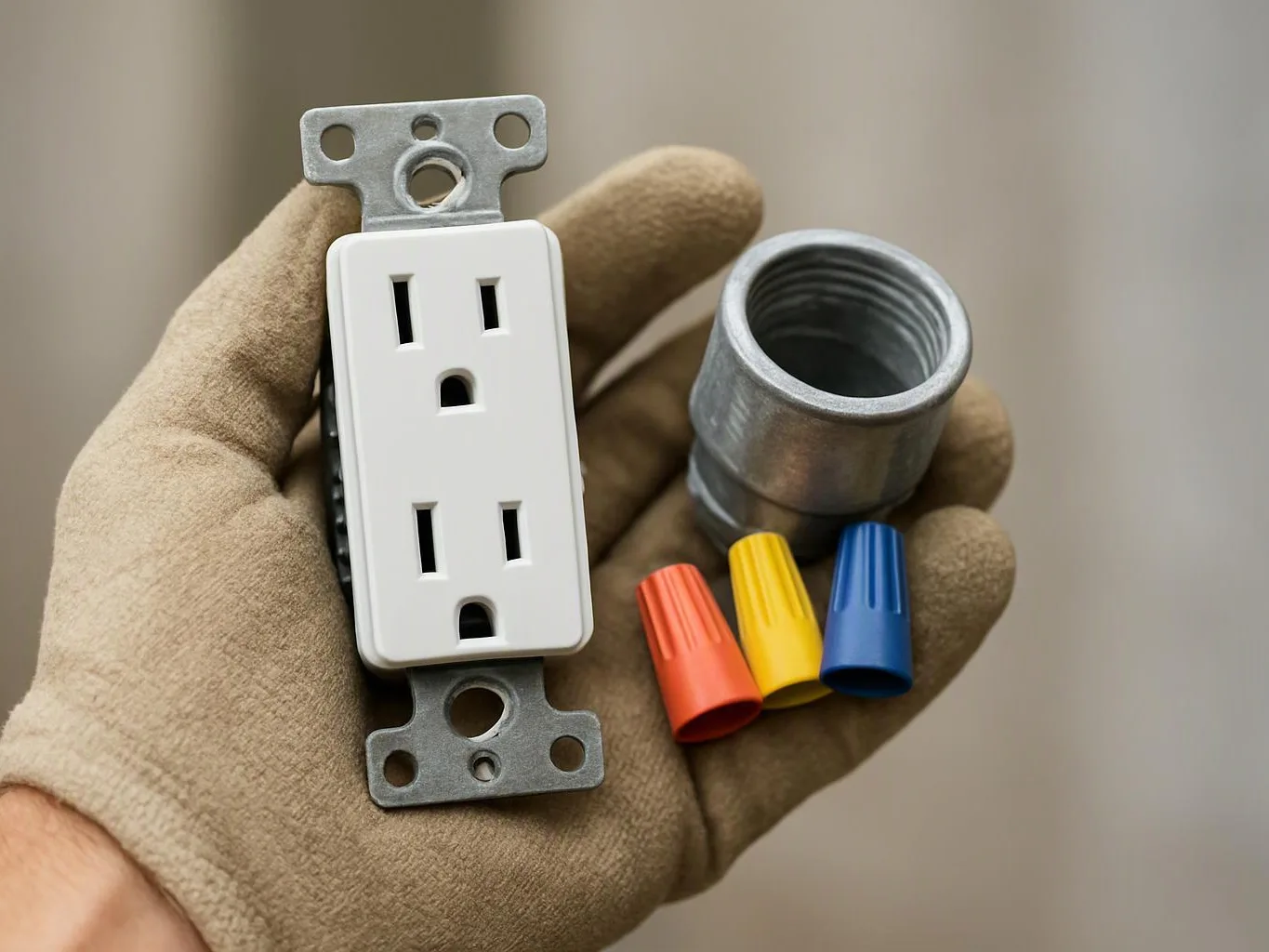
A gloved hand holds a white electrical outlet, a metal connector, and three colored wire nuts against a plain background

Electrical Troubleshooting in Other Areas

(951) 577-3540