What electrical emergencies require immediate service?
Power outages require immediate service when they include burning odors, sparks, exposed wiring, shocks, or repeated breaker trips. Center Electric Service checks the affected circuit and panel. Keep people away from the hazard and stop using the affected outlet or circuit. We then explain whether the issue needs repair, isolation, or planned follow-up.
Which part of the property decides the repair scope?
The affected circuit usually decides the repair scope. We check the outlet, switch, fixture, breaker, panel, and wire path linked to the fault. Access also matters when wiring runs behind walls or above a ceiling. Customers should identify every affected room and avoid using the circuit until we check it.
Which material changes how long the repair takes?
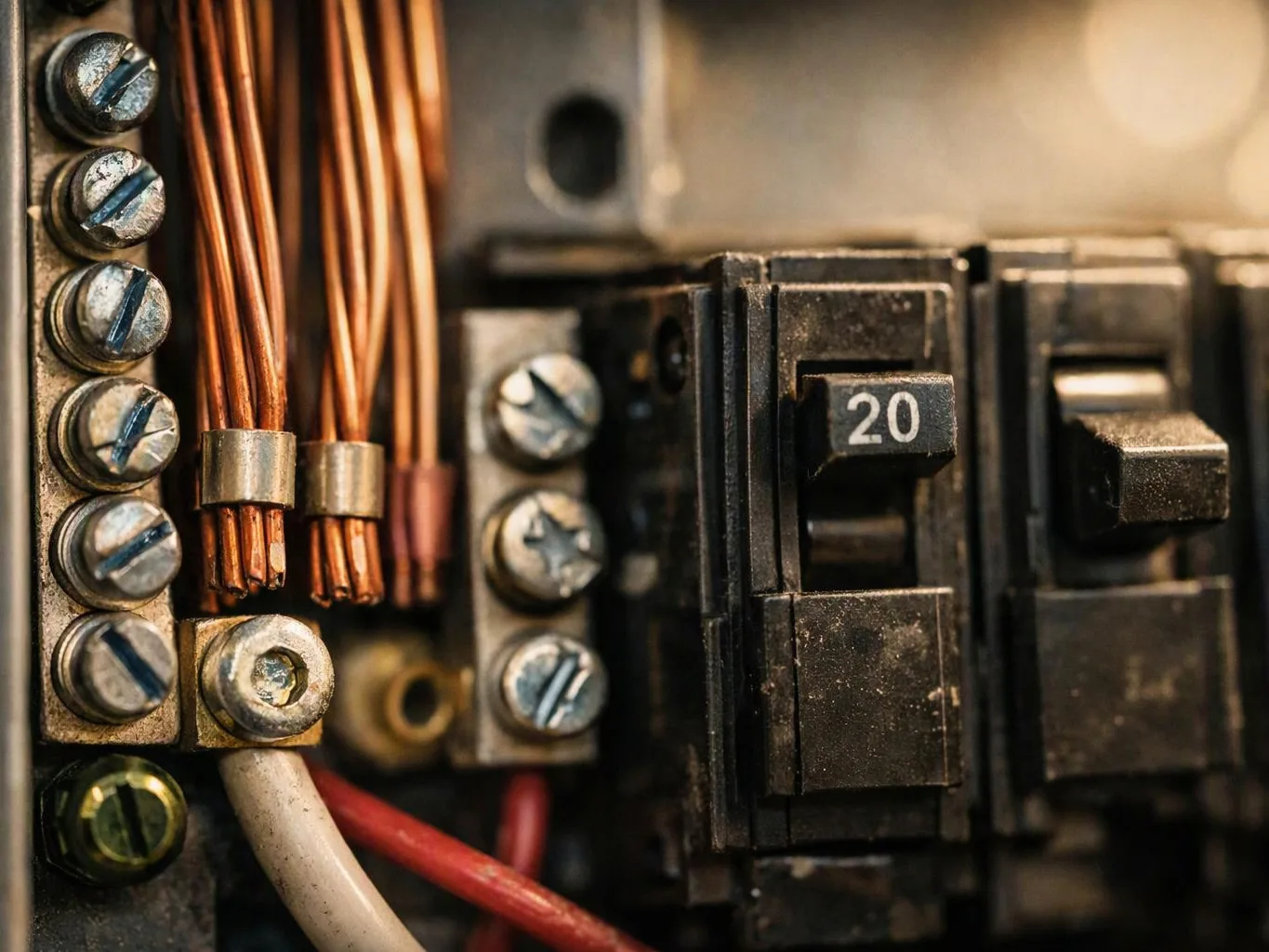
The wiring material and its condition can change the repair work. Aluminum wiring, damaged copper, old insulation, and loose terminals need different checks. We inspect the wire ends, connections, and circuit load before choosing a repair path. Customers should share any known wiring detail before the visit.
How does an emergency electrical visit move from the first call to the last step?
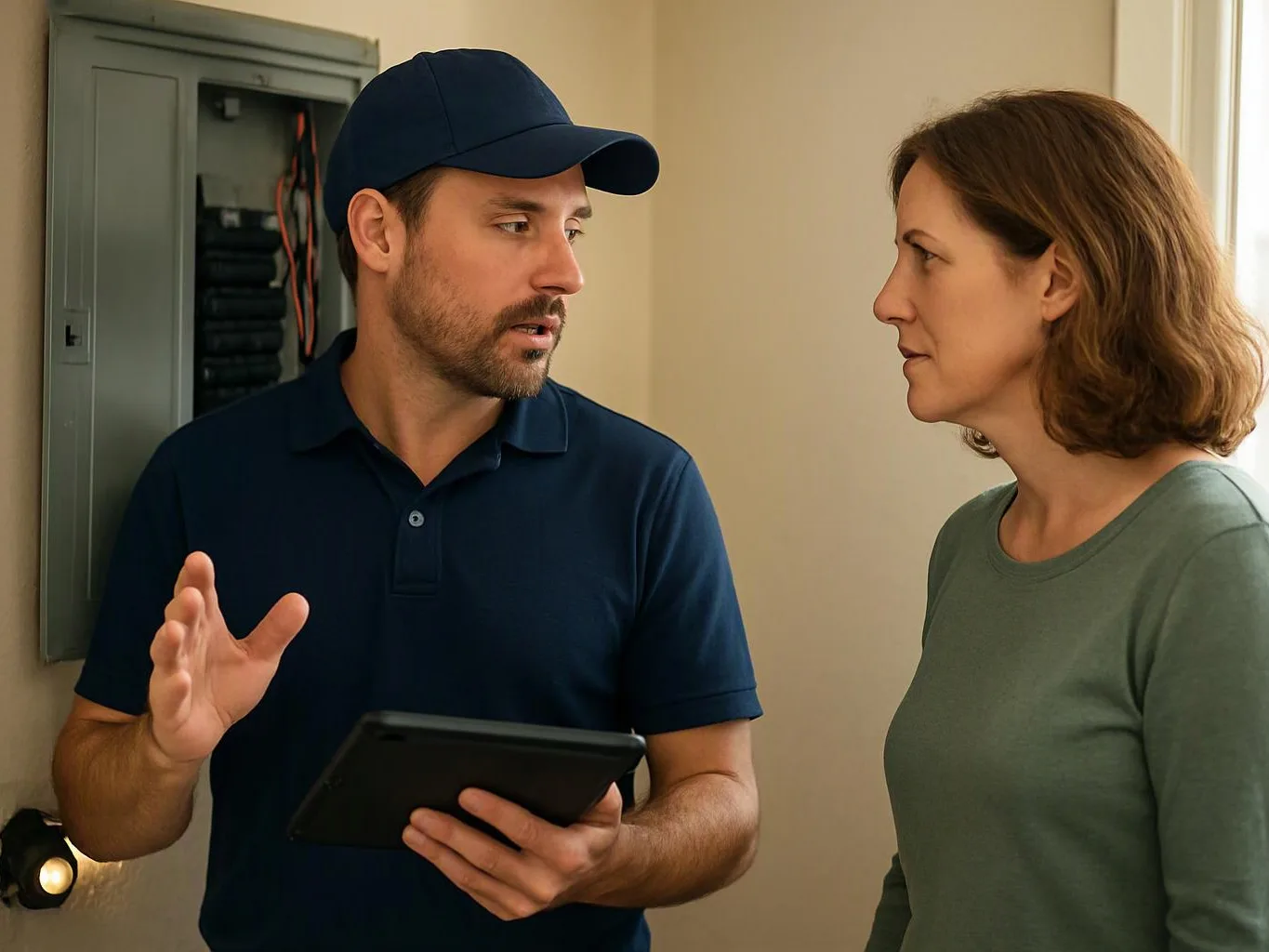
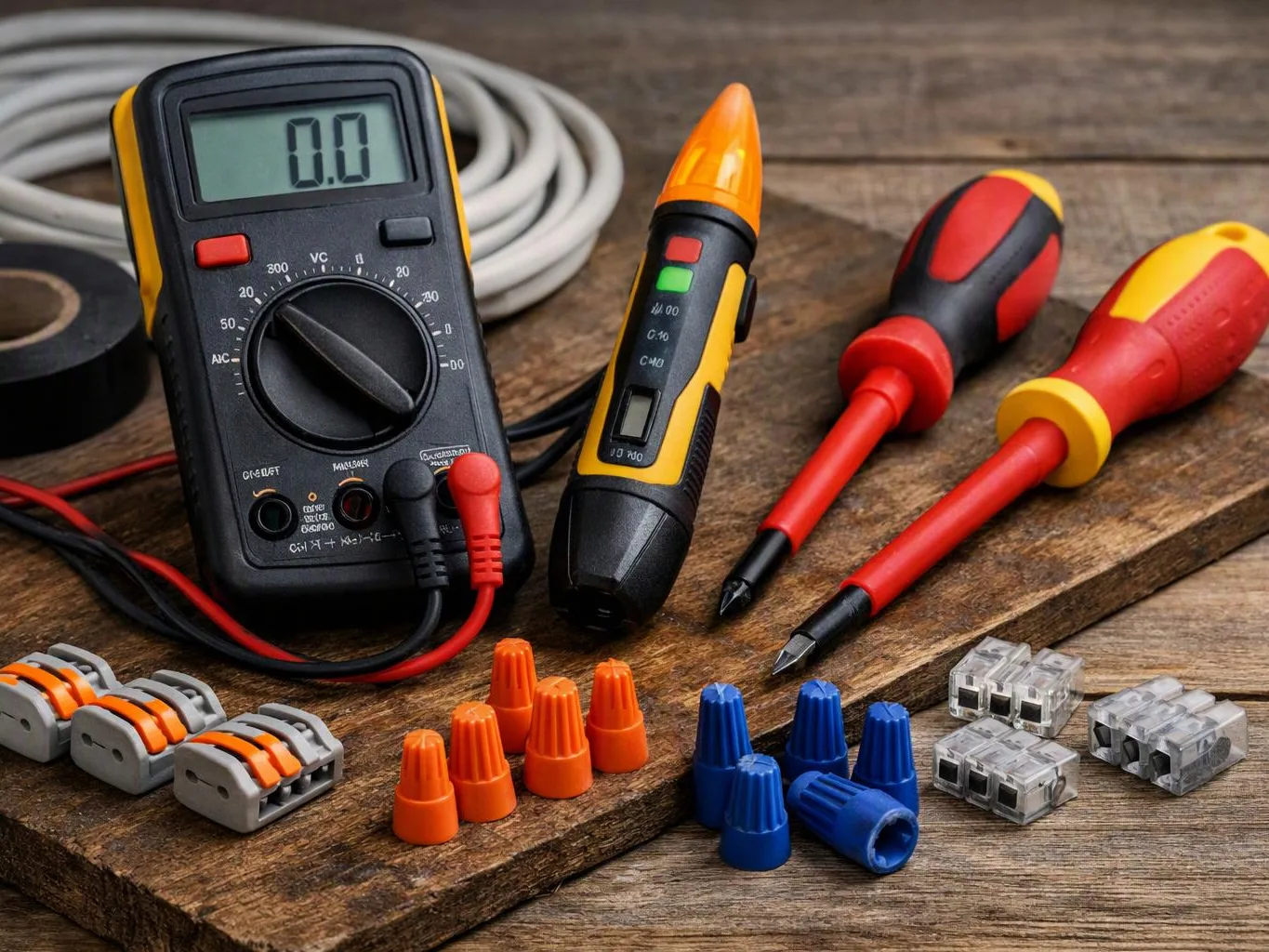
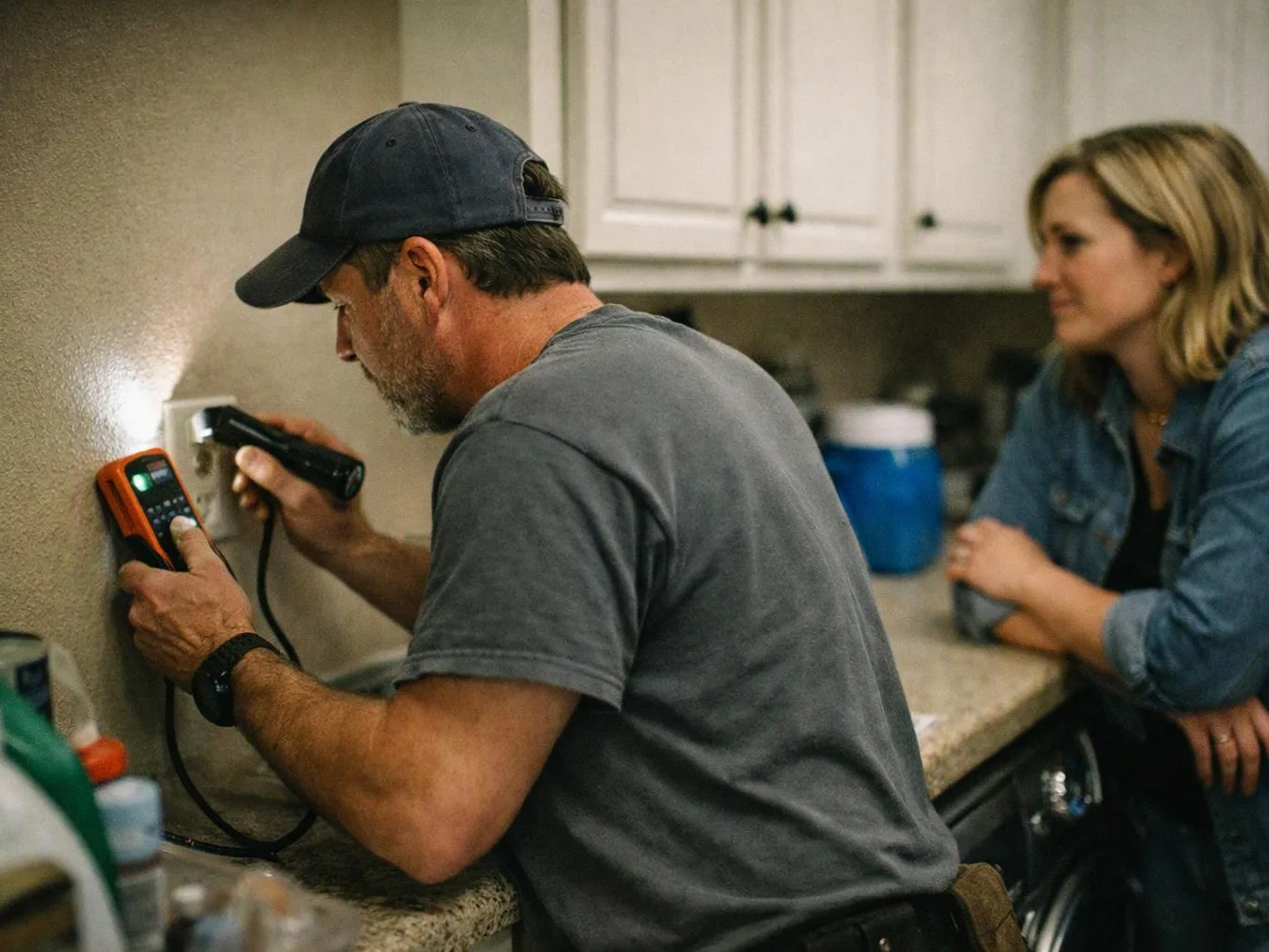
An emergency electrical visit moves from symptom review to inspection, fault isolation, repair planning, and testing. We record the affected area first. Then we trace the circuit and check the panel. After the repair, we test the circuit and explain any work that belongs in a later appointment.
When should I stop using an electrical outlet?
Stop using an outlet when it sparks, feels warm, smells burnt, buzzes, or shows damage. Turn off its breaker only when you can do so safely. Keep away from exposed wires and do not remove the outlet cover. Our team can inspect the receptacle, wiring, and circuit before use resumes.
Why does a breaker keep tripping after I reset it?
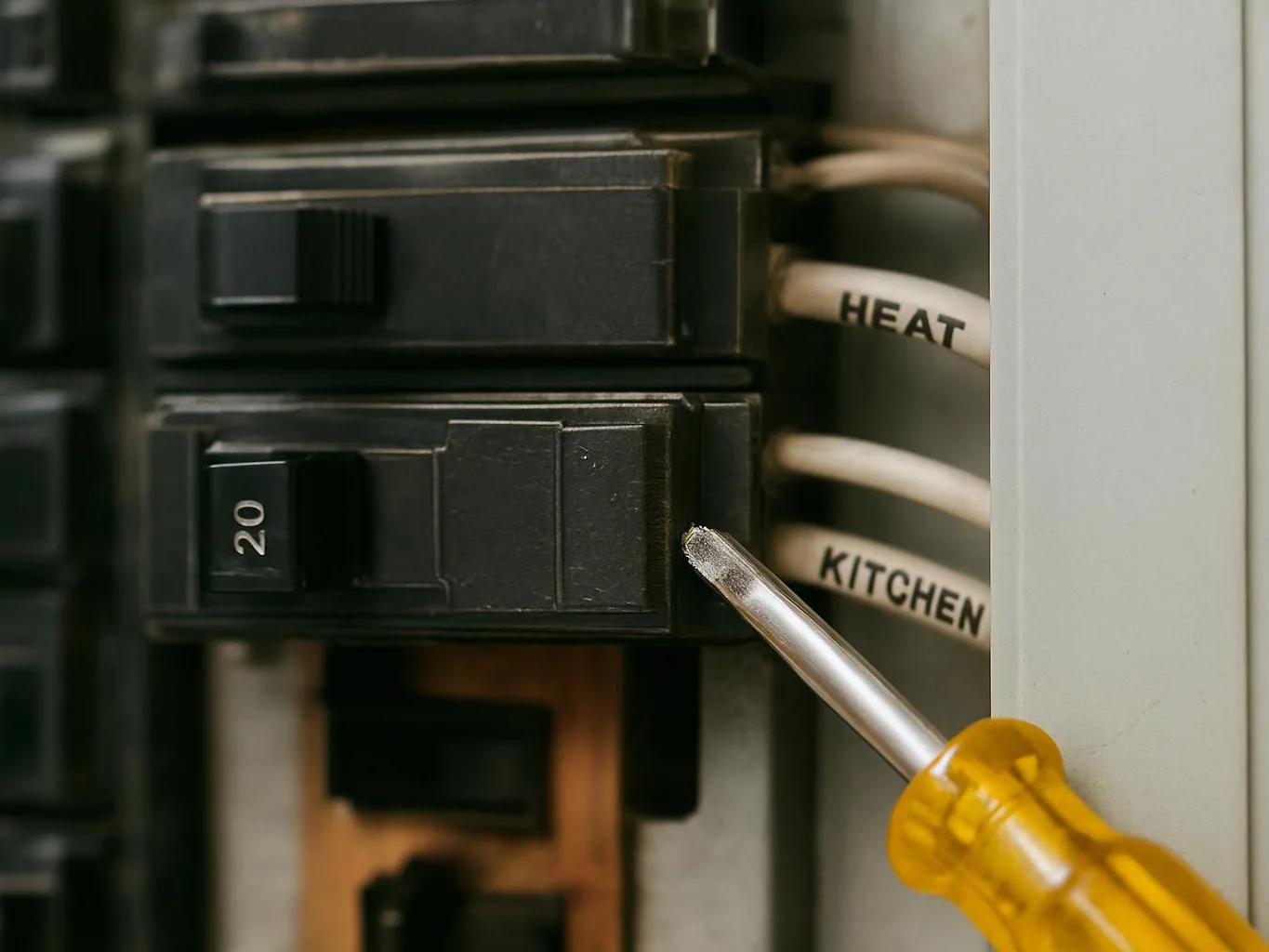
A breaker that keeps tripping points to an active fault, overload, damaged device, or wiring problem. Repeated resets can leave the cause unresolved. We inspect the circuit, connected loads, breaker, and panel connection. Unplug devices only when safe, and stop resetting the breaker if heat, smoke, or sparks appear.
What should I share before urgent electrical work starts?
Photos, affected rooms, breaker labels, recent changes, and visible damage help us plan the inspection. Do not take photos near sparks, smoke, exposed wires, or other hazards. Customers should also note whether power works in other areas. This information helps us focus on the right circuit and access point.