
What Is Electrical Load?
Electrical load is the amount of power that connected devices and equipment draw from an electrical system at a given time. The load changes as equipment starts, stops, or changes output. Electricians assess load to determine whether circuits, panels, feeders, and service equipment can support connected demands safely and reliably.
Quick Facts About Electrical Load
Category
Electrical system measurement
Used for
Planning circuits and equipment
Common confusion
Power demand versus energy consumption
Also called
Load, Power demand
Often discussed with
EV charger load-management installation
Key Takeaways About Electrical Load
- Load changes when equipment operates or shuts off.
- A panel assessment considers existing and planned equipment.
- Load is not the same as total energy used over time.
How Electrical Load Works
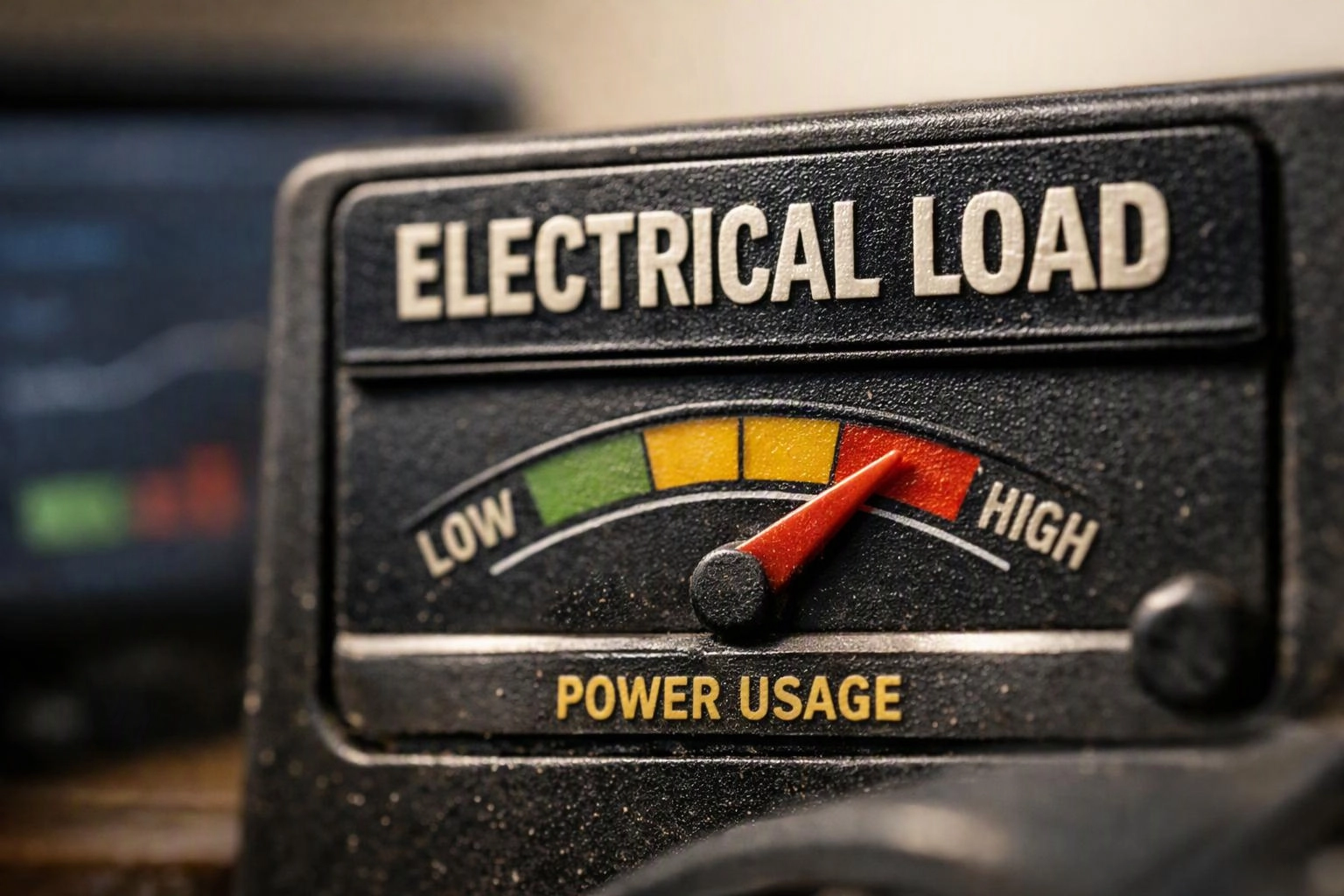
Electrical load describes the demand placed on a circuit, panel, feeder, or service by connected equipment. A device creates load when it draws current during operation. The demand may change when a motor starts, a heating element cycles, or an electronic control changes output.
Related glossary terms: Load Calculation, Load Shedding, Electrical Service.
Electricians review both existing equipment and planned additions to understand how an electrical system will operate as a whole. An EV charger can add a sustained demand to a home, while other equipment may operate at the same time. Load-management equipment monitors that demand and can adjust charging so the system stays within its available capacity. A load calculation provides a structured way to evaluate expected demand during design or installation.
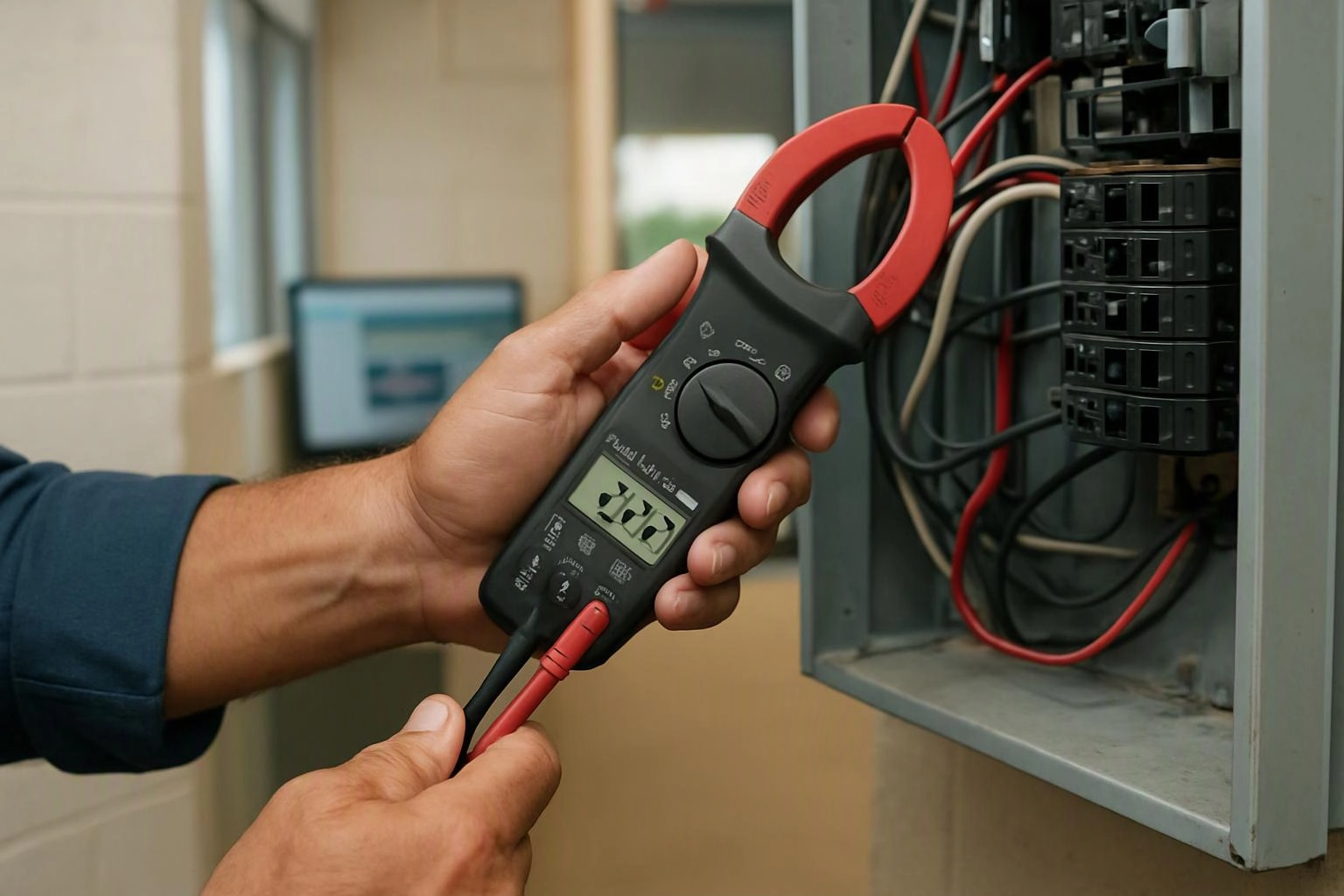
From the Center Electric Service team
When we plan an EV charger load-management installation, we review the existing service, panel, and connected equipment. We consider when major loads operate and verify that the control equipment responds to changing demand. This helps us match the installation approach to the electrical system.
Electrical Load in Practice: A Real-World Example
A Riverside homeowner wants an EV charger added to a panel that already serves heating, cooling, cooking, and laundry equipment. We review the combined electrical load and may plan load management so vehicle charging adjusts when other major equipment operates.
Related Services
Related Terms
Load Calculation
Load Calculation is an electrical engineering process that estimates the power demand of a property, circuit…
Load Shedding
Load Shedding is a power-management method that temporarily reduces or pauses selected electrical loads when total…
Electrical Service
Electrical Service is the conductors, equipment, and connection that deliver utility power to a building’s electrical…
Main Breaker
A Main Breaker is the primary overcurrent protection device in an electrical panel. The device controls…
Center Electric Service
Have Questions About Electrical Load?
Contact Center Electric Service for practical guidance on Electrical Load and related 24 hour electrician work in Riverside.