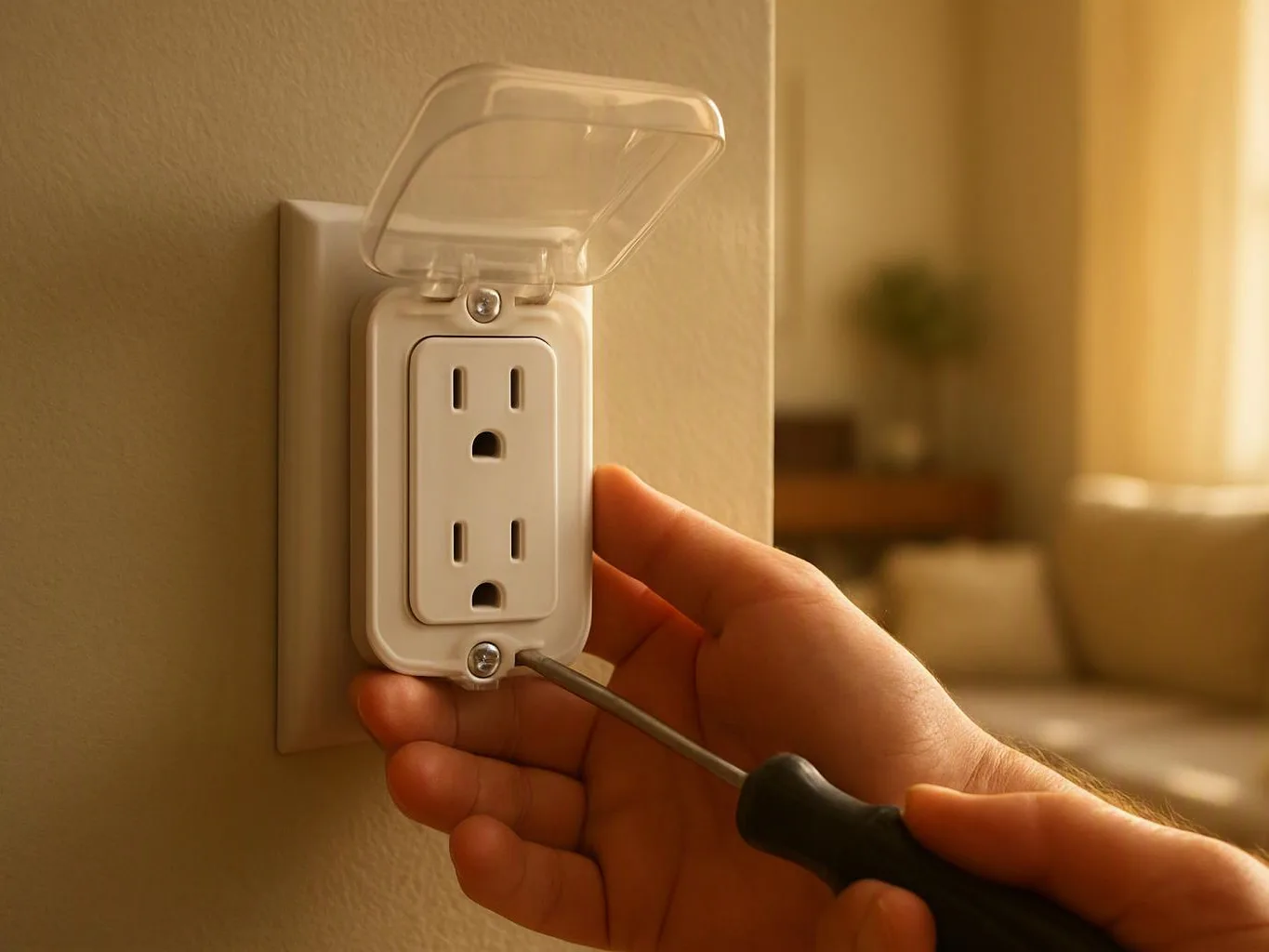
When Flickering Lights Signal Trouble
Flickering lights may signal trouble when they keep blinking or affect other lights. A loose bulb can cause a light to flicker, but a fault may also be to blame. We can trace the cause.
Lights flickering throughout the home may point to a wider electrical problem. We check the affected circuits and consider the utility supply.
Signs That Need Attention
Some signs mean blinking lights need prompt attention. We use the pattern and other warning signs to help trace the problem.
- Lights that flicker often or have an intermittent flicker that comes and goes
- Flickering in several rooms
- Lights that dim when an appliance starts
- Buzzing from a switch or light fixture
- Warm or discolored switches and outlets
- A burning smell or sparks
When Flickering Lights Are an Emergency
Flickering lights with smoke, a burning smell, or sparks can signal an emergency. Leave by a safe exit and call emergency services from outside. Don't touch the affected switch, outlet, or fixture.
Once it's safe, we can check the electrical fault and discuss the repair. Don't return until emergency services say it's safe.
Common Causes of Flickering Lights
Flickering lights can start at the bulb or elsewhere in the electrical system. We trace the cause before choosing a repair.
- Loose or failing bulb: A light bulb may not make steady contact, or it may be failing.
- Bulb and dimmer mismatch: A bulb may not work well with the dimmer switch.
- Loose connection: A fault in wiring or a connection can make a light flicker.
- Circuit or utility supply problem: A fault beyond the fixture can affect lights across the home.
Safe Checks You Can Make
Safe checks can help us trace flickering lights without exposing you to electrical parts. Note which lights flicker and when it happens. You can also check whether nearby homes are affected.
Contact your utility if there's a wider outage. Don't open switches, outlets, fixtures, or electrical panels. We'll check the parts that need hands-on work.
What Does Electrical Troubleshooting Check in Your Home's Flickering Light Circuit?
Electrical troubleshooting checks the flickering light circuit to trace the fault. We check the fixture and connections, then consider the supply.
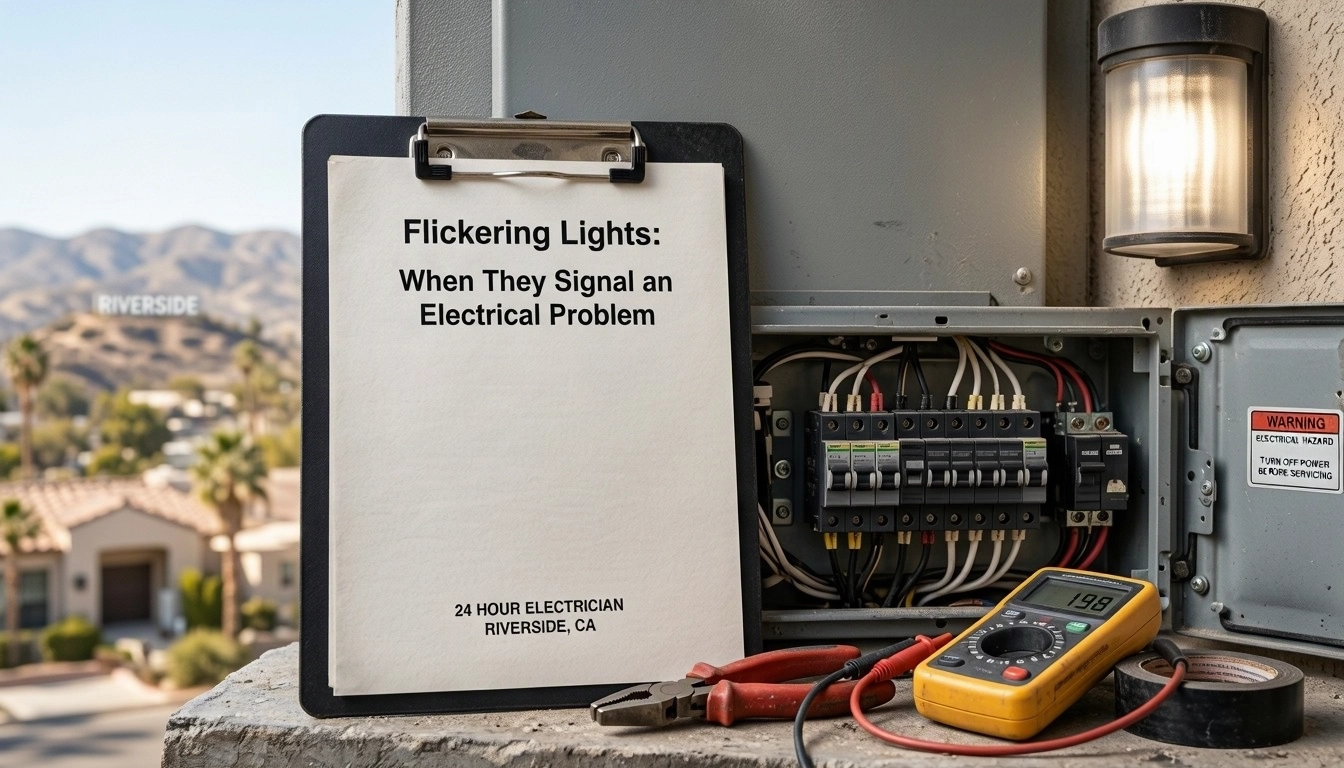
We also check the switch and circuit connections for signs of trouble. Our Electrical Troubleshooting service helps us find where the fault starts.
What Does Lighting Repair Address in Your Home's Flickering Fixture?
Lighting repair addresses a fault in the flickering fixture or its controls. We check the cause before choosing a repair.
We check bulb and dimmer compatibility and the fixture connection. We then discuss repair or replacement based on what we find. After the repair, we test the light to check its operation.
Ways to Help Prevent Flickering Lights
Good bulb and fixture care can help prevent some flickering. If flicker returns, we'll check for a fault that needs repair.
- Use bulbs suited to the fixture.
- Choose bulbs that work with the dimmer switch.
- Keep fixtures clean as the maker directs.
- Report recurring flicker early.
What a Repair Estimate Covers
A repair estimate covers the work needed to address the flickering light. The fault's location and the parts needing repair or replacement affect the scope. Access to the affected area can also affect the work.
Ask Center Electric Service for an estimate for your lighting repair. Free Estimates Available
Get a Free EstimateWhat Are the Key Specifications to Know?
- Topic Focus
- Flickering Lights: When They Signal an Electrical Problem
- Related Core Service
- Electrical Troubleshooting
- Evaluation Method
- On-Site Inspection & Written Scope
- Compliance Standard
- Local Building Code & Manufacturer Specs
How Does the Evaluation & Execution Process Compare?
| Evaluation Stage | Technical & Quality Criteria | Timeline Checkpoint |
|---|---|---|
| Initial Diagnostic & Assessment | Identify root cause, site constraints & code requirements | Before any work begins |
| Written Scope & Option Comparison | Compare repair vs. replacement tiers & material grades | Prior to project approval |
| Code-Compliant Execution | Follow manufacturer specs & local permitting standards | During active service |
| Final Verification & Walkthrough | Verify installation alignment, performance & clean site handoff | Upon project completion |
Related Resources
Emergency Electrician vs Regular Electrician: When Can Electrical Repairs Wait?
Compared ToCircuit Breaker Repair vs Replacement: What Are the Options?
What It CostsEmergency Electrician Cost Factors: After-Hours Calls and Repairs
How It WorksWhat Happens During an Emergency Electrician Visit?