Electrical Troubleshooting Process: From Symptoms to Safe Repairs
Electrical troubleshooting works by documenting symptoms, checking for immediate hazards, testing the electrical system, isolating the fault, planning a safe repair and verifying the result; Center Electric Service handles this process with a safety-first approach.
Get a Free Estimate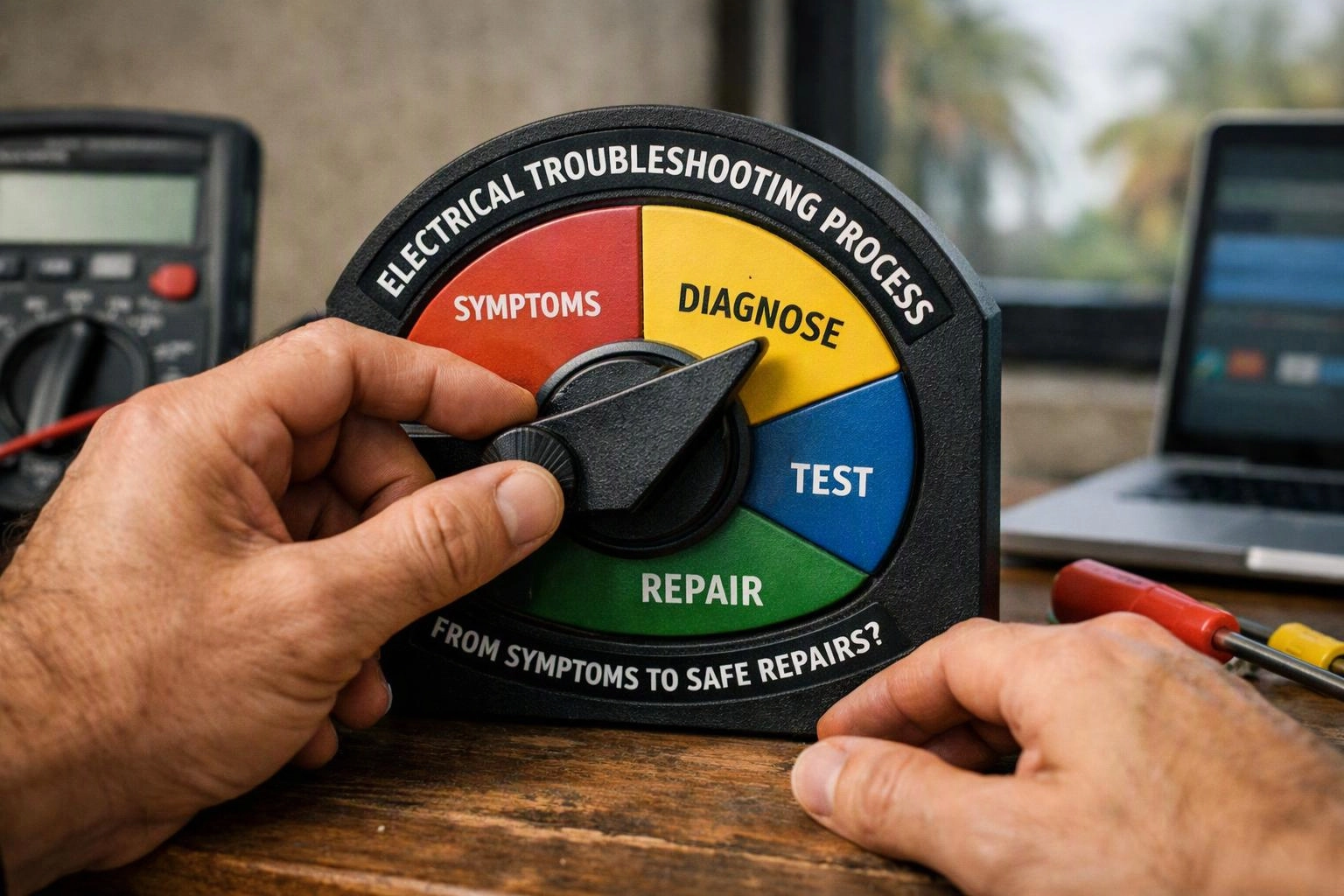
What Does Electrical Troubleshooting Involve?
Electrical troubleshooting is a diagnostic process that identifies the source of an electrical symptom before repair work begins. Center Electric Service uses the reported symptom, inspection findings and test results to guide the work.
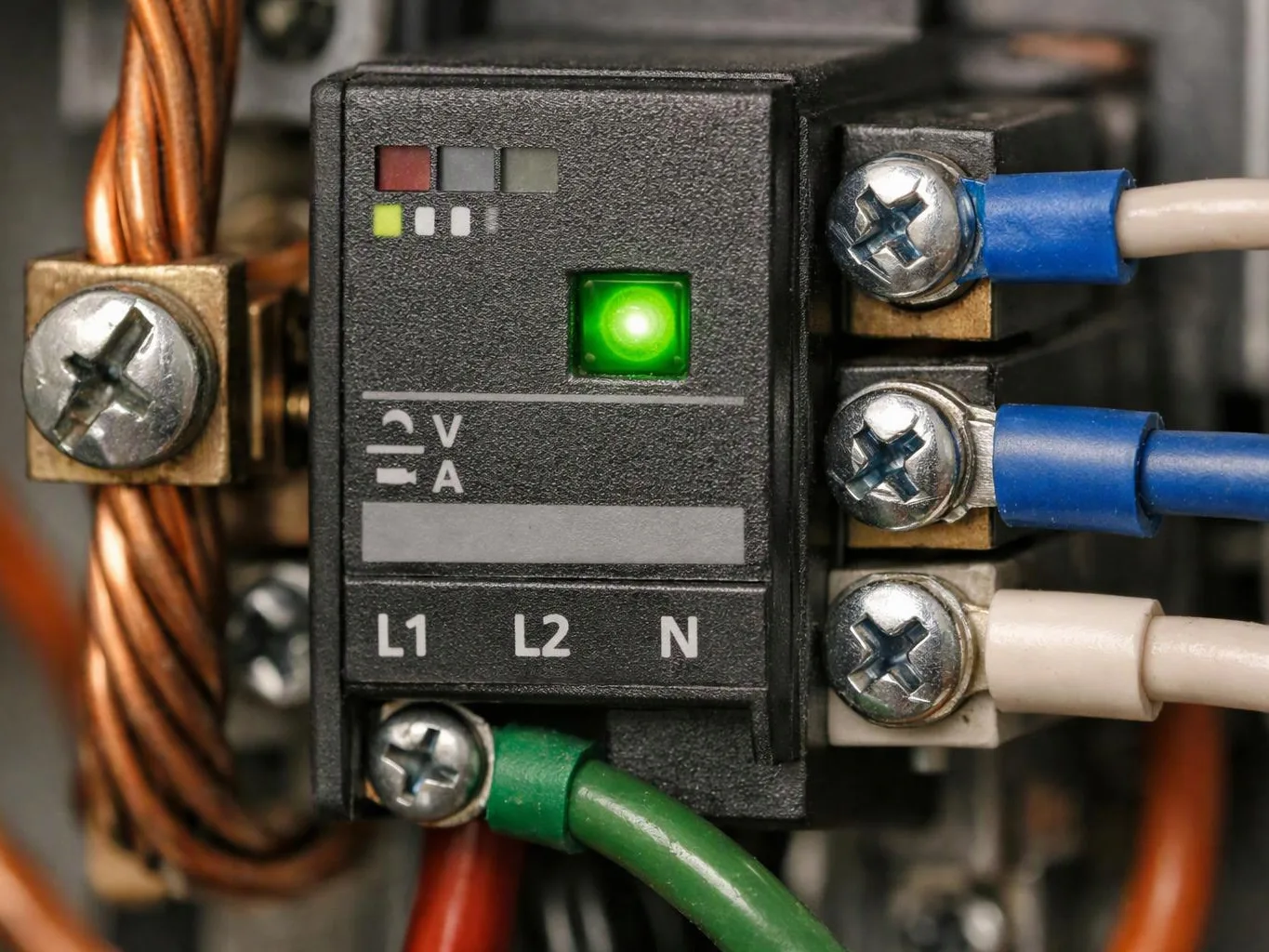
An electrical fault may involve an electrical circuit, circuit breaker, electrical panel, wiring, outlet or connected equipment. Our team checks the condition of each related part while keeping electrical safety in focus.
How We Move From an Electrical Symptom to a Diagnosis
Our electrical troubleshooting process starts with the reported symptom, then uses inspection and testing to isolate the fault before we recommend a repair. Each step helps us avoid guessing and keeps the repair scope clear.
What We Check Before Testing a Circuit
Our team checks the electrical system's condition, affected components and immediate hazards before performing diagnostic tests. This first review helps us choose a safe testing path.
The table shows the main areas we review and what each check can reveal.
| Area checked | What we look for |
|---|---|
| Electrical panel | Signs of heat, damage, loose parts or an operated breaker |
| Circuit breaker | Tripping, unusual condition or a possible circuit fault |
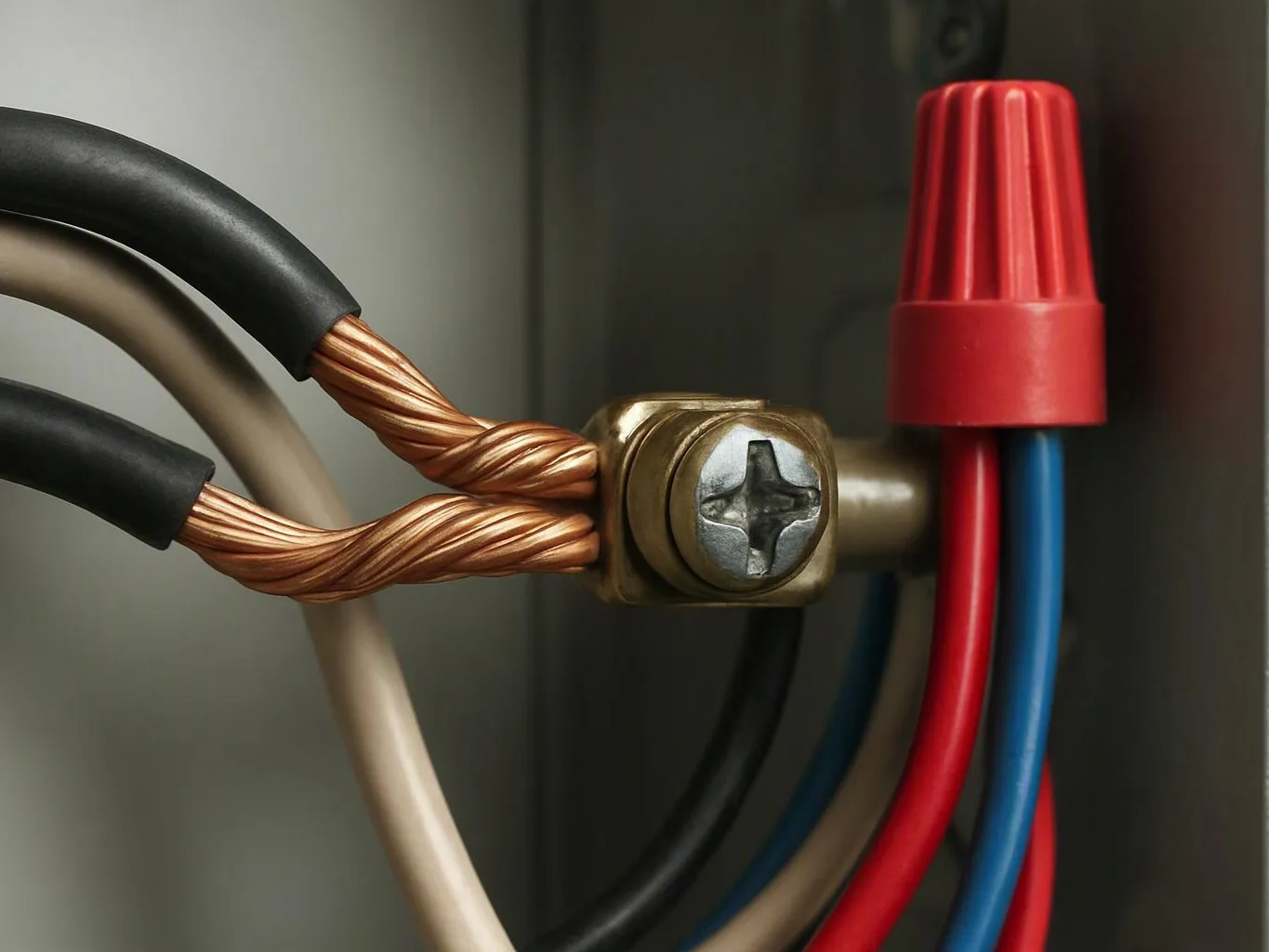
| Wiring | Damaged insulation, loose connections or signs of overheating |
| Outlets and switches | Heat, discoloration, damage, sparking or poor operation |
| Electrical equipment | Equipment that may be causing the symptom or placing stress on the circuit |
| Safety hazards | Smoke, burning odors, exposed conductors, water contact or other immediate risks |
How We Identify the Source of Common Electrical Symptoms
Electrical symptoms point to different possible fault areas, so our team connects each symptom with inspection findings and test results. A symptom alone does not identify the failed part.
Flickering lights may relate to a loose connection, lighting component or circuit problem. We inspect the affected light and trace the related circuit.
A tripping circuit breaker may point to an overload, short circuit or ground fault. We test the circuit and connected equipment before planning a repair.
A dead outlet may involve the outlet, an upstream connection or the circuit breaker. We check the outlet path and electrical panel to locate the interruption.
A burning odor, warm electrical panel or warm outlet can signal overheating. We treat these signs as electrical hazards and inspect the affected area before normal use continues.
Electrical noise and intermittent power may result from a loose connection, damaged wiring or equipment trouble. We use symptom history and controlled testing to isolate the source.
What Happens When a Circuit Breaker Is the Problem?
A circuit breaker problem requires checking why the breaker operated before we decide whether replacement or another circuit repair is appropriate. Center Electric Service tests the related circuit and reviews connected loads.
An overload can occur when the circuit carries more demand than intended. A short circuit or ground fault can also cause the breaker to operate as a safety response.
Circuit breaker replacement may be part of the repair when the breaker is damaged or no longer operates correctly. Our team does not replace a breaker without checking for the fault that caused the original problem.
What Should You Do Before We Begin Electrical Troubleshooting?
You can prepare for electrical troubleshooting by recording the symptoms, identifying affected equipment and keeping the electrical panel and affected areas accessible. These details help our team begin with useful information.
Do not open electrical equipment or handle exposed wiring. Contact Center Electric Service when the problem involves heat, smoke, sparking, damaged wiring or electric shock.
How We Explain Repair Options and the Quote
Our team explains the diagnosed fault, proposed repair, required materials and factors that determine the quote before work proceeds. Free Estimates Available applies when we provide an estimate for the planned work.
The repair scope may include circuit repair, wiring work, an electrical outlet, an electrical panel component or replacement parts. We explain which parts require attention and how the planned work addresses the diagnosis.
We also explain conditions that can change the work, such as hidden wiring damage, access needs, grounding concerns or code compliance requirements. You receive clear information before we move forward.
How We Verify an Electrical Repair
Our team verifies an electrical repair by checking the repaired circuit, connections and operating condition after the work is completed. Verification testing confirms that the repair addresses the diagnosed fault.
We use circuit testing and voltage testing as needed for the repair. We also review grounding, electrical connections and system operation for conditions that could affect safe use.
Our final review helps confirm that the repaired electrical circuit performs as planned and that the work supports applicable safety and code requirements.
When Is an Electrical Symptom a Safety Emergency?
An electrical symptom becomes an immediate safety concern when it involves smoke, sparking, burning odors, heat, damaged wiring or electric shock. Stop using the affected outlet, appliance or circuit and move away from the hazard.
Smoke or sparks can signal an electrical fire risk. A hot outlet, burning smell or damaged wiring can show that current is creating unsafe heat.
Our team can assess the condition and plan a safe electrical repair. If there is an active fire, call emergency services and do not approach the electrical panel.
Why Safe Electrical Troubleshooting Requires the Right Testing Process
Safe electrical troubleshooting requires controlled testing and repair decisions that account for energized circuits, hidden faults and the condition of the electrical system. Center Electric Service follows a safety-first process from inspection through repair verification.
An electrical safety inspection can reveal hazards that are not visible during normal use. Our team uses electrical testing and fault diagnosis to guide safe repairs and support code compliance.
Electrical troubleshooting is part of broader electrical service, maintenance and repair. When the issue involves the electrical panel, wiring or a branch circuit, we explain the work needed and verify the result before the system is returned to normal use.
Questions About Electrical Troubleshooting
Can electrical troubleshooting find a fault that is not visible?
Yes, electrical troubleshooting can find hidden faults through inspection, circuit tracing and electrical testing. Center Electric Service uses test results to isolate problems inside wiring, connections or equipment.
Why does a circuit breaker keep tripping after it is reset?
A circuit breaker can keep tripping because of an overload, short circuit, ground fault or equipment problem. Our team tests the circuit to identify the cause before recommending a repair.
What information should I give Center Electric Service about an electrical problem?
Give Center Electric Service the symptom, affected rooms, connected equipment, breaker history and any signs of heat, odor, smoke or sparking. This information helps our team plan the inspection.
When should I stop using an outlet or electrical appliance?
You should stop using an outlet or electrical appliance when it is hot, damaged, sparking, smoking, producing a burning smell or causing an electric shock. Keep away from the hazard and contact our team for a safe assessment.
Does electrical troubleshooting include checking the electrical panel?
Yes, electrical troubleshooting can include checking the electrical panel, circuit breakers, wiring and connections related to the symptom. Our team checks the panel as part of the diagnostic process when the circuit path leads there.
Contact Center Electric Service to discuss the symptom and arrange a safe electrical troubleshooting process.
Get a Free Estimate