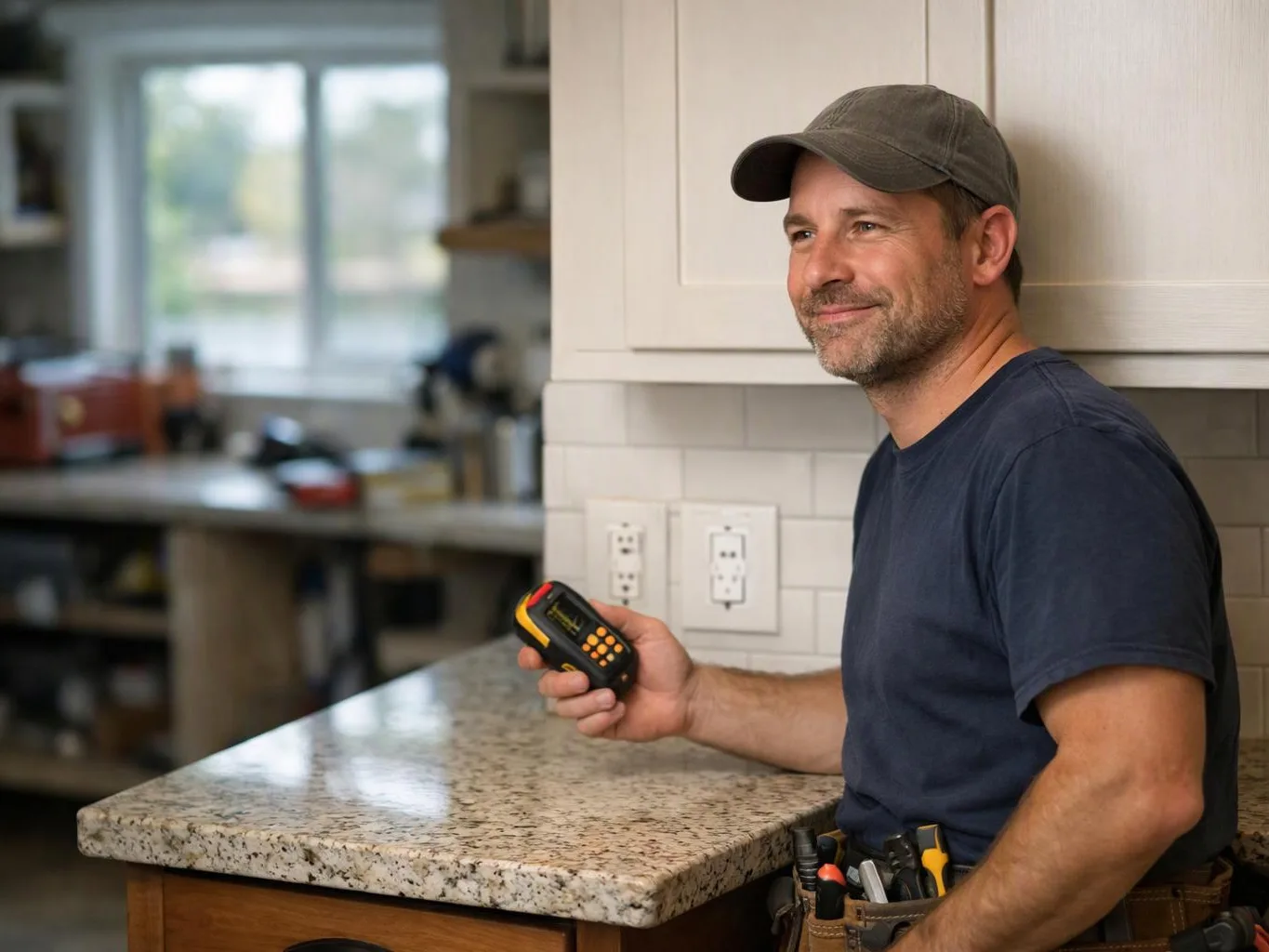
Faulty Wiring and Electrical Fire Warning Signs
Faulty wiring and electrical fire warning signs include burning odors, warm or discolored outlets, flickering lights, buzzing, sparks, shocks, and repeatedly tripped breakers. Center Electric Service investigates the underlying hazard through electrical troubleshooting, safety inspections, and rewiring when needed.
Get a Free EstimateWhat Are the Warning Signs of Faulty Electrical Wiring?
Warning signs before an electrical fire can include burning smells, heat, discoloration, flickering, buzzing, sparks, shocks, and repeated circuit breaker trips. These signs can point to faulty wiring, a damaged device, or a problem inside the electrical panel.
Use the list below as a safety check. Center Electric Service traces the cause before we recommend a repair.
Smoke, visible flames, or a strong burning odor requires immediate action. Leave the area, call emergency services if there is a fire, and do not touch damaged wiring or equipment.
Why These Electrical Warning Signs Matter
Electrical warning signs matter because heat and arcing can damage wire insulation and nearby materials. A loose electrical connection can create resistance, while an overloaded circuit can place too much demand on the branch circuit.
We look for the fault that caused the symptom. An arc fault can produce heat and sparks, while a short circuit can cause a breaker to trip quickly. Both conditions can create an electrical fire risk if the underlying problem remains.
Faulty wiring is not always visible from the outside. Our team uses electrical troubleshooting to check connections, devices, circuits, and the electrical panel without relying on one symptom alone.
How Can You Tell If You Have an Electrical Problem?
You may have an electrical problem when one circuit repeatedly trips, fixtures behave inconsistently, outlets become hot or discolored, or you notice burning odors, buzzing, sparks, or shocks.
Patterns can help show where the issue begins. A power interruption limited to one area may involve a branch circuit or breaker, while flickering across several areas may point to a wider panel or supply concern.
Keep notes about which outlets, light switches, or fixtures are affected. Share those observations with us through our Electrical Troubleshooting service so we can focus our inspection.
What You Can Do Yourself and When We Should Inspect the Wiring
Electrical safety starts with stopping use of equipment that shows heat, smoke, sparks, or damage. You can record the symptoms and switch off a tripping circuit when doing so is safe, but regulated electrical work belongs to Center Electric Service.
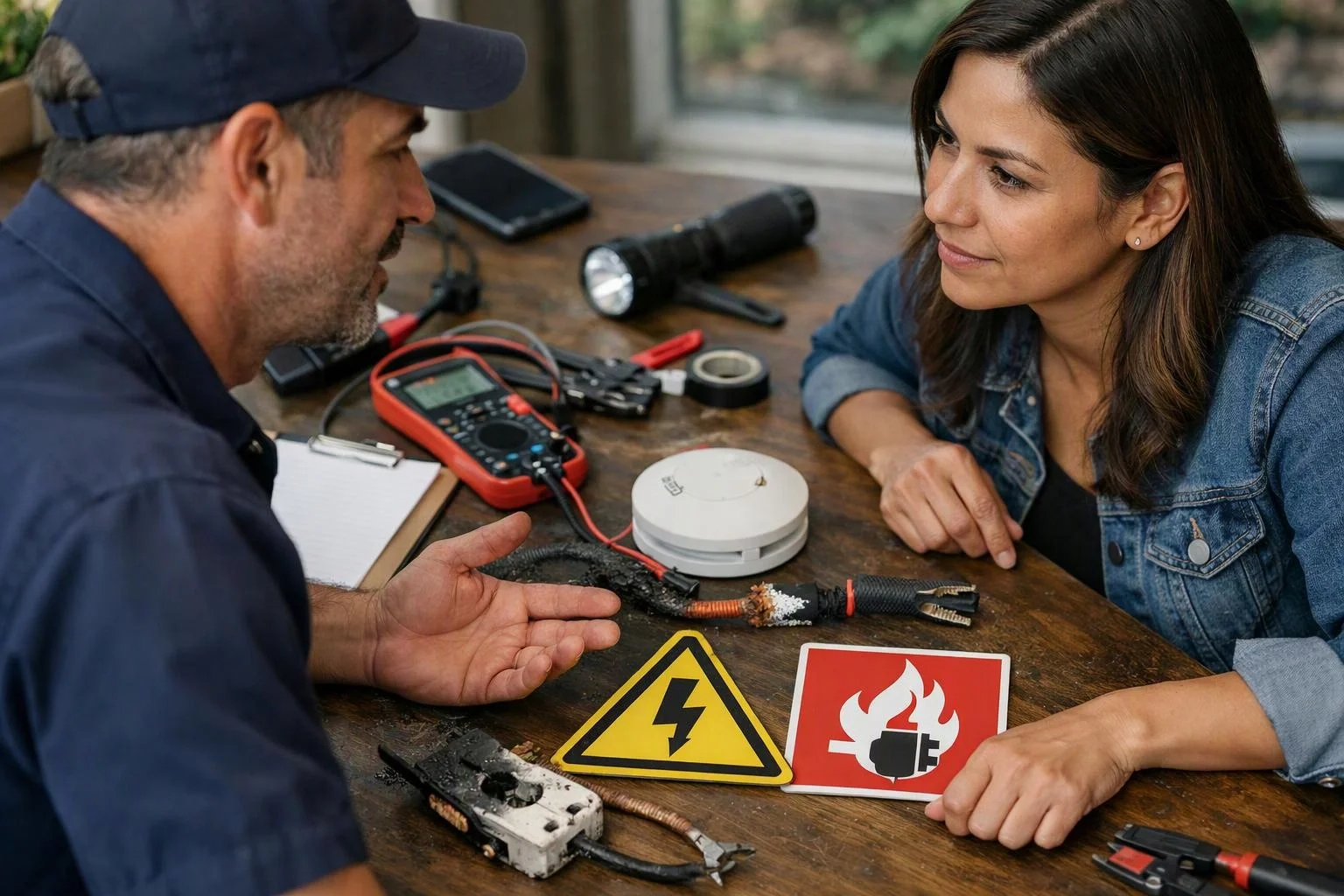
Do not remove outlet covers, handle exposed wire, bypass a breaker, or keep resetting a breaker that trips. The comparison below shows where safe observation ends and our inspection begins.
| Factor | What you can do yourself | What we do |
|---|---|---|
| Suspect outlet or switch | Stop using it and note heat, discoloration, sound, or odor. | We inspect the device, box, wire connections, and nearby circuit. |
| Tripping circuit | Switch it off when safe and unplug equipment without opening the panel. | We test the circuit and identify overloads, short circuits, or damaged wiring. |
| Visible damage | Keep people away from exposed wire, smoke, or hot materials. | We make the area safe and determine the needed repair through an electrical safety inspection. |
| Ongoing electrical fault | Write down when the issue occurs and which devices are affected. | We inspect the panel, branch circuits, outlets, switches, and connections. |
How We Diagnose Faulty Wiring
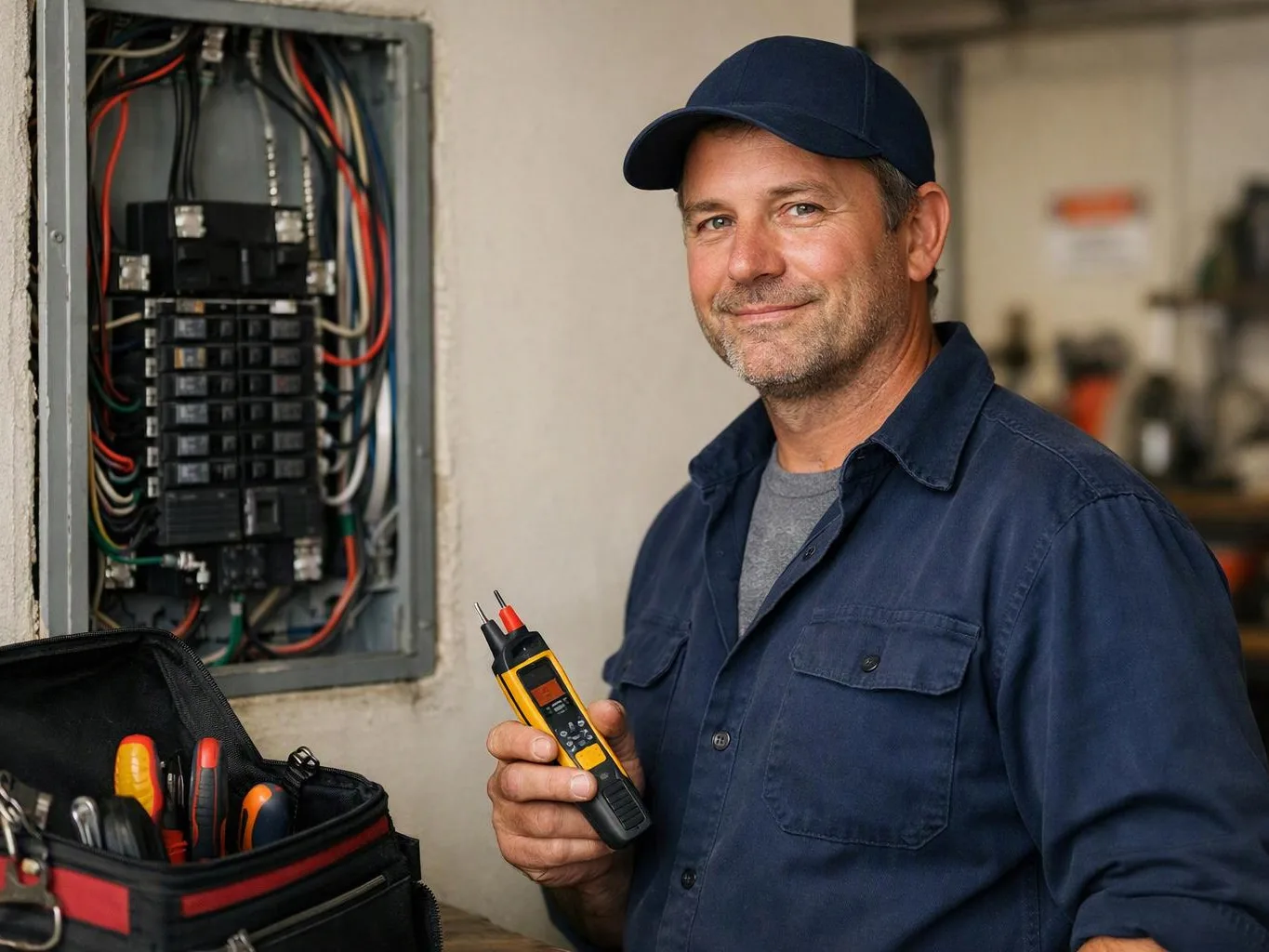
Electrical troubleshooting finds the source of a symptom by tracing power through the affected circuit. We begin with your observations, then review the electrical panel and the branch circuit connected to the problem.
Our team checks wire connections, outlets, light switches, protective devices, and signs of overheating. We use circuit testing to separate a faulty device from a wiring or panel problem.
An electrical safety inspection also considers damaged insulation, loose wiring, improper connections, and conditions that may violate electrical code. We explain the finding before discussing repair options.
When Faulty Wiring Requires Rewiring or Aluminum Wiring Replacement
Faulty wiring may require rewiring when damage, aging, repeated faults, or unsafe connections affect more than one device or circuit. We review the condition of the electrical system before deciding whether targeted repair or Whole House Rewiring fits the home.
Aluminum wiring can need special attention because connections and terminations may develop heat-related problems. For an aluminum wiring fault, we inspect the affected connections and explain whether aluminum wiring replacement or another approved repair is appropriate.
Copper wiring is also checked for damaged insulation, loose connections, and overloading. Our work accounts for electrical code requirements and the findings from the electrical inspection.
What Our Electrical Estimate Covers
An electrical estimate covers the conditions we find, the work needed to correct them, and the materials and access required for that work. Center Electric Service provides Free Estimates Available for eligible electrical work.
We explain whether the scope involves electrical troubleshooting, an electrical safety inspection, aluminum wiring replacement, or Whole House Rewiring. The estimate can also identify panel, circuit, outlet, switch, and connection work that must be addressed for safe operation.
Cost depends on the location of the fault, the condition of the wiring, the accessibility of the work, and the size of the repair. Contact us through our contact page to request an exact quote based on the findings.
When faulty wiring creates heat, smoke, sparks, or shocks, do not continue using the affected circuit. Contact Center Electric Service so our team can assess the electrical hazard safely.
Questions About Faulty Wiring and Electrical Fire Risks
Can faulty wiring cause an electrical fire?
Yes, faulty wiring can cause an electrical fire when damaged insulation, loose connections, overloads, or arcing create enough heat to ignite nearby materials. Center Electric Service investigates the source of heat or arcing and explains the repair needed to reduce the hazard.
Should I turn off a breaker that keeps tripping?
Yes, turn off a repeatedly tripping breaker when you can do so safely, then leave the circuit off until we inspect it. Do not keep resetting the breaker or open the electrical panel to investigate the fault.
Are buzzing outlets a sign of faulty wiring?
Yes, a buzzing outlet can signal a loose connection, arcing, overload, or failing device. Stop using the outlet and contact us if the sound continues or the outlet also feels warm or looks discolored.
Can old wiring cause flickering lights?
Yes, old wiring can contribute to flickering lights, but loose connections, failing switches, overloaded circuits, and panel problems can cause the same symptom. We test the affected circuit to identify the actual cause.
When does faulty wiring require whole house rewiring?
Faulty wiring may require whole house rewiring when unsafe conditions affect many circuits, the system has widespread damage, or targeted repairs would not resolve the broader problem. We inspect the system and base the recommendation on its condition, safety, and code requirements.