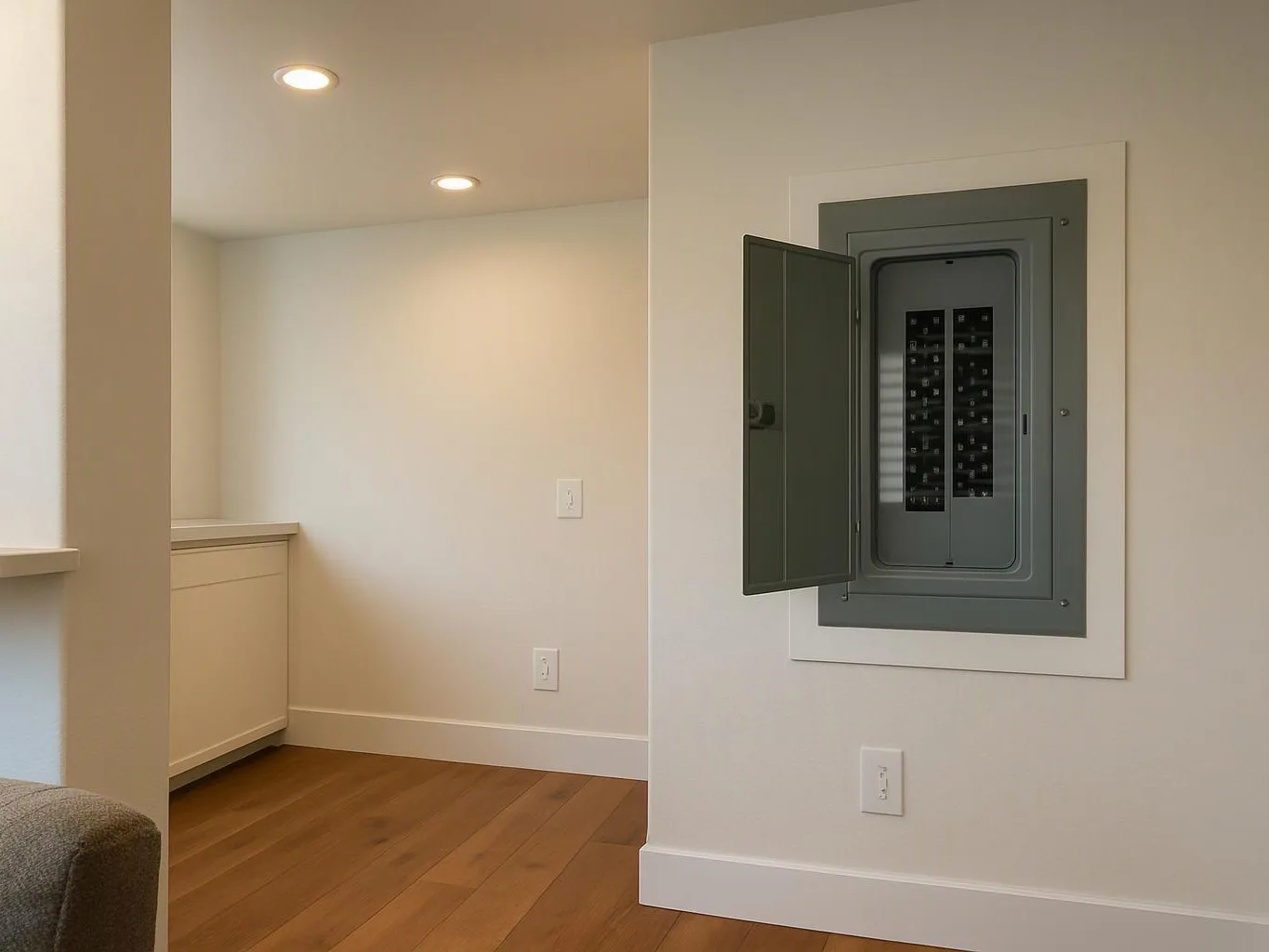
What Flickering Lights May Mean — and When to Treat Them as Urgent
Lights flickering in a house can signal a bulb issue, a circuit fault, or a power supply problem. Center Electric Service can trace the cause, while smoke, burning smells, or sparks call for urgent action.
Get a Free EstimateWhat can flickering lights mean?
Flickering lights can point to a bulb problem, a wiring fault, or a power supply issue. The pattern helps narrow the cause, but it doesn't prove it.
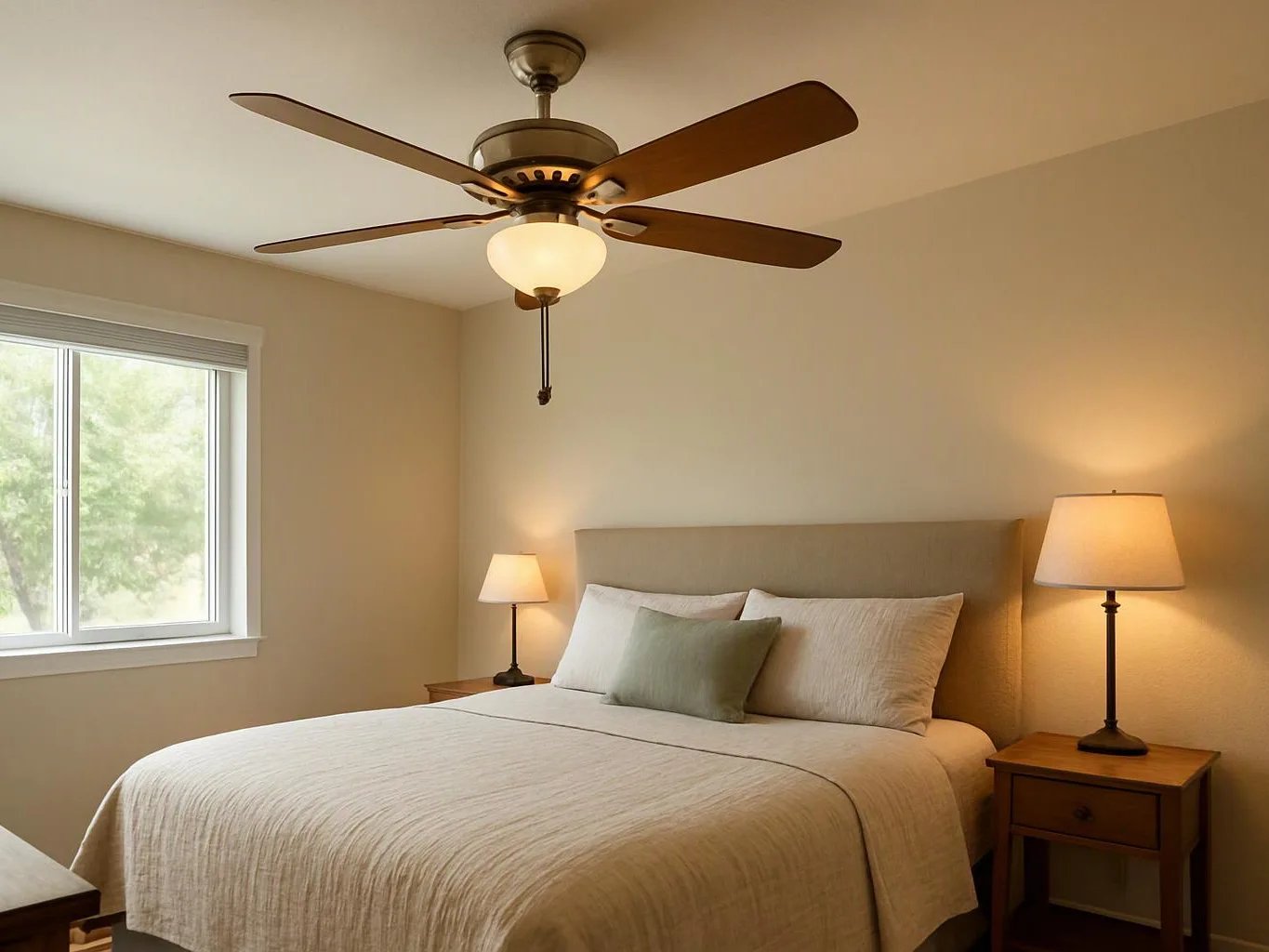
A loose or failing light bulb may flicker. A bulb may also not work well with a dimmer switch. We check the light and its controls to find the cause.
A fault in the fixture or loose wiring can also cause flicker. We check for these faults and look at the power supply when needed.
Which flickering light signs need attention?
Flickering light signs can affect a fixture, a room, or the whole house. Smoke or sparks make the problem urgent.
Why are lights flickering in a room or throughout the house?
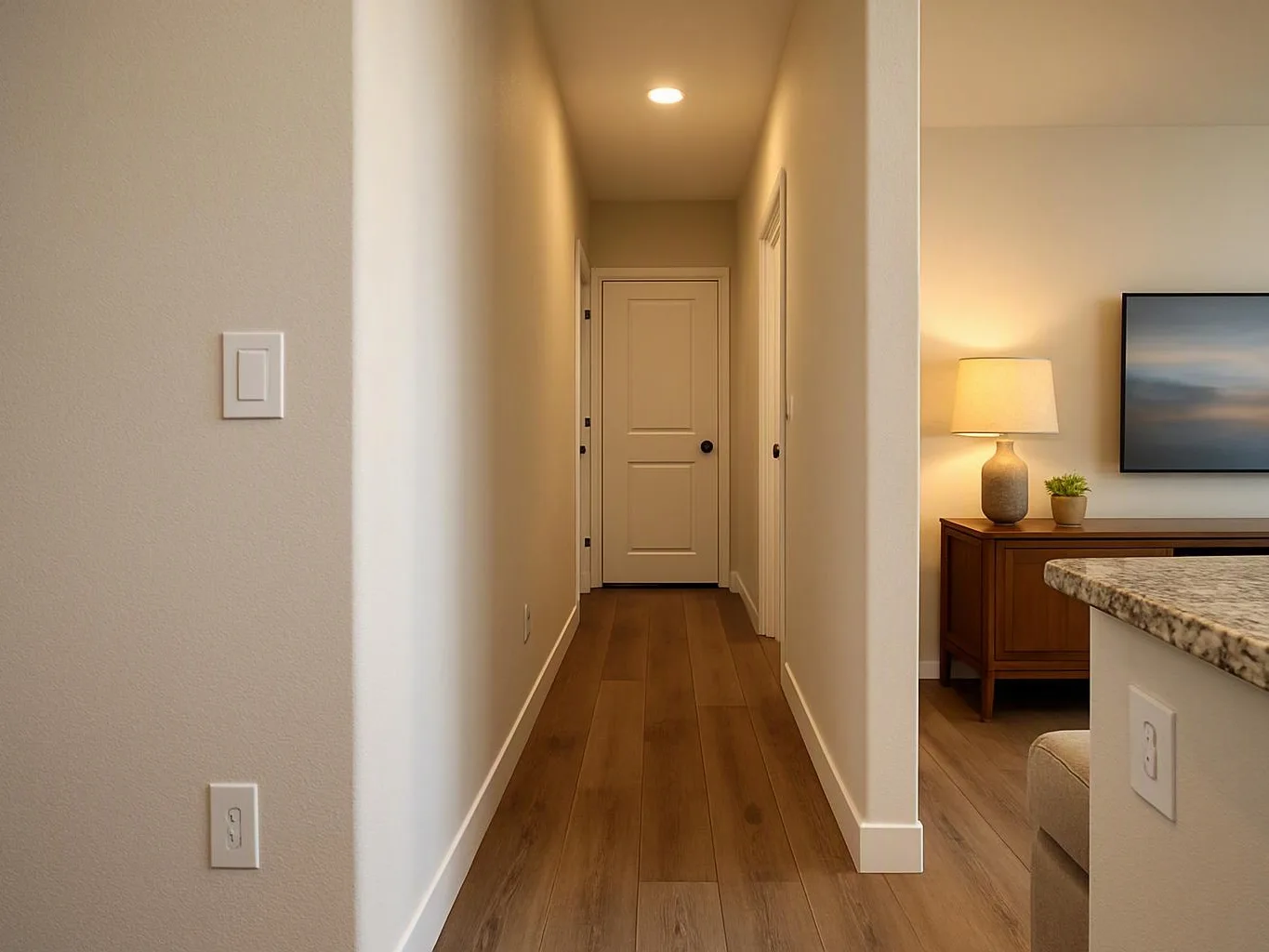
Lights flickering in a room may share a circuit or switch problem. Flicker throughout the house may point to a wider wiring or supply issue.
A loose wiring connection can affect lights on a room circuit. We trace the circuit and check the switch and connections.
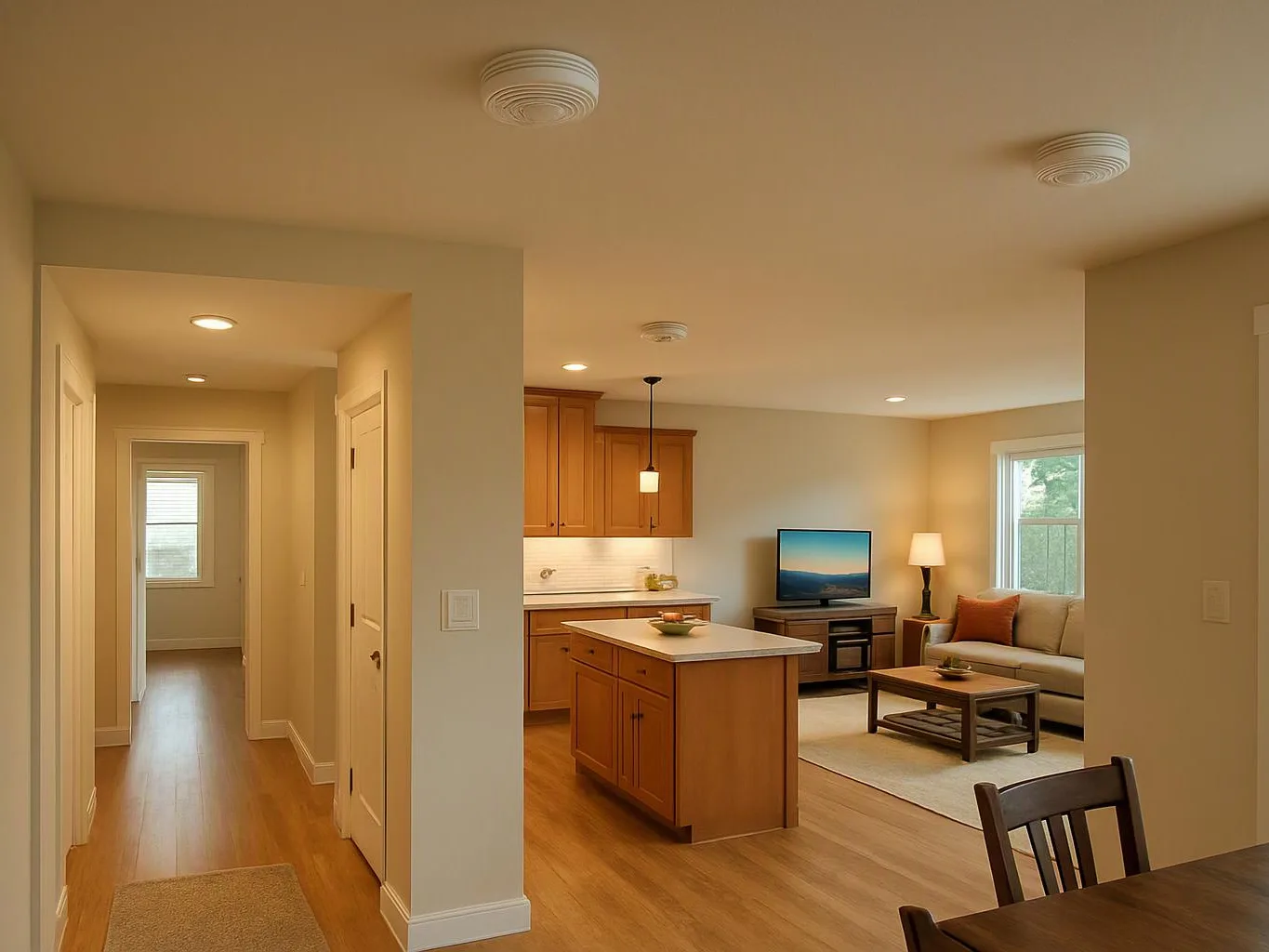
House-wide flicker may involve the electrical panel or the utility power supply. We check the home's wiring and assess whether the utility may be involved.
Why do lights dim when an appliance turns on?
Lights can dim when an appliance starts because the appliance draws power. Repeated or strong dimming can also signal a circuit or connection problem.
A shared circuit carries power to both the appliance and the lights. We check the circuit's electrical load (the power used) and look for loose connections.
When are flickering lights an emergency?
Flickering lights with smoke, sparks, or a burning smell need urgent action. Leave the area and call emergency services if you see smoke or fire.
A hot switch or outlet is also a warning sign. Don't touch or use it. Contact us for Emergency Electrician help.
What can you check, and what do we check?
You can note the flicker pattern and report it to us. We check the wiring and power supply when the cause isn't clear.
| Factor | What you can do yourself | What we do |
|---|---|---|
| Flicker pattern | Note where and when the lights flicker. | We use your notes to help trace the affected circuit. |
| Dimmer | Note whether the flickering light uses a dimmer. | We check whether the bulb and dimmer work well together. |
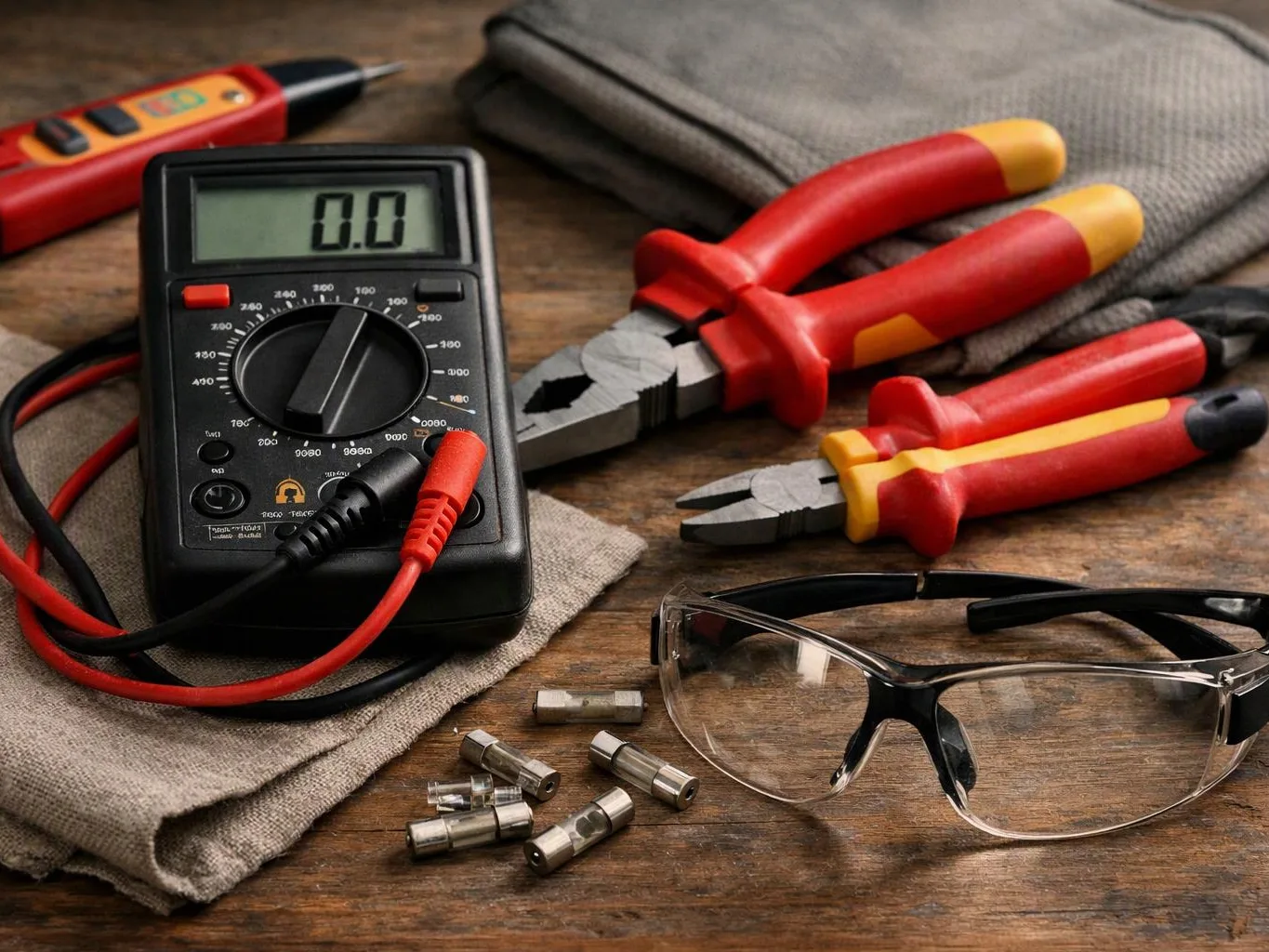
| Wiring and connections | Don't open switches, fixtures, or the panel. | We check the circuit and its connections for faults. |
| Power supply | Tell us if lights flicker throughout the house. | We assess whether the utility supply may be involved. |
What happens after we find the cause?
We explain the cause of the flickering and the repair options. We check the affected light after the work.
Electrical Troubleshooting helps us trace the fault. If the light needs work, we'll explain the Lighting Repair options before we proceed.
Contact Center Electric Service to discuss your flickering lights. Tell us what you've noticed so we can plan the next step.
Get a Free EstimateWhat Are the Key Specifications to Know?
- Topic Focus
- What Flickering Lights May Mean — and When to Treat Them as Urgent
- Related Core Service
- Electrical Troubleshooting
- Evaluation Method
- On-Site Inspection & Written Scope
- Compliance Standard
- Local Building Code & Manufacturer Specs