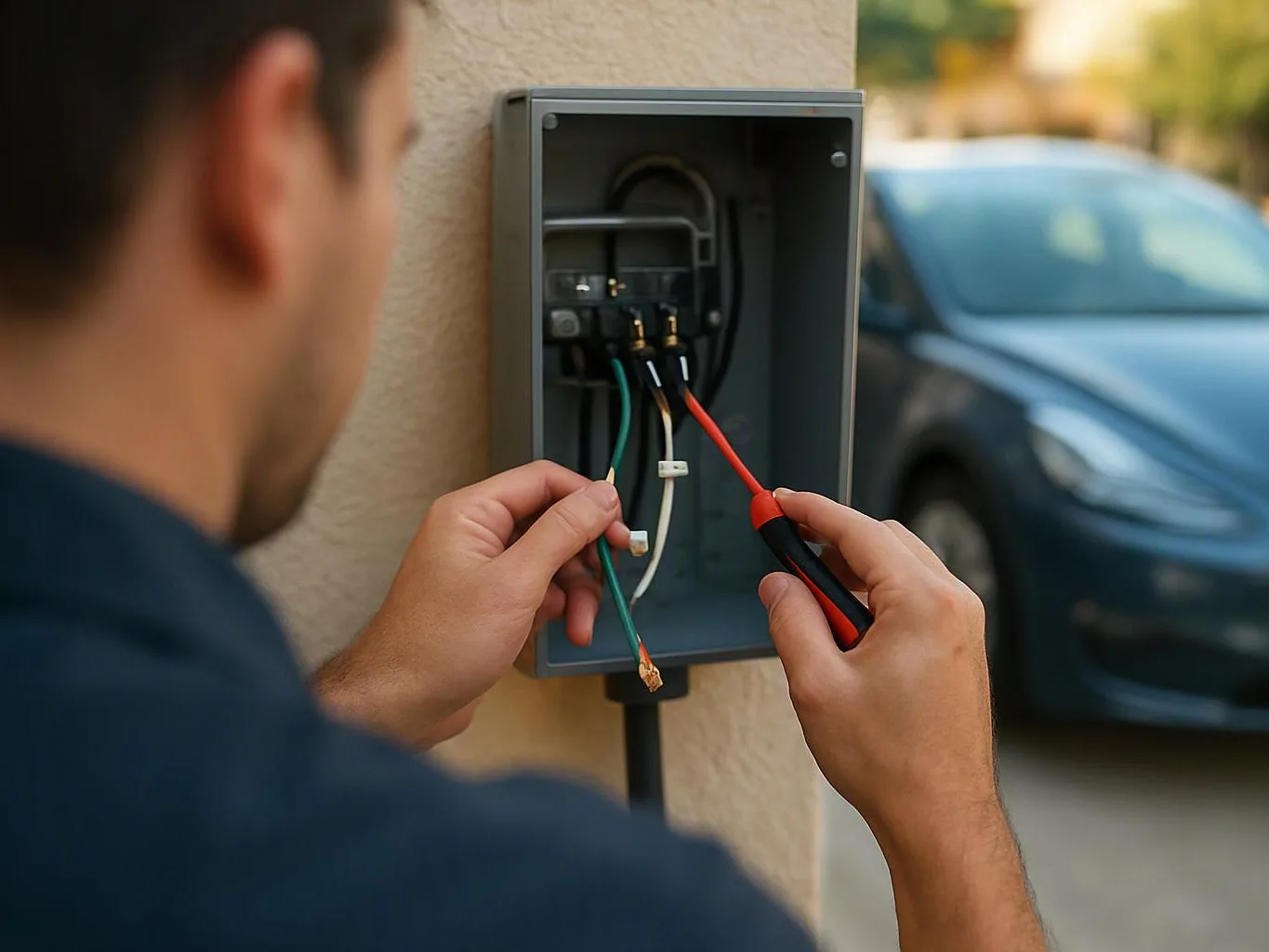
Standard vs Premium Emergency Electrician Systems & Materials Compared (2026)
Emergency electrician systems and materials comparison starts with the fault, electrical load, system compatibility, safety requirements, and future use. Center Electric Service evaluates these conditions before recommending standard electrical systems for essential function or premium electrical systems for added control, monitoring, durability, or flexibility. Free Estimates Available.
Get a Free EstimateOptions at a Glance
Standard and premium systems can both support a safe emergency electrical repair when the selected materials match the installation. The right choice depends on the fault condition and the property's electrical needs.
- Standard systems suit focused repairs, essential power restoration, and straightforward replacements.
- Premium systems suit properties that need added monitoring, controls, durability, integration, or future capacity.
What Is the Difference Between Standard and Premium Emergency Electrical Systems?
Standard emergency electrical systems focus on safe, code-aligned function, while premium systems add higher-grade materials, stronger controls, expanded monitoring, or greater flexibility when those features suit the property.
Standard electrical systems use suitable components to restore required operation. We assess the fault, wiring, protection, and connected equipment before choosing replacement parts.
Premium electrical systems add features that address a defined need. Our team checks whether advanced controls, monitoring, system integration, or added durability will improve the installation.
System reliability depends on correct sizing, sound connections, suitable enclosures, and proper circuit protection. Premium materials cannot make an unsafe installation suitable, and standard materials are not suitable when their ratings or capacity do not match the work.
Standard vs Premium Emergency Electrician Systems at a Glance
Standard systems generally reduce upfront material and feature costs, while premium systems generally require more investment for enhanced components, controls, serviceability, or future flexibility.
| Factor | Standard Option | Premium Option |
|---|---|---|
| Cost | Lower relative upfront cost when basic code-compliant function meets the need | Higher relative upfront cost when upgraded materials, controls, monitoring, or compatibility are included |
| Timeline | Often simpler to assess, source, and install when compatible parts are available | May require additional specification, compatibility checks, or setup |
| Maintenance | Routine inspection focuses on core components and visible wear | Maintenance may include additional controls, monitoring equipment, or specialized components |
| Best for | Focused repairs, essential restoration, and properties where basic function meets the electrical demand | Properties needing added control, monitoring, durability, integration, or future capacity |
The comparison shows relative trade-offs, not a fixed result for every property. We confirm the repair scope, available parts, access, and compatibility before preparing an electrical estimate.
Standard and Premium Systems by Decision Factor
System choices become clearer when each option is judged against the same property needs. The table below compares the service role, timing factors, maintenance demands, and trade-offs without assuming that one tier fits every fault.
| Option / System | Best For | Turnaround Factors | Key Trade-Offs |
|---|---|---|---|
| Standard electrical system | Essential restoration and focused replacement | Often simpler when compatible replacement parts are available | Fewer added controls and less flexibility for future integration |
| Premium electrical system | Monitoring, control, durability, integration, or future capacity | May need more specification, compatibility checks, and setup | Higher relative material and feature investment with added maintenance needs |
What Are the Advantages of Standard Emergency Electrical Systems?
Standard emergency electrical systems are often the practical choice when safe essential function is the priority and upgraded features do not solve a defined property need.
Best for: Essential repairs and straightforward replacements where safety, compatibility, and required function are the main priorities.
What Are the Advantages of Premium Emergency Electrical Systems?
Premium emergency electrical systems are often the better choice when enhanced control, monitoring, durability, compatibility, or future flexibility addresses a specific property requirement.
Best for: Properties with defined performance, monitoring, durability, integration, or future-capacity requirements.
Which Emergency Electrician Option Fits the Property?
The better option is the one that safely resolves the fault and matches the property's electrical demand, compatibility limits, operating conditions, and future plans.
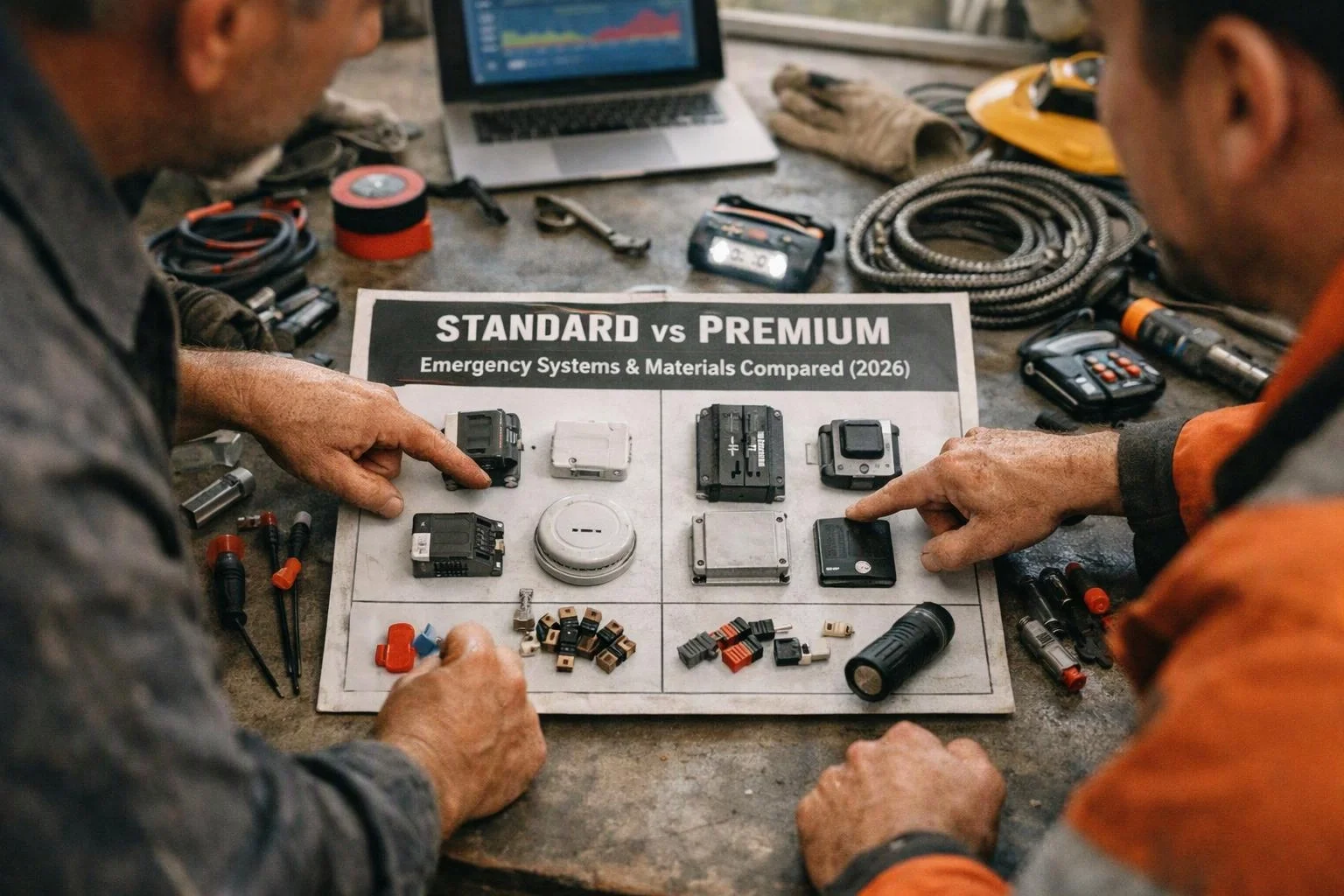
We start with the fault type and determine whether it affects a circuit, equipment connection, control, or distribution component. Our team then reviews the electrical panel, wiring, disconnects, grounding, and available capacity.
Required electrical load matters when an interruption affects essential equipment or when new equipment is planned. We also consider access, heat, moisture, vibration, physical damage, monitoring, controls, integration, and later expansion.
For related panel decisions, Electrical Panel Repair vs Replacement: Which Option Fits Your Property? explains how condition and capacity guide the repair path. Circuit Breaker vs Fuse Box: Differences, Safety, and Replacement Considerations covers another important protection choice.
What Does Center Electric Service Check Before Recommending Materials?
Center Electric Service checks the electrical condition, cause of failure, compatibility, safety requirements, and requested system function before preparing a repair or upgrade recommendation.
How Do Code, Inspection, and Safety Requirements Affect the Choice?
Electrical code, inspection criteria, equipment ratings, grounding, overcurrent protection, and safe installation practices determine whether a standard or premium option is suitable.
A premium component does not correct an undersized conductor, inadequate protection, damaged wiring, or incompatible equipment. We correct the underlying condition before selecting materials.
A standard component is not suitable when its ratings, enclosure, environment, or capacity do not match the installation. Our team checks these conditions as part of the safety inspection.
Burning odors, buzzing, visible arcing, warm devices, repeated breaker trips, smoke, or exposed conductors require prompt professional assessment. Regulated electrical work should be handled by Center Electric Service, not attempted as a homeowner repair.
What Changes the Cost of Standard and Premium Emergency Electrical Work?
Emergency electrical cost changes with the fault location, repair scope, material selection, access, capacity changes, code corrections, and any monitoring or integration requirements.
The number and type of affected components can change the labor and material scope. We also check whether the existing wiring, panel, grounding, and protection can remain in service.
Equipment access can affect the work when parts must be exposed, secured, or replaced. The choice between essential restoration and added controls, monitoring, durability, or integration also changes the estimate.
Testing, inspection coordination, and corrective work discovered during assessment can add to the scope. We explain these cost drivers in the electrical estimate before work proceeds.
How Can You Prepare for an Emergency Electrical Assessment?
You can prepare by keeping clear of damaged equipment, noting warning signs, and giving Center Electric Service accurate information about the affected circuit or equipment.
When Is a Premium System Not Necessary?
A premium system is not necessary when a suitable standard component safely meets the required electrical function, ratings, compatibility, and inspection criteria.
The property may not need added monitoring, controls, integration, durability, or expansion capacity. We confirm that the existing installation can safely support the selected standard component.
A focused replacement may not require a broader system redesign. The standard option still needs to meet the required environmental and electrical ratings.
How to Choose an Emergency Electrical System
A sound choice connects the material tier to the fault condition, property use, and safety requirements. Use these checks when reviewing the proposed repair scope with our team.
Questions About Standard and Premium Electrical Systems
Can premium electrical materials fix an unsafe existing installation?
No. Premium electrical materials cannot correct undersized wiring, poor connections, inadequate circuit protection, damaged conductors, or incompatible equipment. Center Electric Service identifies and addresses the unsafe condition before selecting suitable materials.
What information should I give an emergency electrician before the assessment?
Share the warning signs, affected outlets or equipment, when the fault began, recent electrical changes, and safe photos of labels or visible damage. Keep away from exposed wiring, smoke, sparks, and water-damaged equipment.
Are premium electrical components easier to maintain?
Not always. Premium components may improve serviceability or monitoring, but they can also add controls and specialized equipment that require more detailed inspection. We explain the maintenance needs before recommending an upgrade.
What warning signs mean an electrical system needs urgent attention?
Burning odors, buzzing, visible arcing, warm devices, repeated breaker trips, smoke, exposed conductors, and visible damage need prompt assessment. Keep people clear of the area and contact Center Electric Service for safe evaluation.
Request an Emergency Electrical Assessment
Center Electric Service can review the fault condition, electrical load, system compatibility, code requirements, and material options for your property. We explain the repair scope and cost drivers before work proceeds.
Contact Center Electric Service to request an assessment.
Related Resources
Emergency Electrician Cost Factors and Quote Preparation
What It CostsElectrical Troubleshooting Cost Factors and Diagnostic Quotes
Brand vs BrandCenter Electric Service vs Local Emergency Electrician Alternatives in Riverside: Side-by-Side Comparison
What It SolvesBest Emergency Electrical Repair Options for Urgent, Budget & Long-Term Projects in Riverside