Warning Signs Your Home Needs Electrical Rewiring
Warning signs your house needs rewiring include repeated electrical faults, flickering lights, overheating, damaged wiring, burning odors, shocks, and outdated electrical components; Center Electric Service checks the system and explains the safest next step.
Get a Free EstimateWhat Are the Warning Signs Your House Needs Rewiring?
Warning signs your house needs rewiring include recurring electrical faults, heat or burning odors, damaged wiring, shocks, and an outdated or unsafe electrical system. One sign may have a simple cause, but repeated signs call for a careful review of the whole home electrical system.
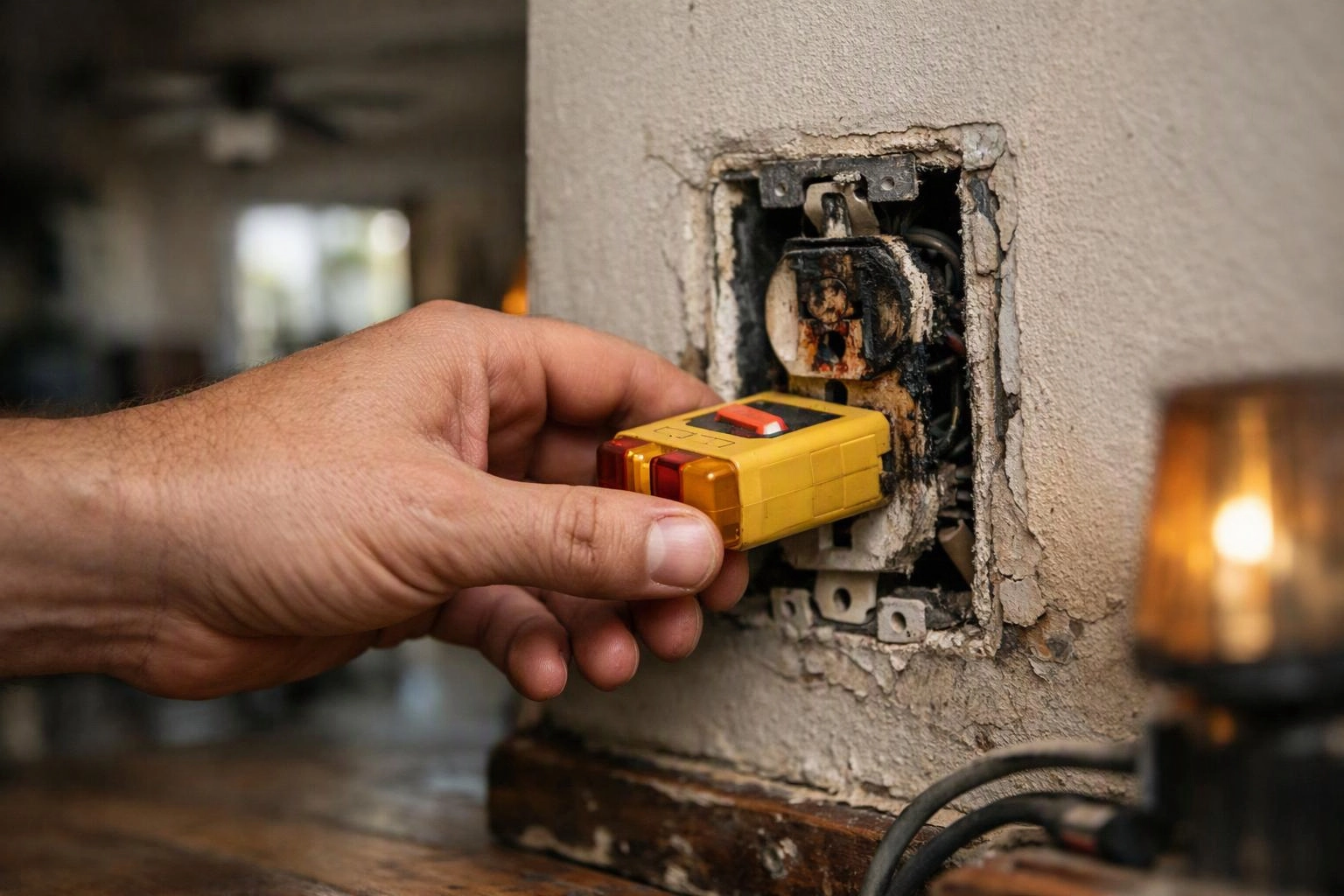
Our team traces the fault and checks whether the issue affects one outlet, one branch circuit, or the wider electrical wiring.
What Do These Electrical Rewiring Warning Signs Mean?
Electrical rewiring warning signs mean that wiring, connections, protection devices, or grounding may no longer support safe operation.
An overloaded circuit carries more electrical load than its wiring or protection can safely support. We test the branch circuit, review the connected devices, and check whether the circuit breaker is working as intended.
A loose connection can create heat, flickering lights, buzzing, or electrical arcing. Our crew checks accessible connections and follows the fault through the electrical panel, outlets, switches, and wiring.
Insulation damage can expose conductors to contact, heat, or further wear. We assess the wiring condition and identify whether the safe remedy is a repair, partial rewiring, or broader electrical wiring replacement.
Grounding gives fault current a safer path and helps protective devices respond. We test grounding and explain any grounding correction needed for the home.
When Is an Electrical Problem an Immediate Safety Concern?
An electrical problem is an immediate safety concern when a home has smoke, sparks, a burning smell, exposed conductors, severe heat, or an electric shock.
Stop using the affected outlet or circuit when you can do so safely. If smoke or active sparking is present, leave the area and contact emergency services when needed.
Do not touch damaged cable, exposed wire, or equipment that is hot, wet, or smoking. We can perform power isolation, Electrical Troubleshooting, and an Electrical Safety Inspection to locate the hazard.
Can You Check for Rewiring Problems Yourself?
Yes, you can observe visible warning signs and record when faults occur, but Center Electric Service should inspect wiring, connections, grounding, and electrical protection before rewiring decisions are made.
Safe observation can help us understand the problem. Do not remove an electrical panel cover, open an outlet, test exposed conductors, or perform DIY electrical work.
| Factor | What you can do yourself | What we do |
|---|---|---|
| Visual inspection | Look for heat, damage, smoke, or unusual sounds without touching equipment. | We inspect accessible wiring, outlets, switches, and visible signs of fault. |
| Fault history | Record flickering, trips, blown fuses, shocks, or burning odors. | We use the history to guide Electrical troubleshooting and testing. |
| Electrical safety | Stop using unsafe equipment and keep people away from hazards. | We assess power isolation, circuit protection, and grounding during an Electrical Safety Inspection. |
| Rewiring decision | Do not decide on rewiring from age or appearance alone. | We identify the cause and explain the safest repair or rewiring scope. |
What Happens During an Electrical Rewiring Assessment?
An electrical rewiring assessment gives us a clear view of the system condition, safety risks, and work needed.
Our team uses electrical troubleshooting and an Electrical Safety Inspection to connect symptoms with their causes.
How Do You Decide Between Repairs and Whole-House Rewiring?
The choice between repairs and whole-house rewiring depends on the condition, extent, accessibility, and safety performance of the existing electrical system.
An isolated fault may need electrical repair when the rest of the system is in good condition. We test the affected circuit and confirm that the repair supports safe operation.
Partial rewiring can fit a home where certain branch circuits have damaged wiring or poor connections. Our team separates the affected wiring from sections that remain safe and suitable.
Whole-house rewiring may be appropriate when outdated wiring, weak circuit capacity, grounding concerns, code compliance issues, and high electrical load affect much of the home. We also review planned home renovation work because walls may already be open for access.
What Changes the Cost of Rewiring a House?
The cost of rewiring a house changes with the system's condition, the amount of wiring replaced, circuit requirements, access to concealed wiring, and related panel or device work.
Home size and the number of circuits affect the amount of material, testing, and installation work. We also review the service panel, electrical devices, grounding, and circuit capacity.
Wall and ceiling access can change the work needed to reach concealed wiring and restore finished surfaces. Permit and inspection requirements may also affect the project scope.
Our estimate explains the extent of wiring replacement, required electrical devices, panel work, access needs, and inspection-related tasks. Contact us for an estimate based on your home's actual wiring condition.
What Should You Do After Spotting Rewiring Warning Signs?
After spotting rewiring warning signs, stop using the affected circuit when safe, avoid opening electrical equipment, and contact Center Electric Service for an assessment and quote.
Keep people away from sparking outlets, exposed wires, smoke, severe heat, and damaged cables. Use power shutoff only when you can do so without touching unsafe equipment.
Our team can carry out Electrical Troubleshooting, review the wiring condition, and complete an Electrical Safety Inspection. We then explain whether the next step is a targeted repair, partial rewiring, or whole-house rewiring.
Contact Center Electric Service for a clear assessment and Free Estimates Available.
Questions About Home Electrical Rewiring
Can old wiring cause flickering lights?
Yes, old wiring can cause flickering lights when connections are loose, circuits are overloaded, or wiring condition has declined. We test the light circuit and trace the cause before recommending repair or rewiring.
Can rewiring fix repeated circuit breaker trips?
Yes, rewiring can fix repeated circuit breaker trips when damaged wiring, poor connections, or inadequate circuit capacity causes the trips. We first check the load, breaker, branch circuit, and connected devices.
Do all old houses need complete rewiring?
No, all old houses do not need complete rewiring. We inspect the wiring condition, grounding, protection, circuit capacity, and safety performance to decide whether repair, partial rewiring, or whole-house rewiring fits the home.
Can electrical rewiring be done one circuit at a time?
Yes, electrical rewiring can be done one circuit at a time when the system layout, safety needs, access, and project plan support that approach. We explain the effect on circuit protection, grounding, and the remaining wiring.
What should I do if an outlet smells like burning?
Stop using the outlet, keep away from heat or smoke, and contact Center Electric Service for an urgent safety assessment. Do not remove the outlet cover or touch damaged wiring.