Essential Home Electrical Safety Rules
Essential home electrical safety rules include keeping electricity away from water, avoiding overloaded outlets, replacing damaged cords, using proper protection, and calling Center Electric Service for unsafe wiring, recurring electrical faults, or code correction.
Get a Free EstimateWhy Home Electrical Safety Rules Matter
Home electrical safety rules reduce exposure to shock, fire, burns, equipment damage, and unsafe wiring conditions. A residential electrical system needs safe wiring, sound connections, and working protection.
Electrical shock can injure people, while an electrical fire can damage a home. The electrical code sets safety requirements for installation and protection. We inspect unsafe conditions and explain the correction needed for your home.
What Are the Important Electrical Safety Rules for a Home?
Important home electrical safety rules include keeping water away from electricity, avoiding overloaded circuits, using cords and outlets correctly, maintaining protective devices, and stopping use of damaged equipment. We apply these safety concerns when we inspect residential wiring and electrical equipment.
Use these twenty practical rules to reduce common shock hazards and fire hazards in the home.
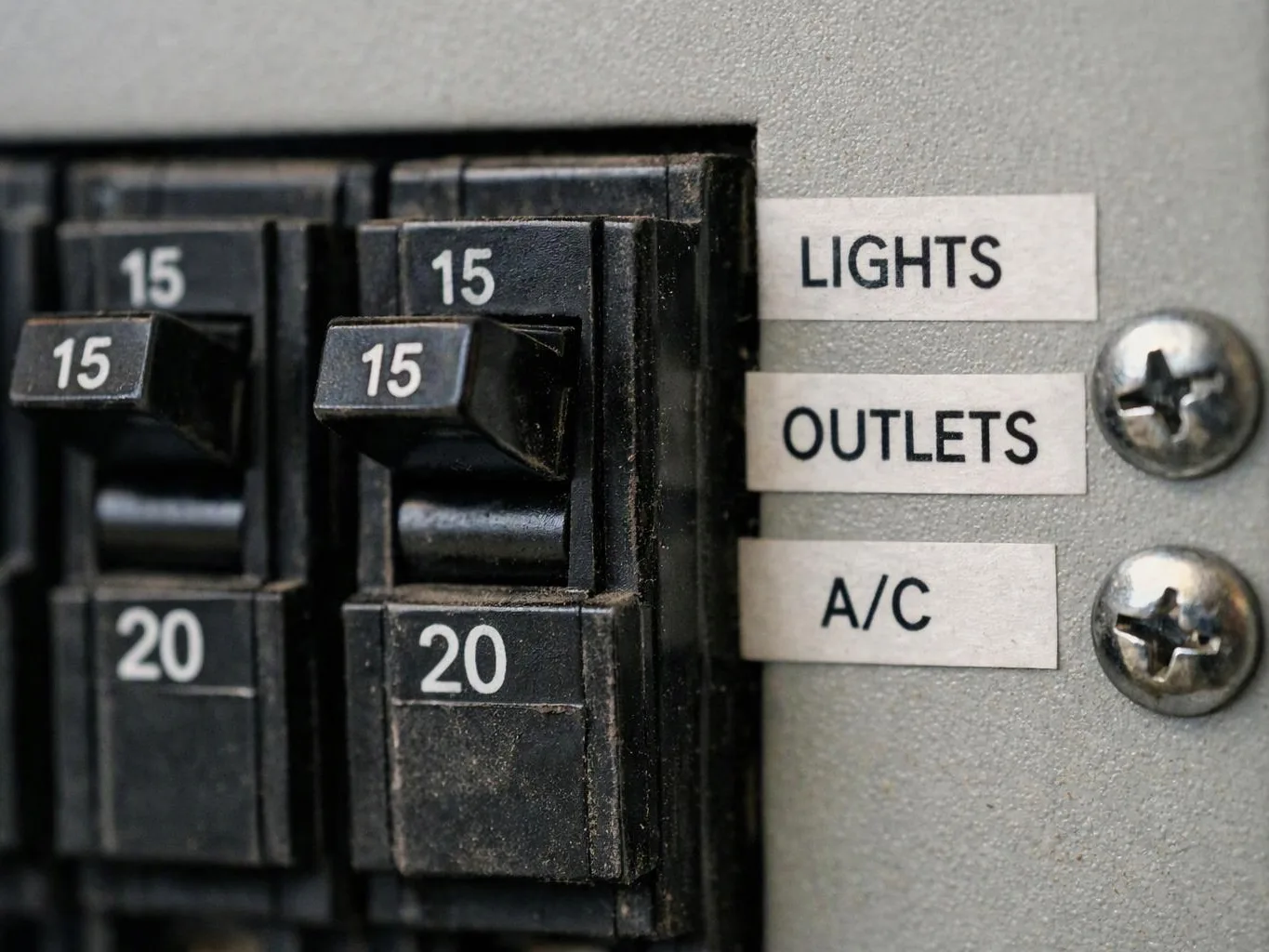
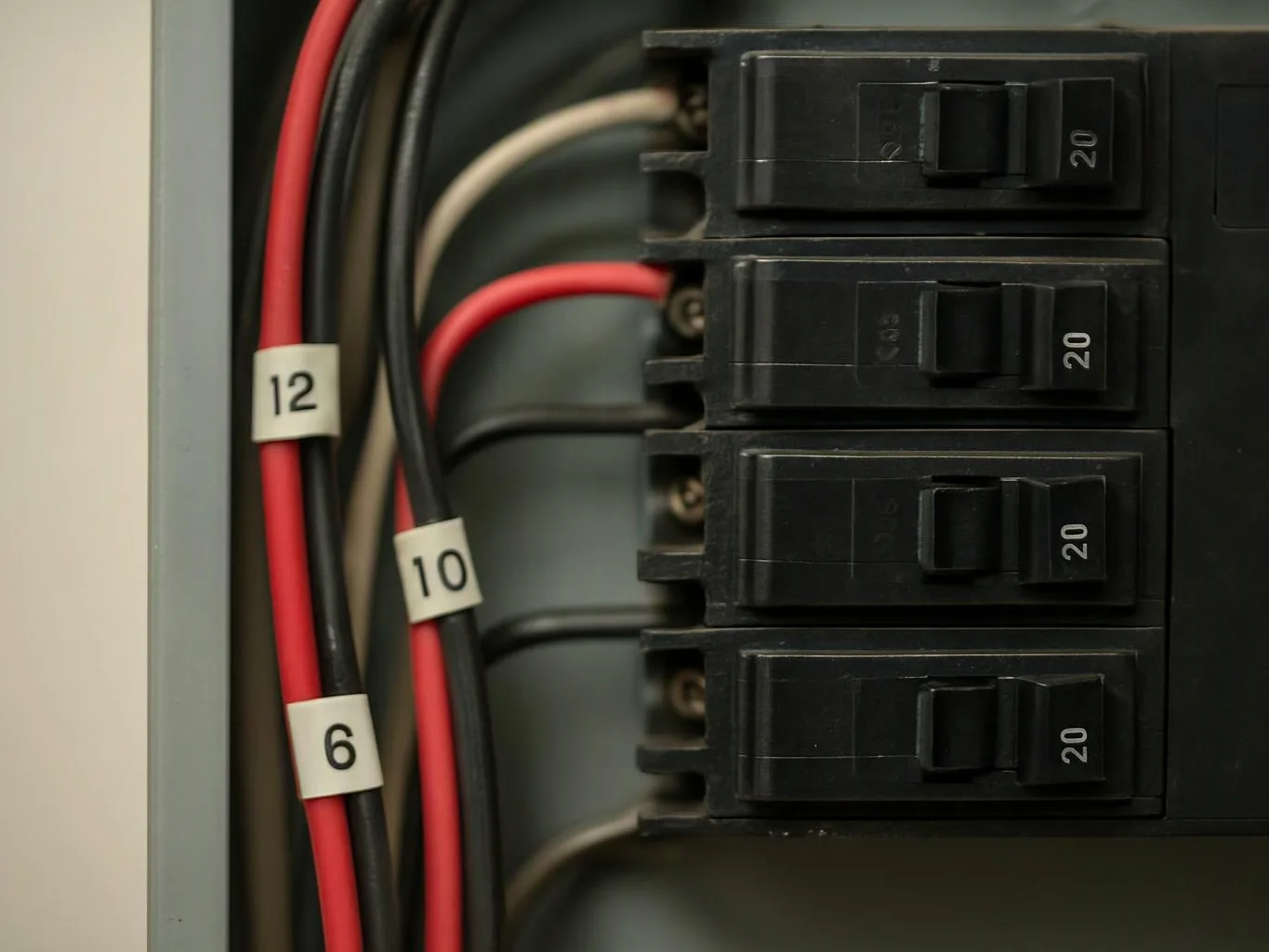
Circuit breakers, ground-fault circuit interrupters, and arc-fault circuit interrupters are protective devices with different safety purposes. We check the devices, the electrical panel, and the connected circuits when protection does not work as expected.
Which Electrical Warning Signs Require Attention?
Electrical warning signs such as burning odors, heat, scorch marks, sparks, buzzing, repeated breaker trips, and shocks require the affected equipment or circuit to be taken out of use and evaluated by Center Electric Service.
A flickering light can point to a loose connection, a circuit concern, or an equipment problem. A tripping circuit breaker can signal overload, damaged wiring, or a fault. We trace the issue safely and identify the repair or code correction needed.
A warm outlet, scorch mark, sparking outlet, or buzzing electrical panel needs prompt attention. Do not touch damaged parts or open energized equipment. We de-energize affected equipment when needed and inspect the condition.
How Does an Electrical Safety Inspection Check a Home?
An Electrical Safety Inspection reviews visible wiring, panels, outlets, grounding, protective devices, and warning signs to identify hazards and code-correction needs. We explain what we find and connect each concern to the residential electrical system.
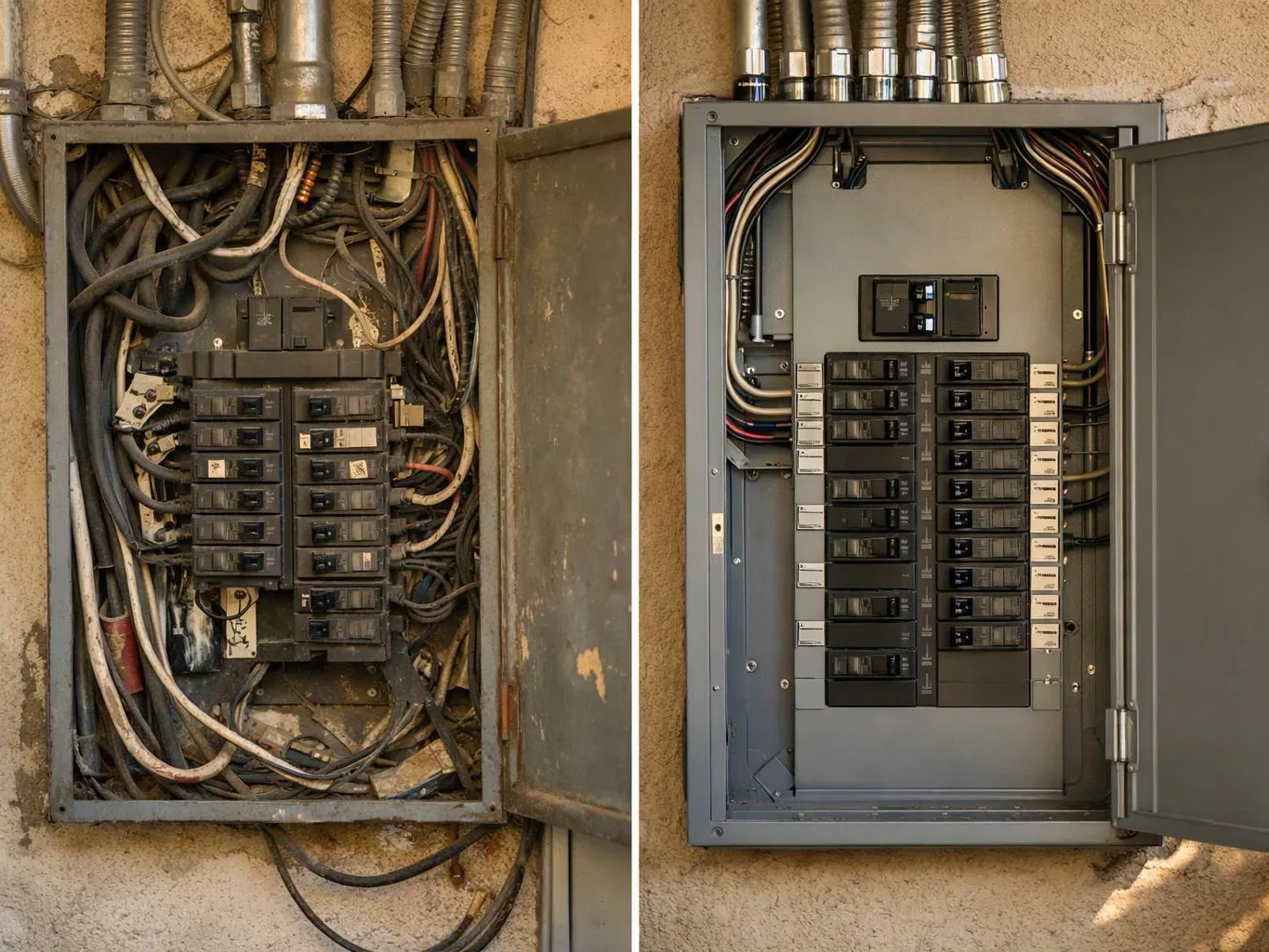
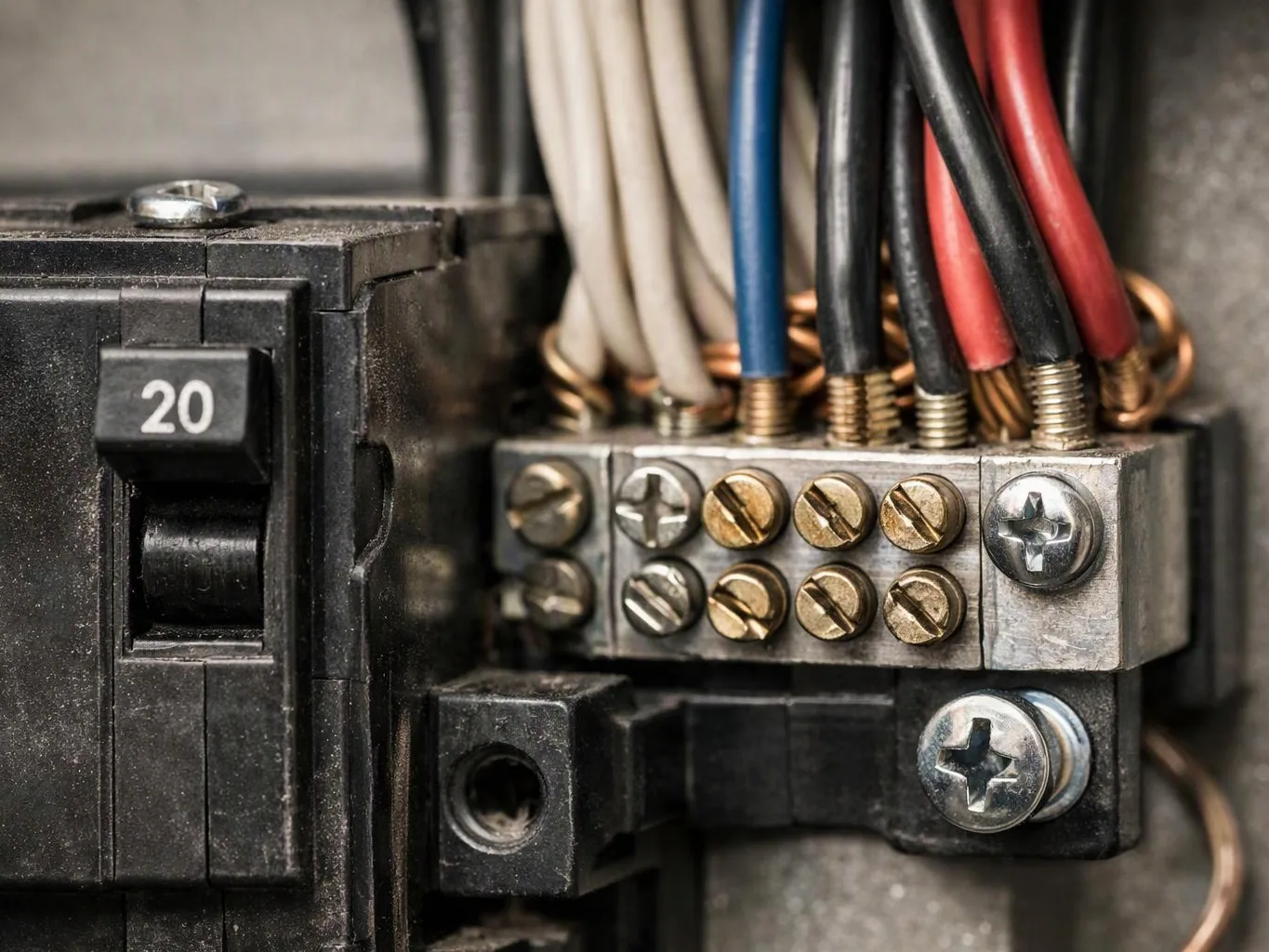
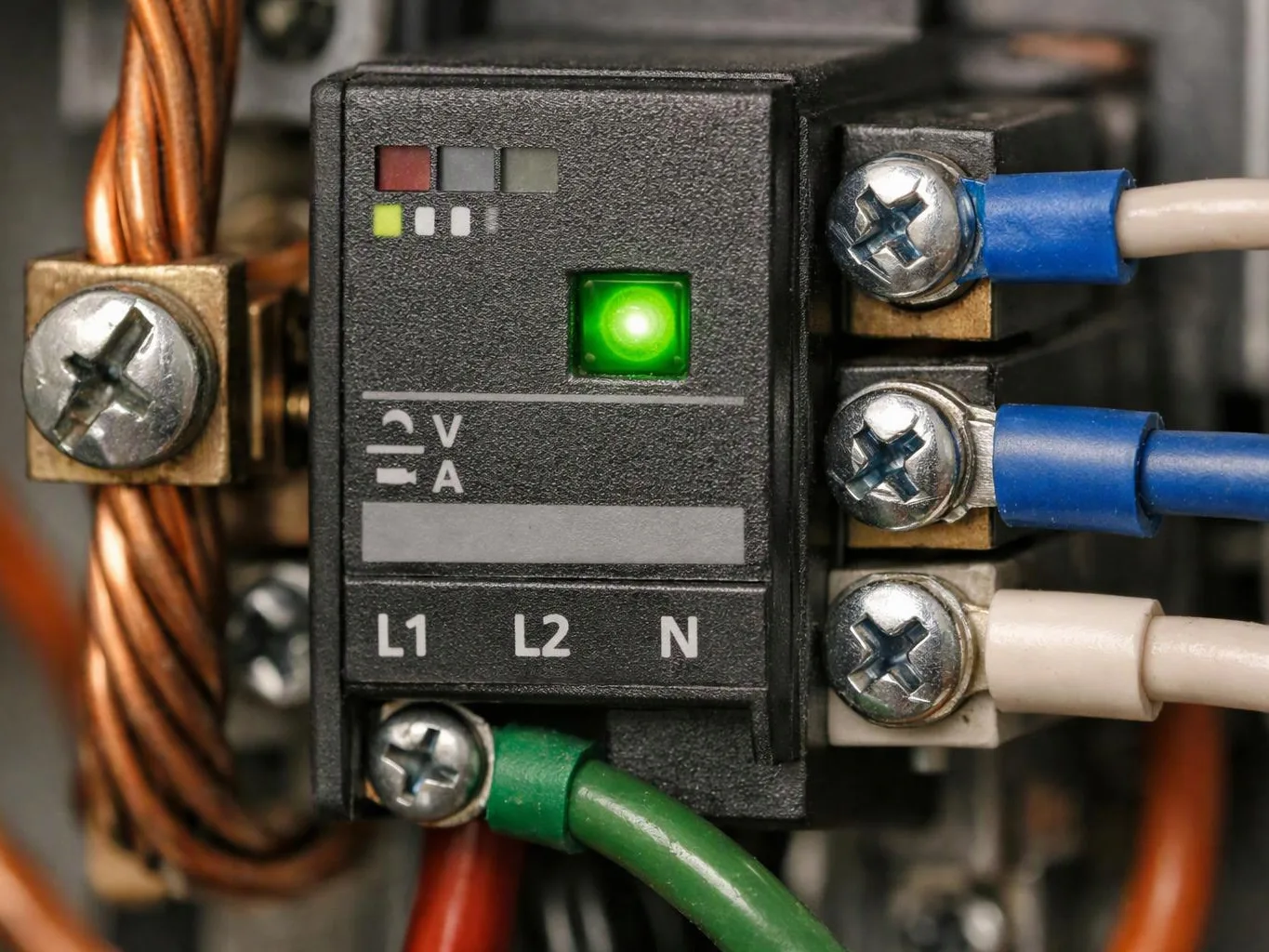
Our team reviews the service panel, circuit protection, receptacles, switches, and accessible wiring. We also consider grounding and bonding because these systems help control fault current and reduce shock risk.
An inspection can identify damaged conductors, loose connections, missing protection, improper alterations, and other conditions that may not be obvious during normal use. We document the findings clearly so you can decide on needed licensed electrical work.
What Does OSHA Electrical Safety Guidance Cover?
OSHA electrical safety standards primarily address workplace electrical hazards, safe work practices, equipment, and employer responsibilities; residential occupants should follow household safety rules and use Center Electric Service for hazardous electrical work.
The Occupational Safety and Health Administration focuses on trained workers, qualified persons, de-energization, lockout and tagout, and personal protective equipment in workplace settings. These rules do not make household electrical work safe for untrained occupants.
We use a controlled work process for hazardous electrical conditions. Do not enter an electrical panel, handle exposed conductors, or attempt to repair energized wiring.
When Should Electrical Code Correction Be Scheduled?
Electrical code correction should be scheduled when an inspection identifies unsafe wiring, inadequate protection, improper installation, damaged components, or other conditions that fail applicable electrical requirements.
A code violation may appear during a home sale, renovation, insurance review, or electrical safety inspection. We review the inspection report, identify the affected part of the residential electrical system, and explain the correction scope.
Electrical Code Correction may involve damaged wiring, circuit protection, grounding, bonding, outlets, switches, or panel concerns. Permit and inspection needs depend on the work and the applicable local requirements, so we explain the process before work begins.
How Can You Arrange an Electrical Safety Inspection?
Center Electric Service can review the home's electrical concerns, explain the inspection or correction scope, and provide an estimate before the work begins; Free Estimates Available.
Share the warning signs you have noticed, such as flickering lights, a warm outlet, breaker tripping, or damaged wiring. We use that information to plan the inspection and explain what our service estimate includes.
Our team can inspect the electrical system, identify safety concerns, and outline code correction work when needed. Contact us through our service request page to arrange the next step.
Questions About Home Electrical Safety Rules
Can a tripped circuit breaker be reset repeatedly?
No, a tripped circuit breaker should not be reset repeatedly when the cause is unknown or the breaker trips again. Center Electric Service evaluates the circuit, connected equipment, and wiring to locate the fault.
What should you do if an outlet is warm or discolored?
A warm or discolored outlet should be taken out of use, and Center Electric Service should evaluate it. Heat and discoloration can point to a loose connection, overload, damaged receptacle, or wiring fault.
Are extension cords safe for permanent household wiring?
No, extension cords are not a substitute for permanent household wiring. We evaluate the electrical layout and can explain a suitable wiring solution when an outlet is not located where it is needed.
Why do lights flicker when appliances run?
Lights can flicker when appliances run because of a loose connection, circuit demand, voltage concern, or wiring fault. We inspect the affected lighting circuit and appliance connection to identify the cause.
Should old home wiring be inspected before renovation?
Yes, old home wiring should be inspected before renovation work changes walls, circuits, fixtures, or appliances. We check accessible wiring, circuit protection, grounding, and panel capacity so safety and code concerns can be addressed during planning.
What is the OSHA standard for electrical safety?
OSHA electrical safety standards cover workplace electrical hazards, safe work practices, qualified persons, de-energization, lockout and tagout, protective equipment, and employer duties. Household occupants should not use workplace guidance as permission to perform hazardous electrical work.