What an Electrical Emergency Means
An electrical emergency is a safety hazard that poses an immediate risk of fire or electric shock. Unsafe wiring or equipment can cause that danger. We check the equipment once the immediate danger is under control.
Warning Signs of an Electrical Emergency
Electrical emergency signs can point to fire or shock danger. Keep away from the affected area and get help.
- Smoke or flames near wiring or equipment.
- A burning smell from an outlet or electrical equipment.
- Sparks coming from an outlet.
- A hot outlet or an outlet with dark marks.
- An electric shock when touching equipment or a surface.
- A fallen power line, even if it appears inactive.
- Water near electricity or electrical equipment.
Urgent Danger Versus an Electrical Problem
An urgent electrical problem has signs of immediate danger, such as heat or smoke. Leave the building if you see smoke or fire. Call emergency services from a safe place.
Flickering lights or a tripped breaker may not mean immediate danger. Repeated faults still need attention. Don't keep resetting the circuit breaker. We'll check the affected wiring and equipment for an electrical fault.
What to Do When You Spot Electrical Danger
Electrical danger calls for action that keeps you away from the hazard. Don't try to inspect or repair the equipment yourself.
- Move away from the danger and keep others away.
- Leave the building if you see smoke or fire.
- Call emergency services from a safe place when there's immediate danger.
- Stay away from a fallen power line. Call the electric utility and emergency services from a safe place.
- Don't touch a person who is still in contact with electricity. Call emergency services and follow their instructions.
- Don't touch wet electrical equipment or enter water near it.
- Don't use water on an electrical fire.
When Can an Emergency Electrician Address a Smoking Outlet in Your Home?
Emergency Electrician service can address a smoking outlet after the immediate danger is under control. Leave the building and call emergency services if you see smoke or fire.
Don't touch or use the smoking outlet. Once it's safe, we'll check the outlet and wiring. We'll explain what repair is needed.
How Can Electrical Troubleshooting Find the Cause of a Tripped Breaker in Your Home?
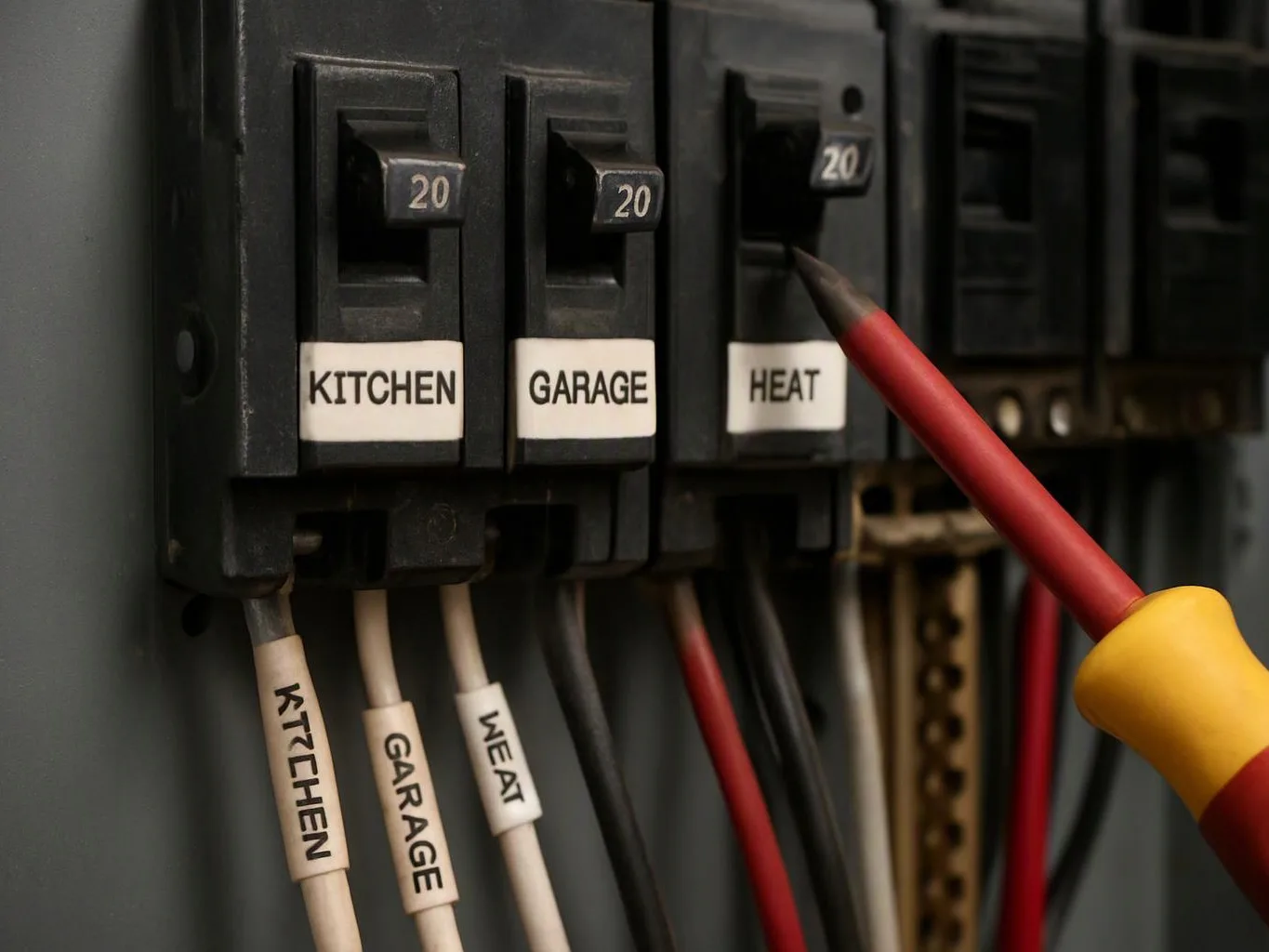
Electrical Troubleshooting can trace a tripped breaker to the affected circuit and possible faults. We'll check the problem and explain the repair.
We look at the equipment and wiring on the affected circuit. Our findings help us plan a safe repair. If you notice heat or smoke, leave and call emergency services.
Getting Help and Understanding Your Estimate
Our estimate depends on the affected equipment and the repair scope. Tell us about the warning signs and what equipment is affected. We'll explain what our estimate covers and the work we recommend.
Free Estimates Available. Contact Center Electric Service to request an estimate after the immediate danger is under control.
Get a Free EstimateWhat Are the Key Specifications to Know?
- Topic Focus
- What Is an Electrical Emergency? A Guide to Warning Signs and Getting Help
- Related Core Service
- Emergency Electrician
- Evaluation Method
- On-Site Inspection & Written Scope
- Compliance Standard
- Local Building Code & Manufacturer Specs
How Does the Evaluation & Execution Process Compare?
| Evaluation Stage | Technical & Quality Criteria | Timeline Checkpoint |
|---|---|---|
| Initial Diagnostic & Assessment | Identify root cause, site constraints & code requirements | Before any work begins |
| Written Scope & Option Comparison | Compare repair vs. replacement tiers & material grades | Prior to project approval |
| Code-Compliant Execution | Follow manufacturer specs & local permitting standards | During active service |
| Final Verification & Walkthrough | Verify installation alignment, performance & clean site handoff | Upon project completion |
Related Resources
Emergency Electrician vs Regular Electrician: When Can Electrical Repairs Wait?
Compared ToCircuit Breaker Repair vs Replacement: What Are the Options?
What It CostsEmergency Electrician Cost Factors: After-Hours Calls and Repairs
How It WorksWhat Happens During an Emergency Electrician Visit?