When to Schedule an Electrical Safety Inspection
Electrical safety inspections should be scheduled when warning signs appear, after major electrical changes, before buying a property, or when damage is suspected; Center Electric Service checks the electrical system and identifies conditions that need attention.
Get a Free Estimate
When Should You Schedule an Electrical Safety Inspection?
An electrical safety inspection should be scheduled when warning signs, recent electrical work, property changes, or suspected damage raise concerns about system safety.
An electrical safety inspection is a property safety assessment that checks whether the electrical system is operating safely. We inspect visible and accessible parts of the system, look for electrical hazards, and explain which conditions need attention.
A homeowner can request an inspection after a power problem, home remodeling, or a change in how the property is used. Our team can also connect the inspection to Electrical Safety Inspection service when you need a closer review.
Warning Signs That Call for an Electrical Safety Inspection
Warning signs show that an electrical safety check may be needed before a small fault becomes a larger safety issue. We use the details you notice to guide our inspection and electrical troubleshooting.
Stop using a damaged or overheating component and keep people away from it. We perform the fault finding needed to identify the cause without asking you to open electrical equipment.
Situations That Make an Inspection Especially Important
An older electrical system deserves an inspection when its condition, capacity, or past repairs are unclear. We review the electrical panel, branch circuits, and visible wiring for signs that the system needs repair or improvement.
A home purchase is a strong reason to schedule an electrical inspection before the transaction is complete. Our findings can help you understand safety concerns that may not be clear during a general property review.
Home remodeling can change circuit loads and expose hidden wiring problems. We inspect the electrical work affected by the project and check whether the planned use may create an overloaded circuit.
Storm damage and water damage can affect wiring, equipment, grounding, and protective devices. We inspect affected areas before power is used again when damage is suspected.
What We Check During an Electrical Safety Inspection
An electrical safety inspection checks the electrical panel, protective devices, wiring, and points where people use electricity. We look for unsafe conditions and explain the repair recommendation for each finding.
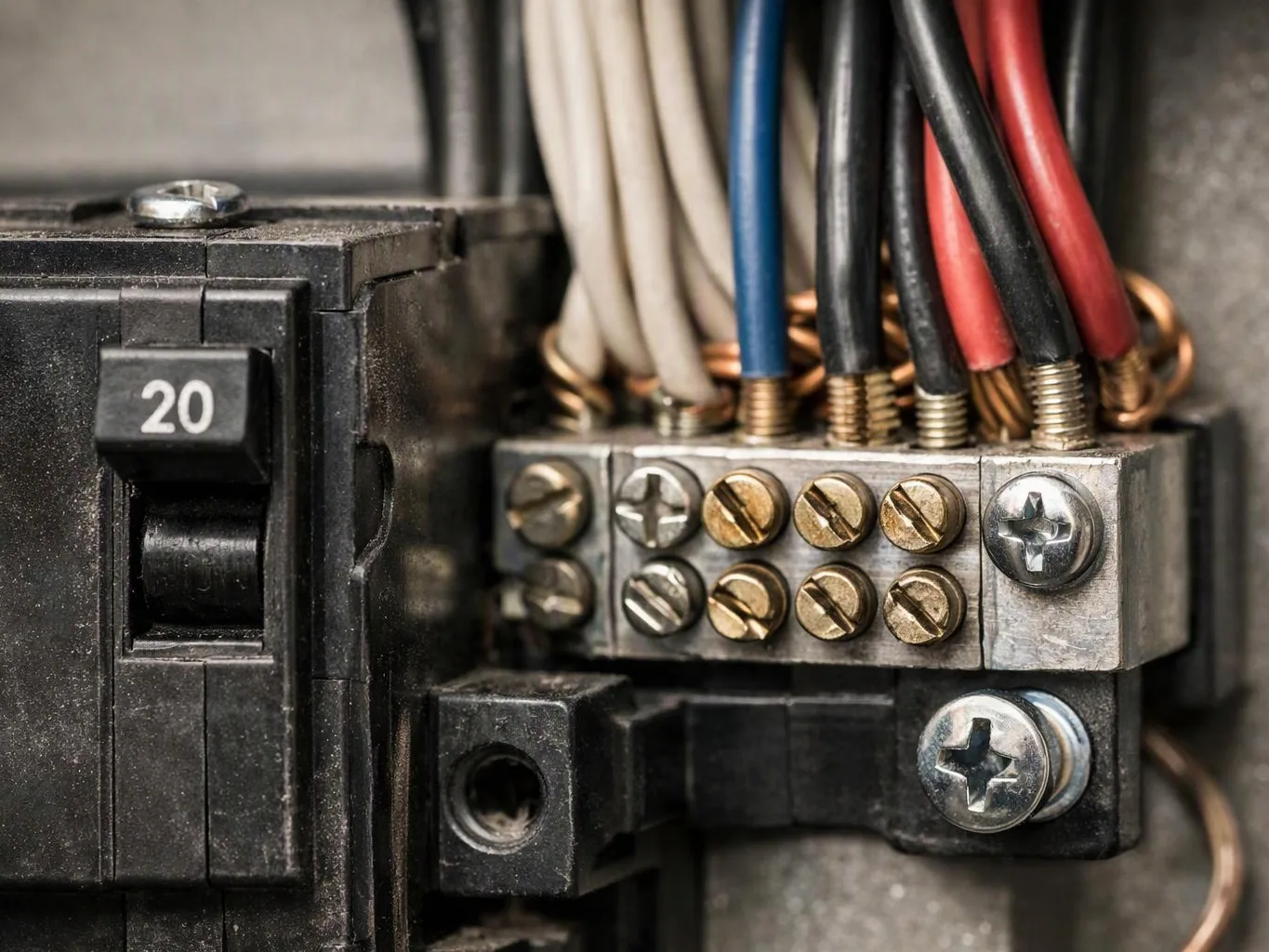
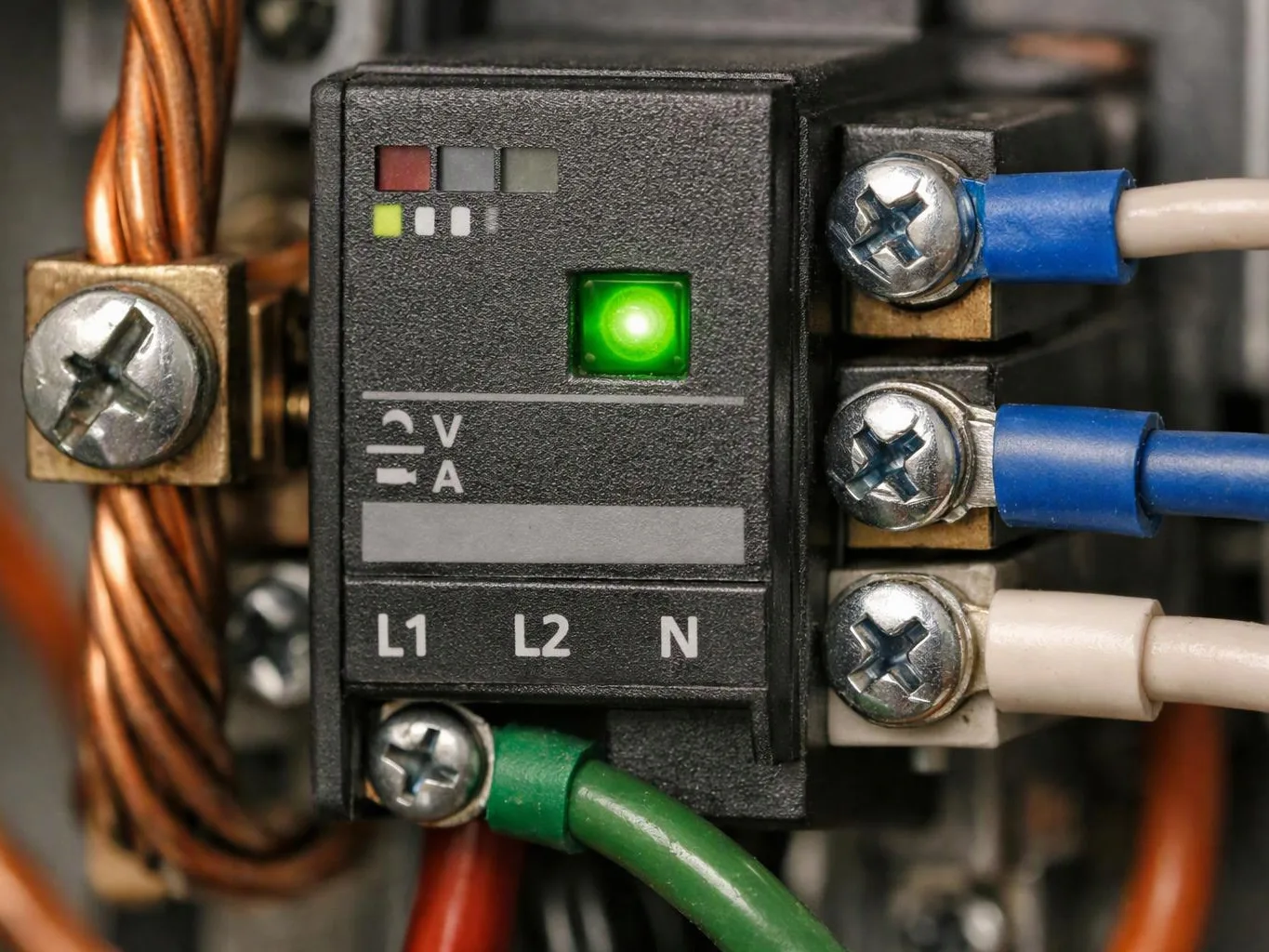
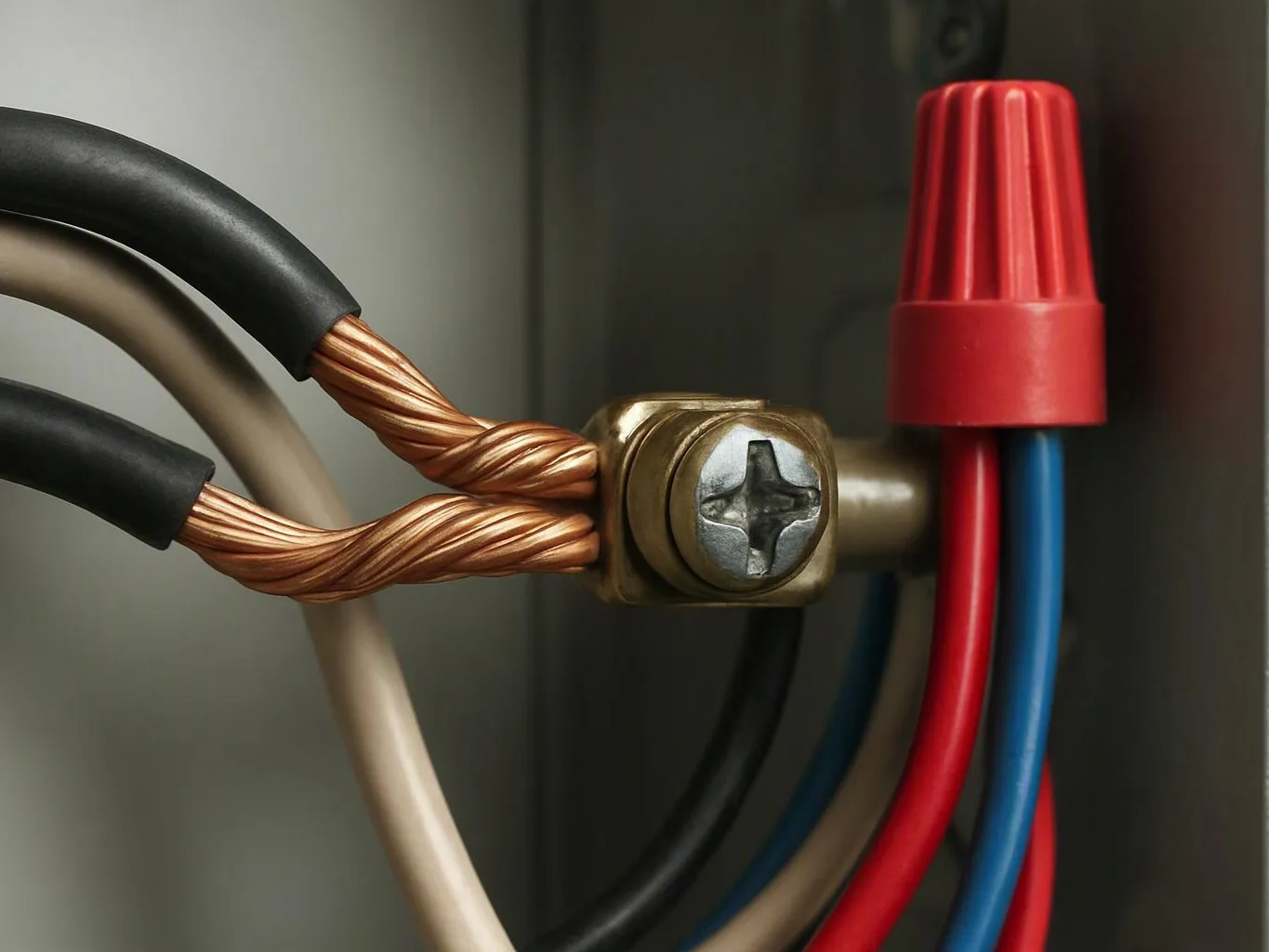
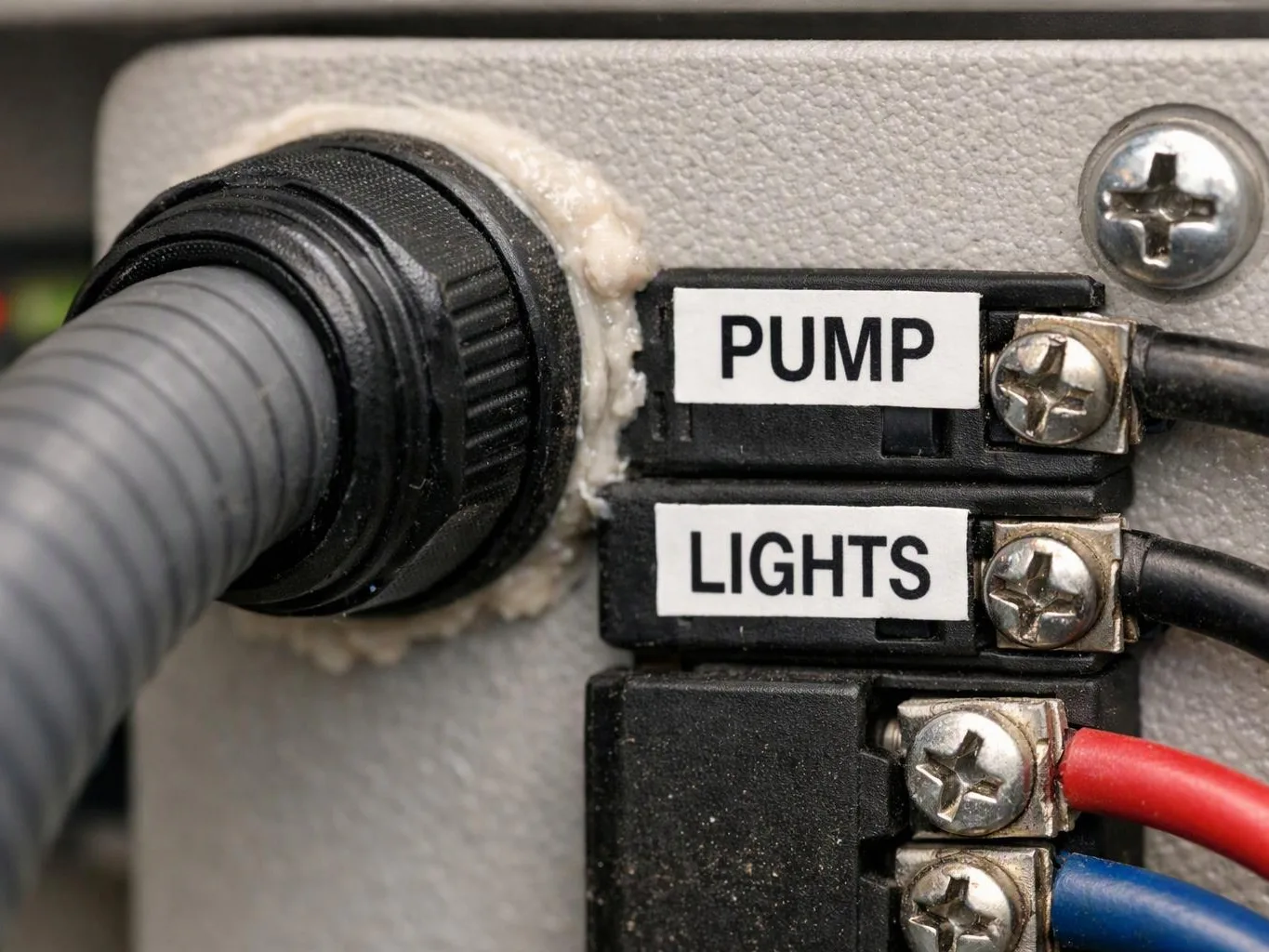
Our inspection may include the condition and labeling of the electrical panel, circuit breakers, branch circuits, electrical wiring, outlets, and switches. We also review grounding and bonding to help confirm that fault current has a safe path.
We check GFCI protection in areas where ground-fault protection is needed and review AFCI protection where it applies to the system. We also consider visible electrical code compliance and signs of loose connections, circuit overload, or damaged insulation.
The inspection can include an electrical panel inspection, wiring inspection, outlet inspection, GFCI inspection, and AFCI inspection when those parts are present and accessible. We use electrical troubleshooting when a symptom needs more testing to identify its source.
What You Can Check Yourself and When to Call Us
Homeowner visual checks can help you note warning signs, but Center Electric Service should inspect unsafe, damaged, overheating, or repeatedly failing electrical components. You can record where a symptom appears and when it occurs without removing covers or testing live parts.
Electrical troubleshooting requires safe testing and an understanding of the electrical system. We handle the inspection when the issue involves a circuit breaker, wiring, outlet, switch, panel, grounding, or another electrical hazard.
| Factor | What you can do yourself | What we do |
|---|---|---|
| Visible warning signs | Note flickering, heat, odors, sounds, or discoloration from a safe position. | Inspect the affected component and trace the related circuit. |
| Repeated power problems | Record which appliance, outlet, or room is involved. | Perform electrical troubleshooting to identify the cause. |
| Damaged equipment | Stop using the area and keep children away from it. | Inspect for shock, heat, wiring, and fire hazards. |
| Electrical safety inspection | Provide property history and point out concerns. | Check accessible electrical components and explain findings. |
What Happens After an Electrical Safety Inspection?
Inspection findings show which electrical conditions need attention and which areas appear to be operating safely. We explain each finding in plain language and connect it to the part of the electrical system involved.
Safety recommendations may include electrical repairs, further electrical troubleshooting, or monitoring of a condition. Our team sets repair priorities by considering the safety issue, the risk of continued use, and the work needed to correct it.
If you request an estimate, we describe the work covered, the materials that may be needed, and the conditions that could affect the final scope. Free Estimates Available for recommended electrical work.
How to Arrange an Electrical Safety Inspection
An inspection request gives our team the details needed to plan the electrical safety check. Share the symptoms, property history, and access details so we can focus on the areas that concern you.
Questions About Electrical Safety Inspections
Should I get an electrical inspection before buying a house?
Yes, an electrical inspection before a home purchase can reveal unsafe wiring, panel concerns, grounding problems, and other conditions that may not be visible during a general property review. Center Electric Service checks accessible parts of the electrical system and explains needed repairs.
Should an electrical inspection follow a remodel?
Yes, an electrical inspection should follow a remodel when the project changed wiring, circuits, outlets, switches, or electrical loads. We review the affected work and look for unsafe connections, overloaded circuits, and code compliance concerns.
Can an electrical inspection identify the cause of a tripping breaker?
Yes, an electrical inspection can identify some causes of a tripping breaker, including an overloaded circuit, damaged wiring, a faulty device, or a breaker problem. We use electrical troubleshooting to trace the issue safely.
What should I do if an outlet smells like it is burning?
Stop using the outlet, keep away from heat or smoke, and contact Center Electric Service for an inspection. Our crew checks for overheating, loose connections, damaged wiring, and related electrical hazards.
Is an electrical inspection needed after storm or water damage?
Yes, an electrical inspection is needed when storm damage or water damage may have reached wiring, outlets, panels, or protective devices. We inspect the affected electrical system before you resume normal use.
Schedule an electrical safety inspection when warning signs, property changes, or suspected damage raise concern about your system. Center Electric Service checks the problem area, explains the findings, and helps you plan the next step.
Request an Electrical Safety Inspection