How can a safety inspection identify electrical hazards?
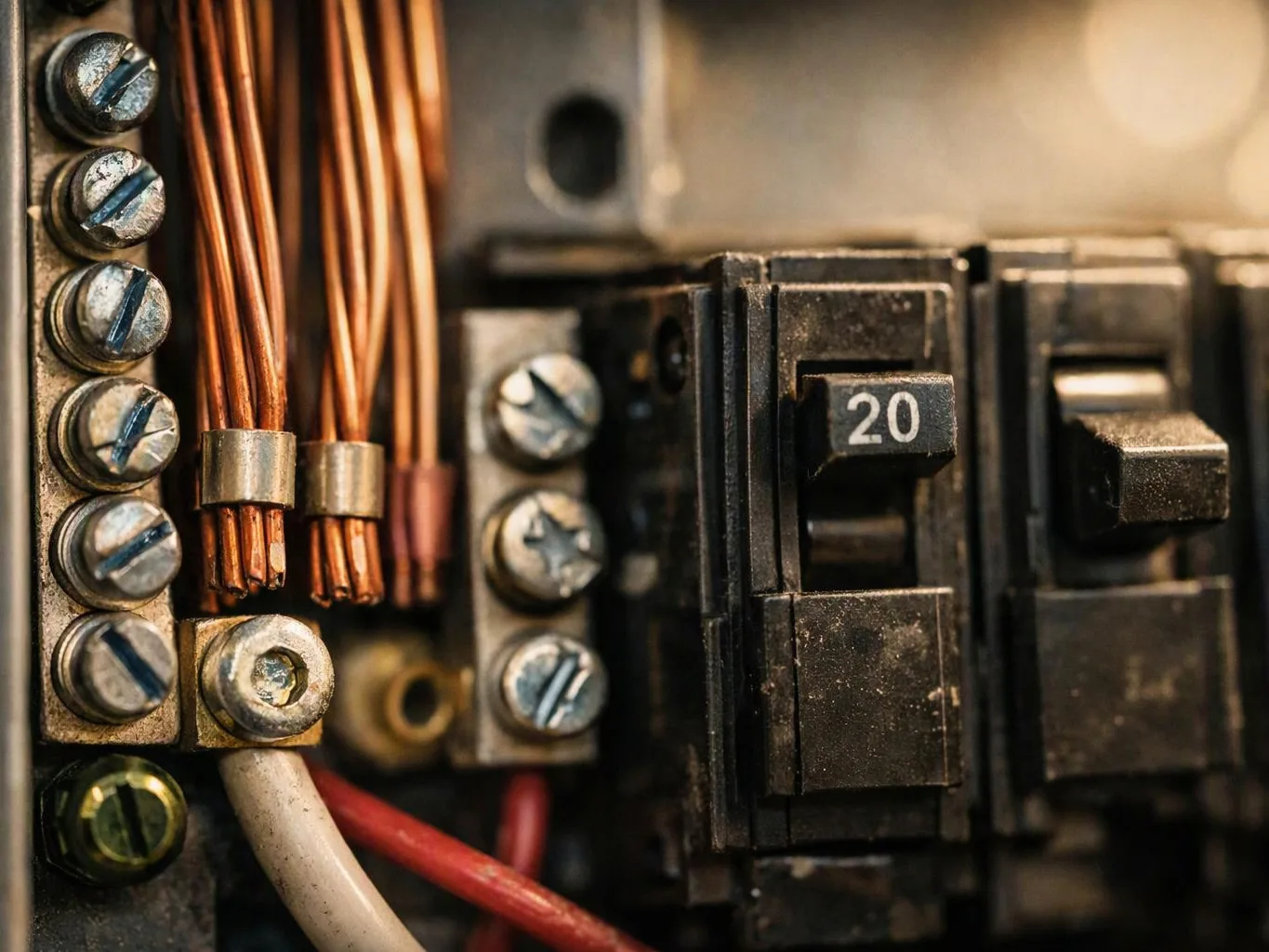
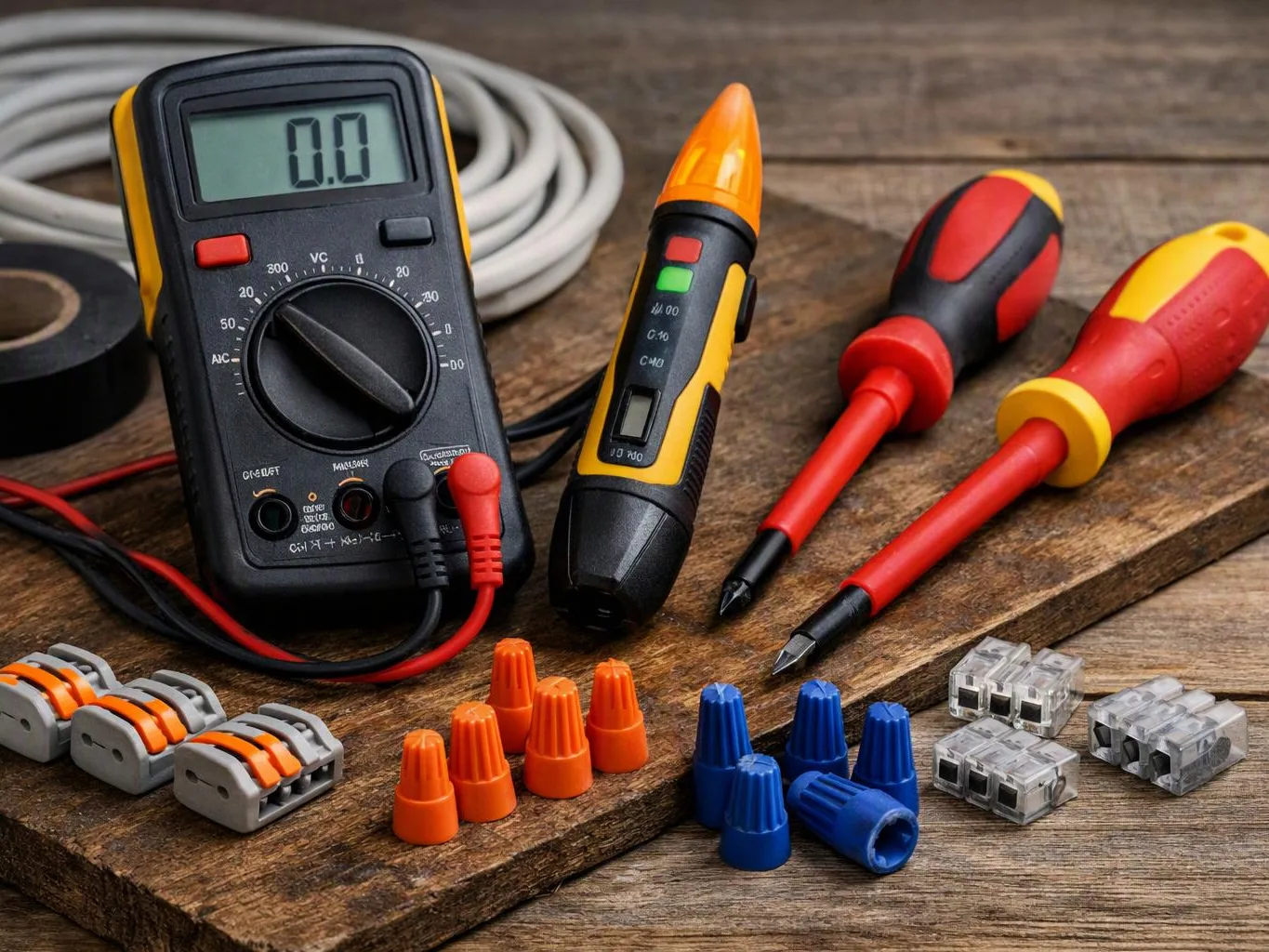
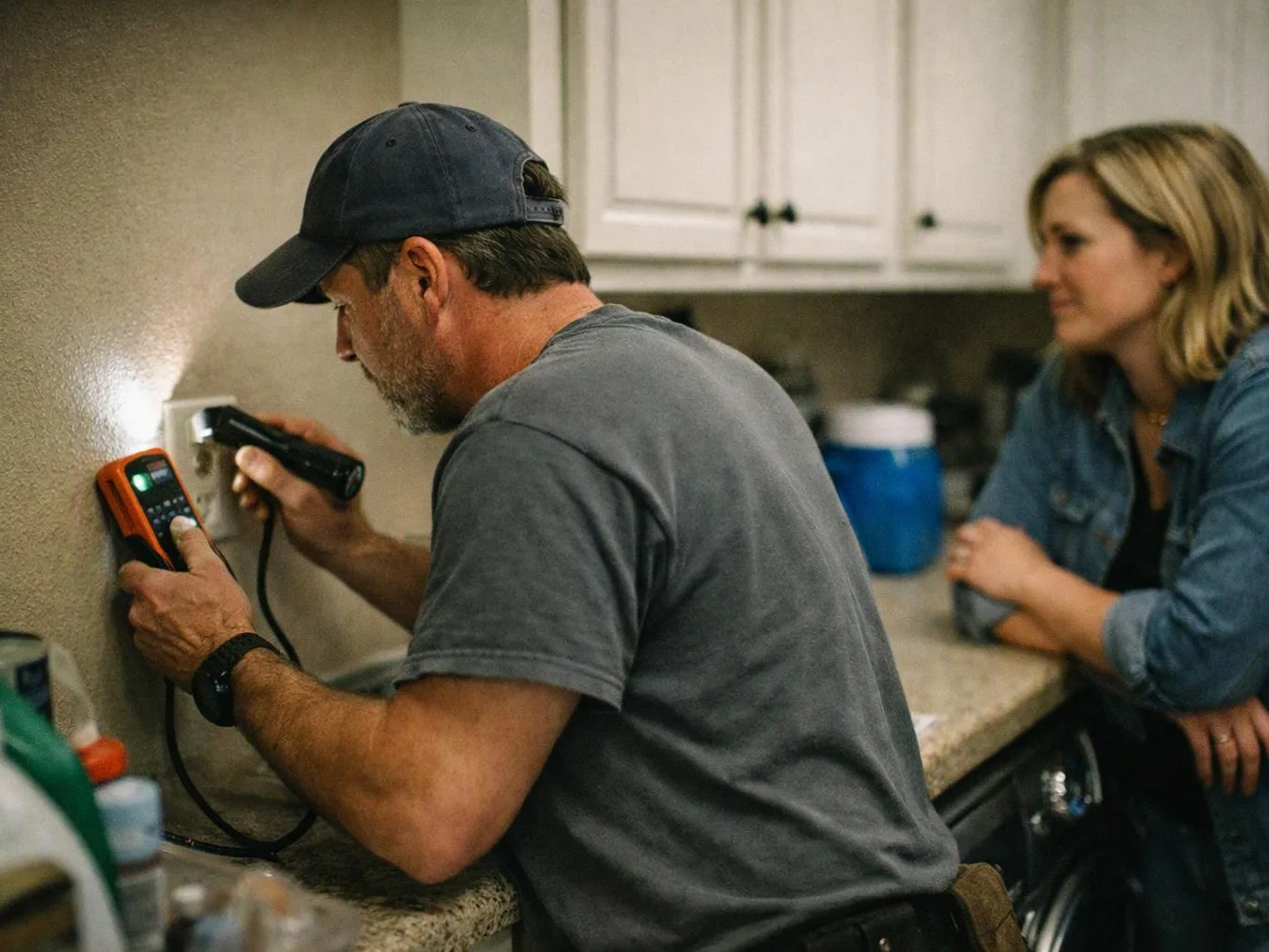
Polarity testing identifies reversed connections that can leave parts of a circuit unsafe. Center Electric Service also checks heat signs, ground paths, GFCI action, arc fault protection, breakers, and visible wiring. A visual check shows damage, while testing shows how the circuit behaves. We explain each finding and the repair decision that follows.
What should be checked before scheduling an inspection?
The reported symptom should be noted before scheduling, including flickering lights, dead outlets, heat, buzzing, or tripped breakers. Customers should stop using damaged outlets and avoid opening panels. Photos of the outlet, panel, or warning sign can help us understand the request. We then set the inspection scope.
Who is a good fit for this safety check?
Homeowners, buyers, property managers, and businesses are good fits for a safety check. The service suits customers who need system findings before choosing repairs. An active failure that needs immediate replacement calls for a repair scope. We can explain which service matches the problem.
What happens at each stage of the inspection?
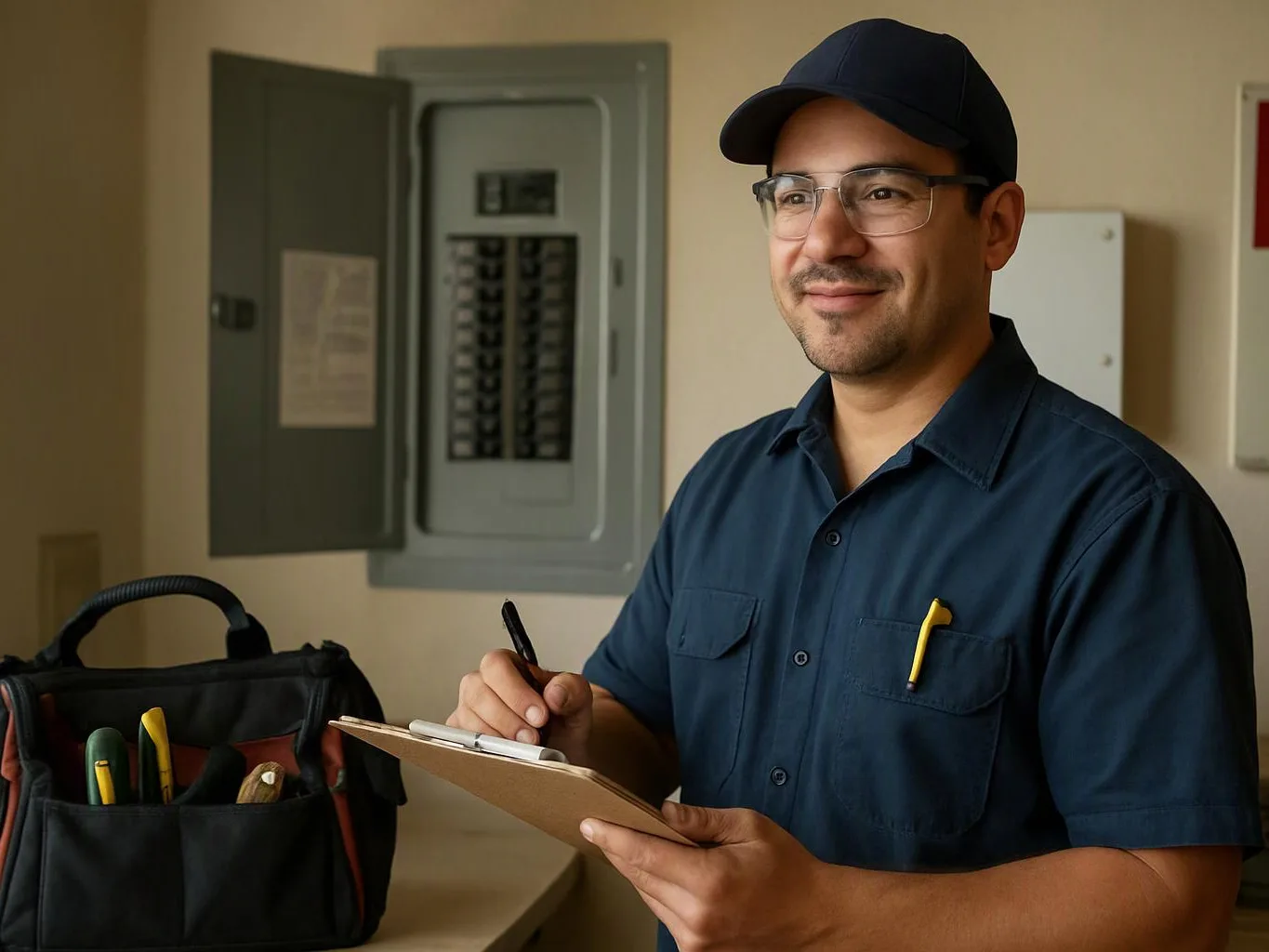
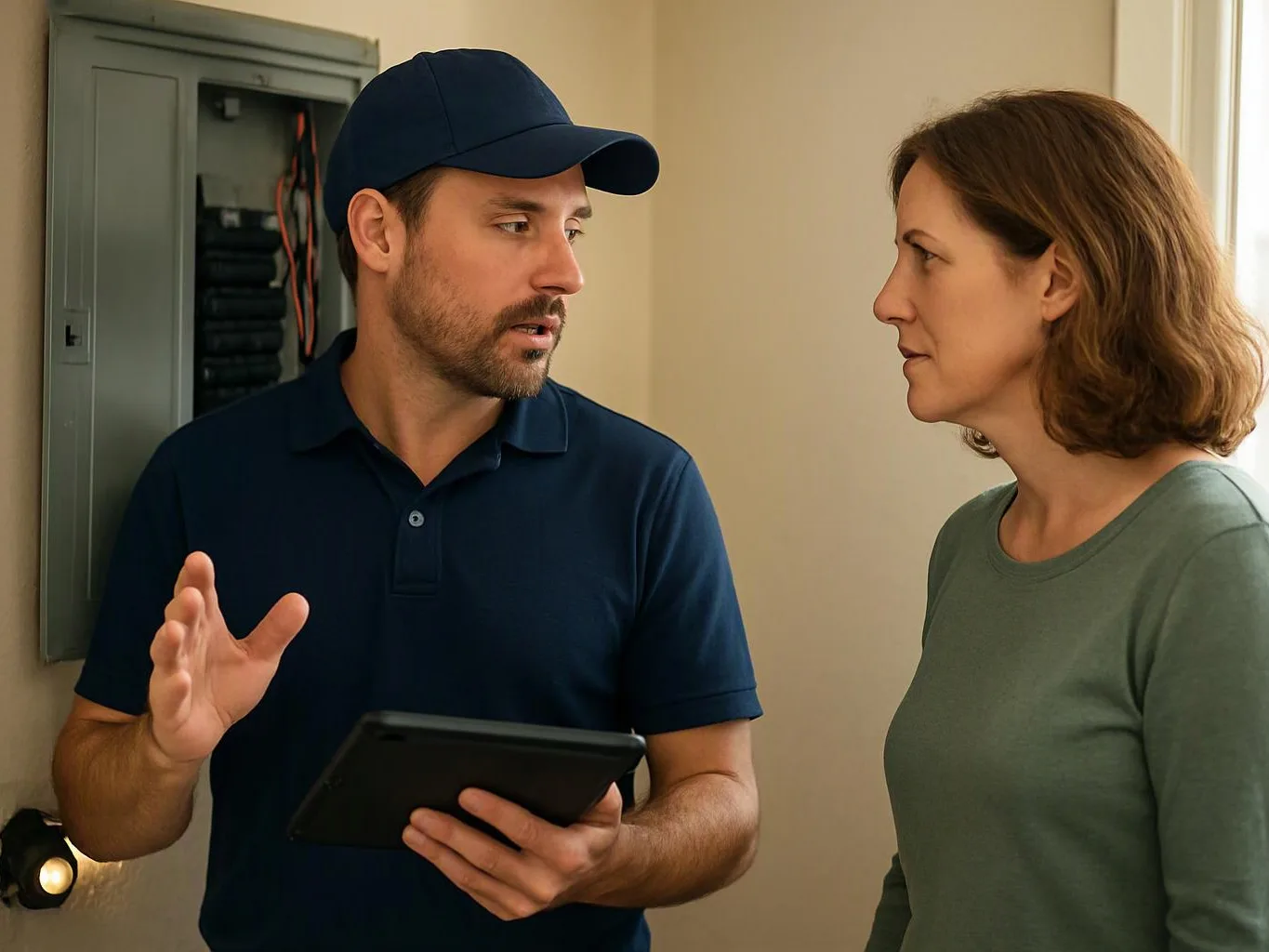
The inspection starts with the reported symptom, moves to a visual check, then uses circuit and device tests. We check panels, breakers, outlets, wiring, ground paths, GFCI devices, and supported arc fault protection. The final discussion separates safety findings from repair work and explains the next step.
Which warning signs make an electrical check urgent?
A burning smell, sparking outlet, buzzing panel, or warm switch plate makes the check urgent. Stop using the affected circuit and keep clear of damaged parts. Our 24/7 emergency electrical response handles urgent calls, while the inspection identifies the source and the work needed.
Why do GFCI outlets trip during normal use?
GFCI outlets trip when they sense an unsafe difference in current flow. Moisture, a damaged appliance, wiring faults, or a failed device can cause the trip. We test the GFCI, check connected outlets, and trace the circuit. Customers should not keep resetting a device that trips again.
How does inspection work for a business property?
A business inspection checks electrical parts that affect staff, equipment, work areas, and customer access. We review panels, circuits, outlets, lighting, and safety devices. Owners should share areas with downtime concerns and any past repair notes. We then explain findings and separate urgent hazards from planned upgrades.