How can an electrician respond to dangerous electrical problems?
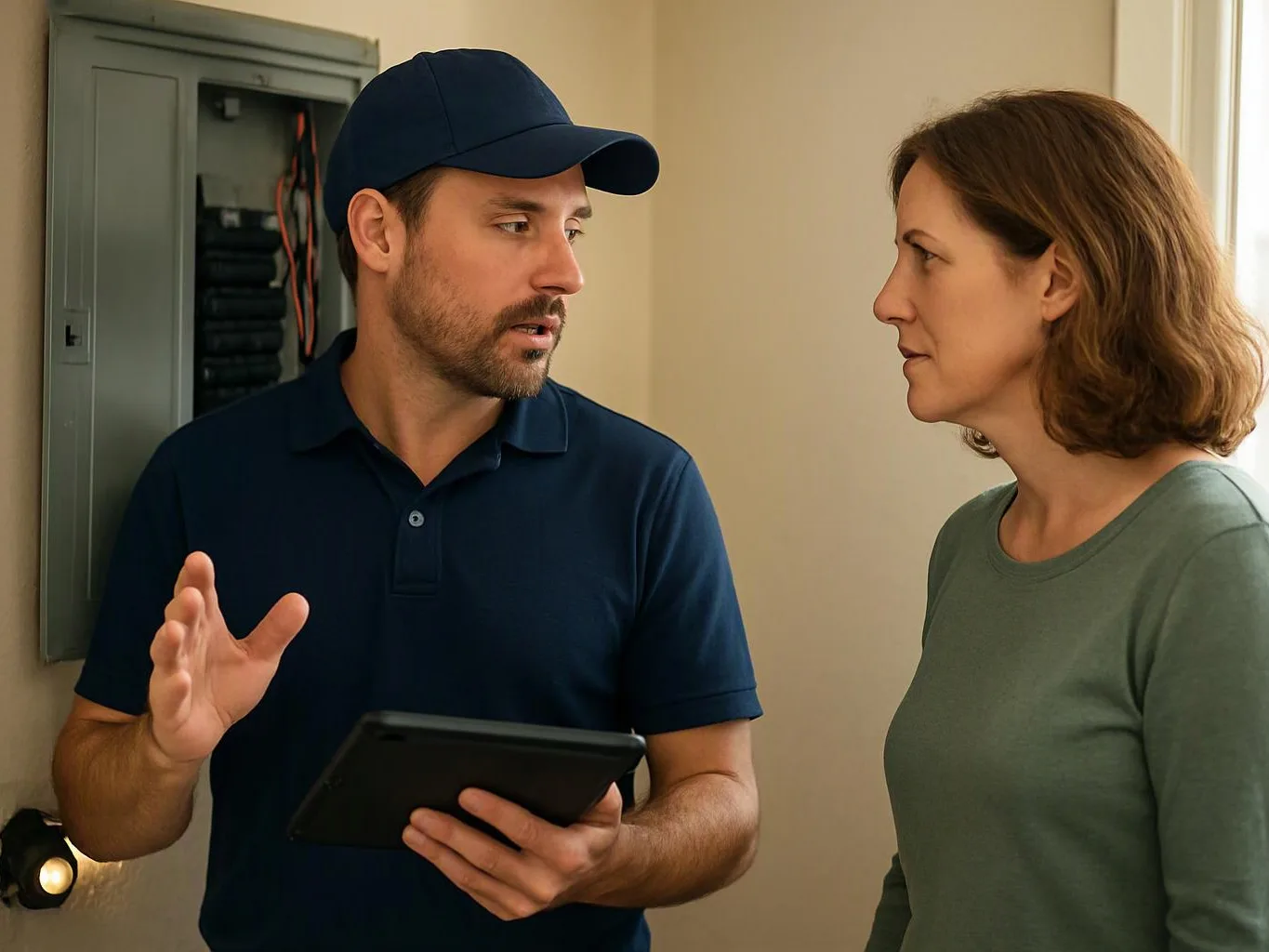
Circuit shutdown lets Center Electric Service control a dangerous fault before repair work begins. We isolate the affected circuit, inspect the panel and wiring, test the fault, and set the repair scope. Burning smells, buzzing panels, sparks, and repeated breaker trips need careful handling. Keep clear of damaged parts and share the main symptom when you request service.
What should be checked before emergency electrical service is scheduled?
The main symptom, affected area, panel status, and visible damage should be checked before scheduling. Customers should note whether the issue involves a breaker, outlet, light, appliance, or full power loss. Safe photos can help, but don't touch exposed wires or hot parts. We use these details to prepare for the right type of electrical fault.
Which problems need an emergency electrician instead of planned electrical work?
Sparks, burning smells, hot outlets, exposed wires, and repeated breaker trips need urgent electrical attention. A planned service fits upgrades, new lights, remodeling, and other work without an active hazard. We check the symptom first and explain whether the job needs fault control, repair, or a separate planned visit.
When can a tripped breaker point to a larger panel problem?
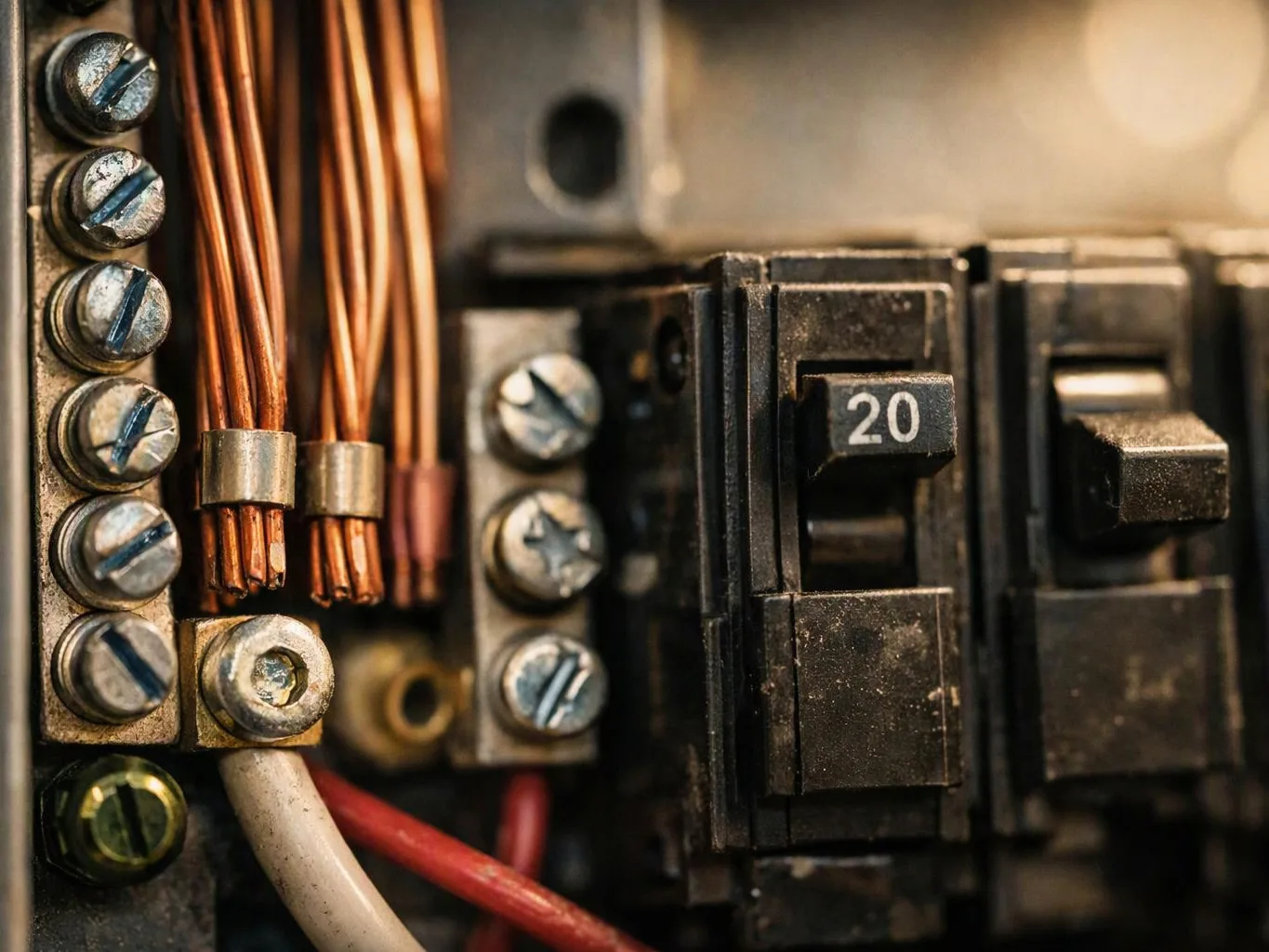
A tripped breaker can point to a larger panel problem when it trips again, feels hot, buzzes, or shows damage. We inspect the breaker, bus connection, circuit wiring, and connected load. Customers should stop resetting the breaker when the symptom repeats. The test results guide repair or panel work.
Why do lights flicker when other equipment runs?
Flickering lights can result from a loose connection, overloaded circuit, failing fixture, or panel fault. We check the timing, affected lights, switches, breakers, and nearby loads. Customers should stop using equipment that causes heat, sparks, or a burning smell. The inspection shows whether the issue is limited or needs wider circuit work.
What happens at each stage of an emergency electrical repair?
Emergency electrical repair starts with symptom details, then moves through isolation, testing, repair planning, and verification.
- We identify the affected area and immediate hazard.
- We isolate the circuit when needed.
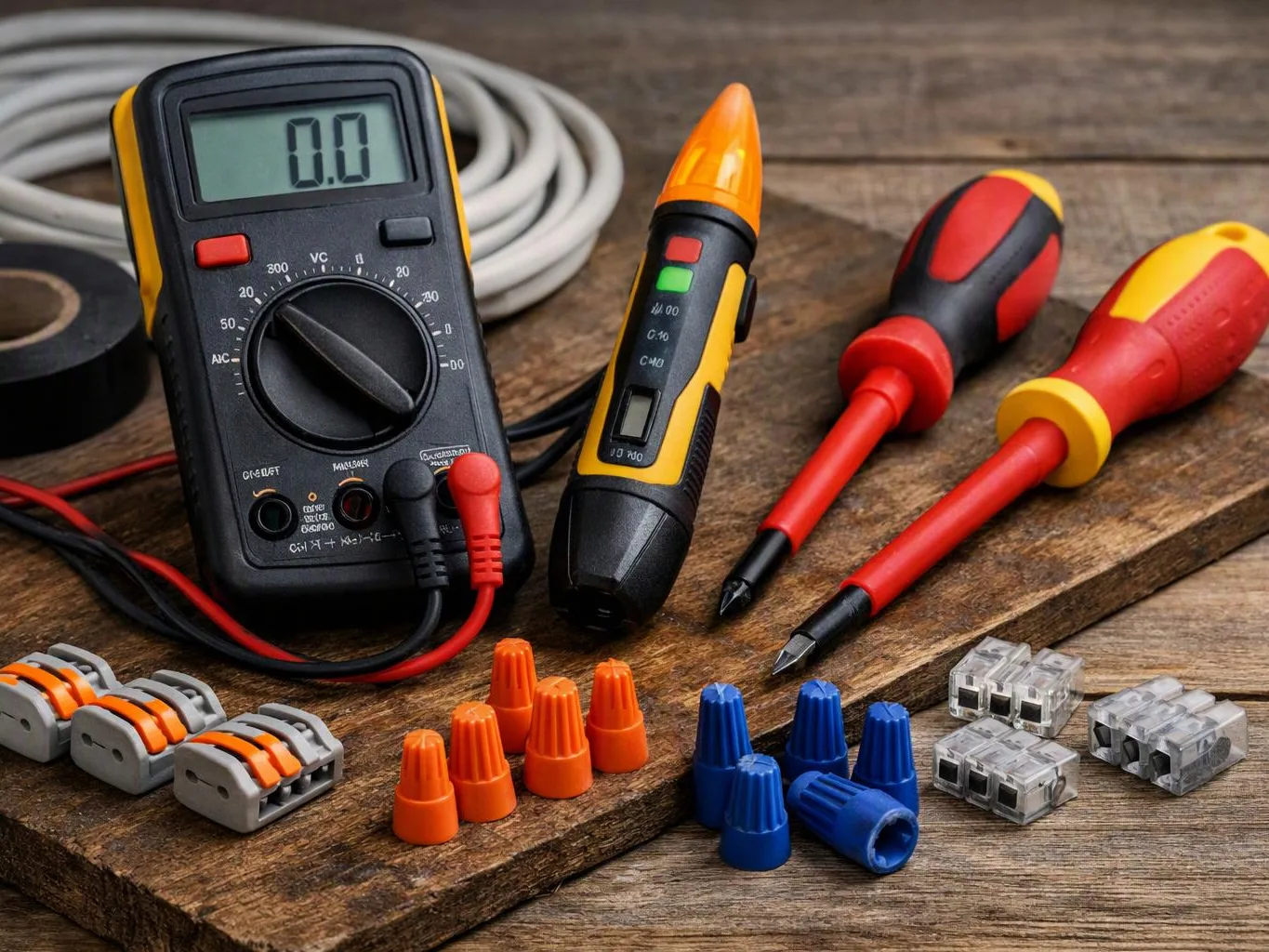
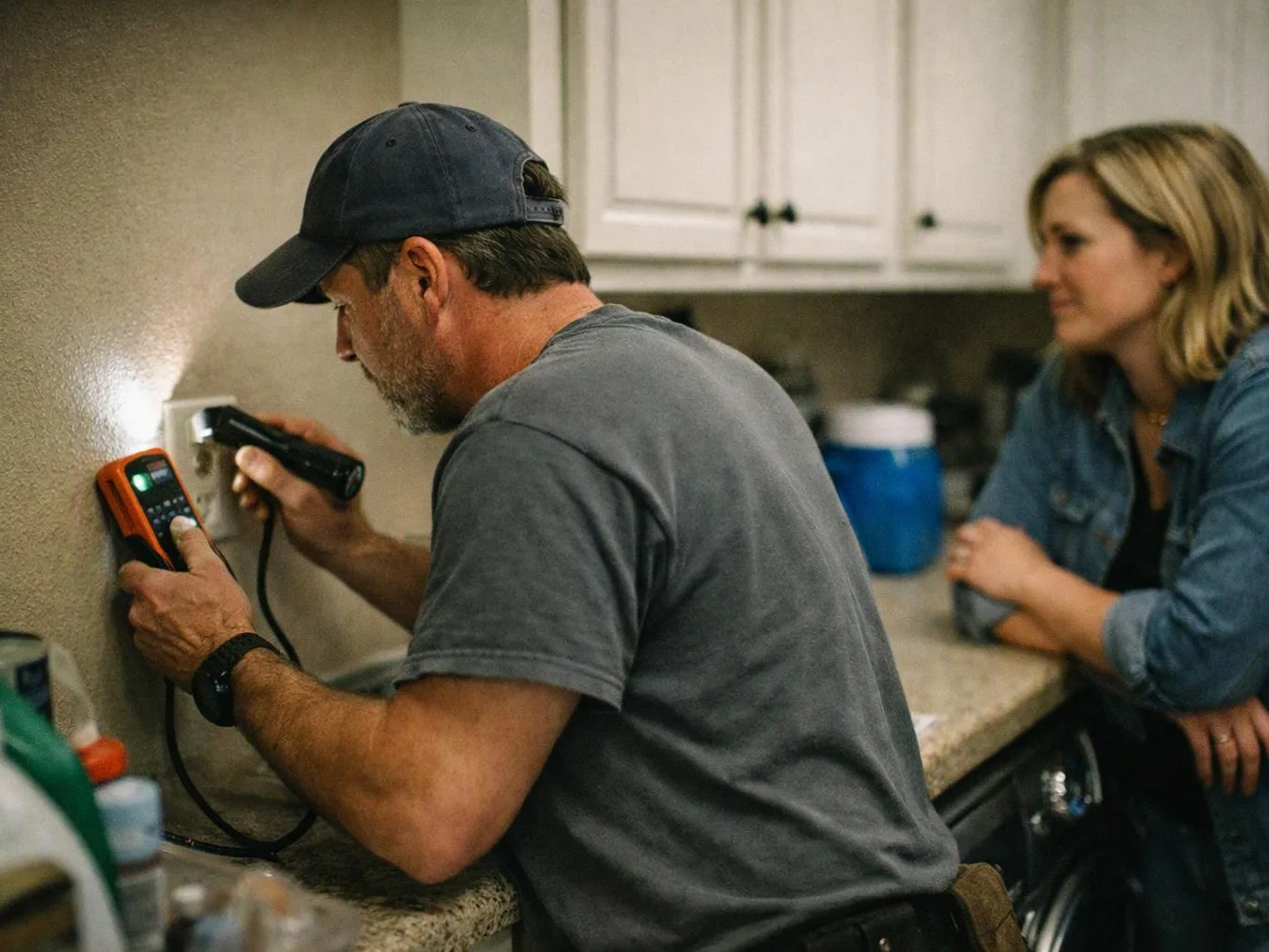
- We trace and test the fault.
- We explain the repair scope.
- We test the repaired area before normal use.
Who is a good fit for emergency electrical service, and who needs another service?
Homeowners, tenants, property managers, and businesses with an active electrical fault are good fits for emergency service. Center Electric Service handles breaker faults, wiring issues, dead outlets, power problems, and unsafe electrical symptoms. A utility outage or a non-electrical appliance failure needs the party that controls that separate problem.