What warning signs indicate an urgent electrical issue?
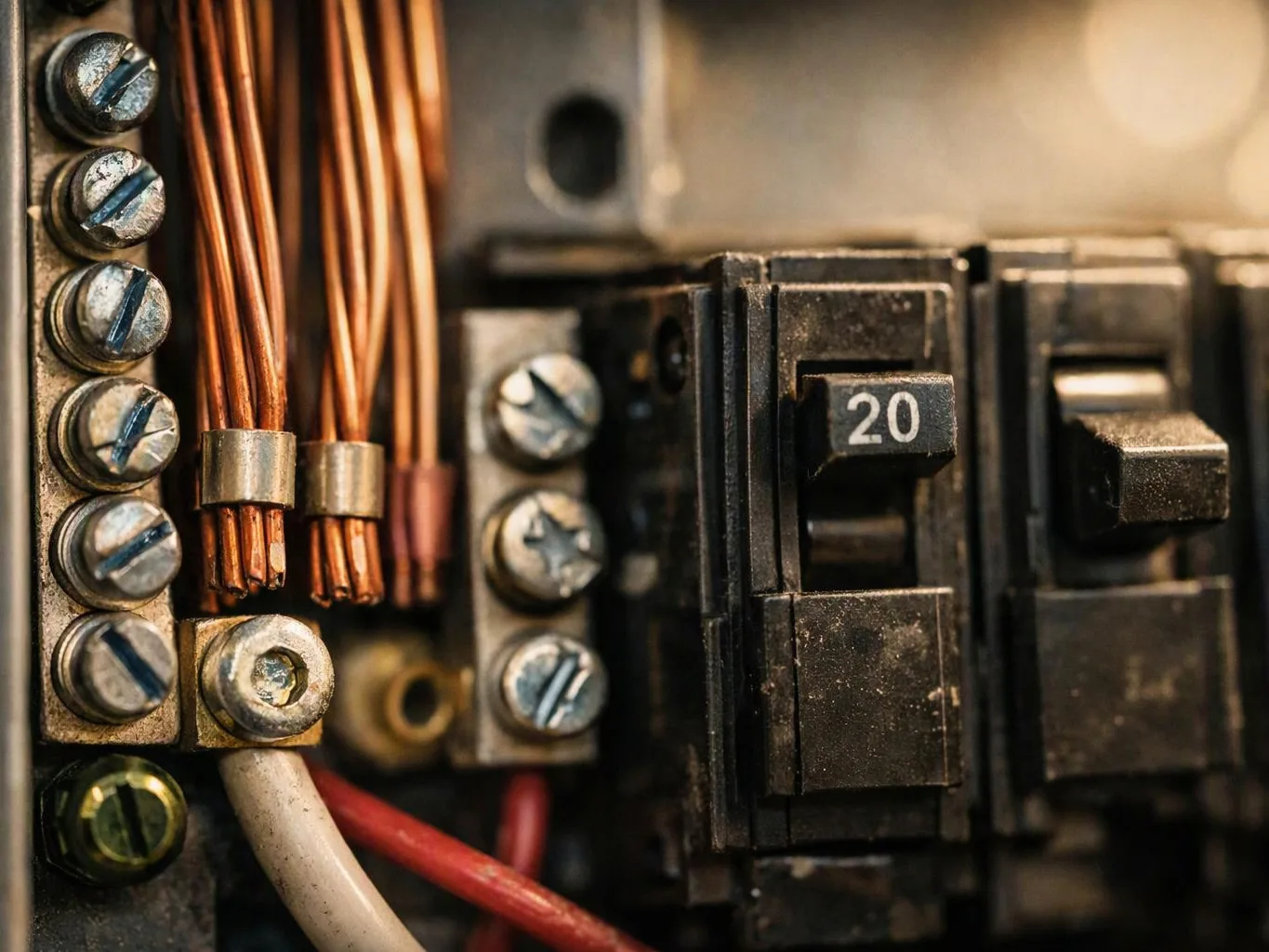
Center Electric Service treats a buzzing panel, hot receptacle, smoke damage, sparking outlet, or repeated breaker trip as an urgent warning. Stop using the affected part and keep clear when heat or smoke is present. We inspect the panel, circuit, wiring, and connected load. The repair may involve isolation, part replacement, or a wider electrical fix.
How does an emergency electrical visit move from the first call to the last step?
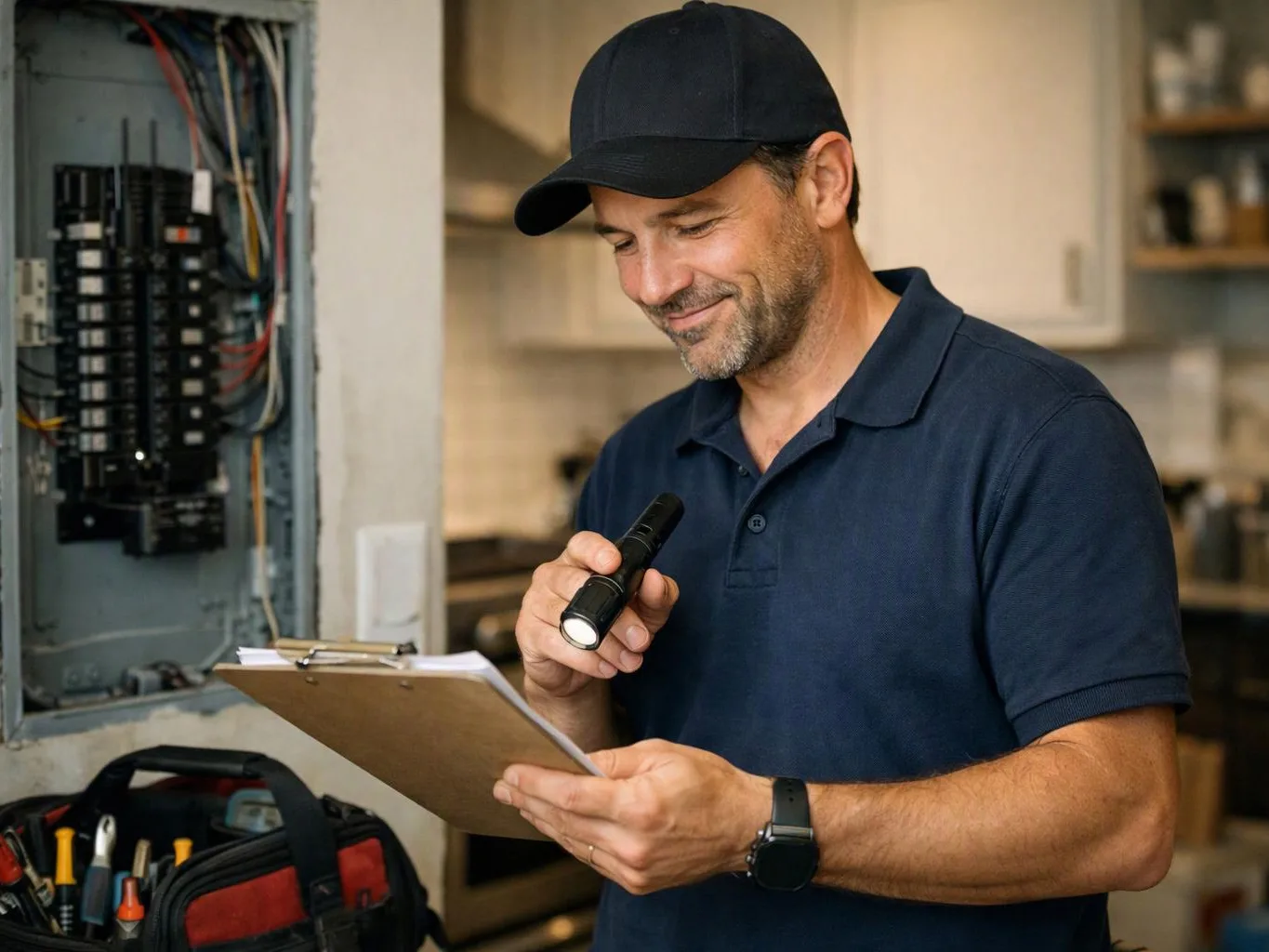
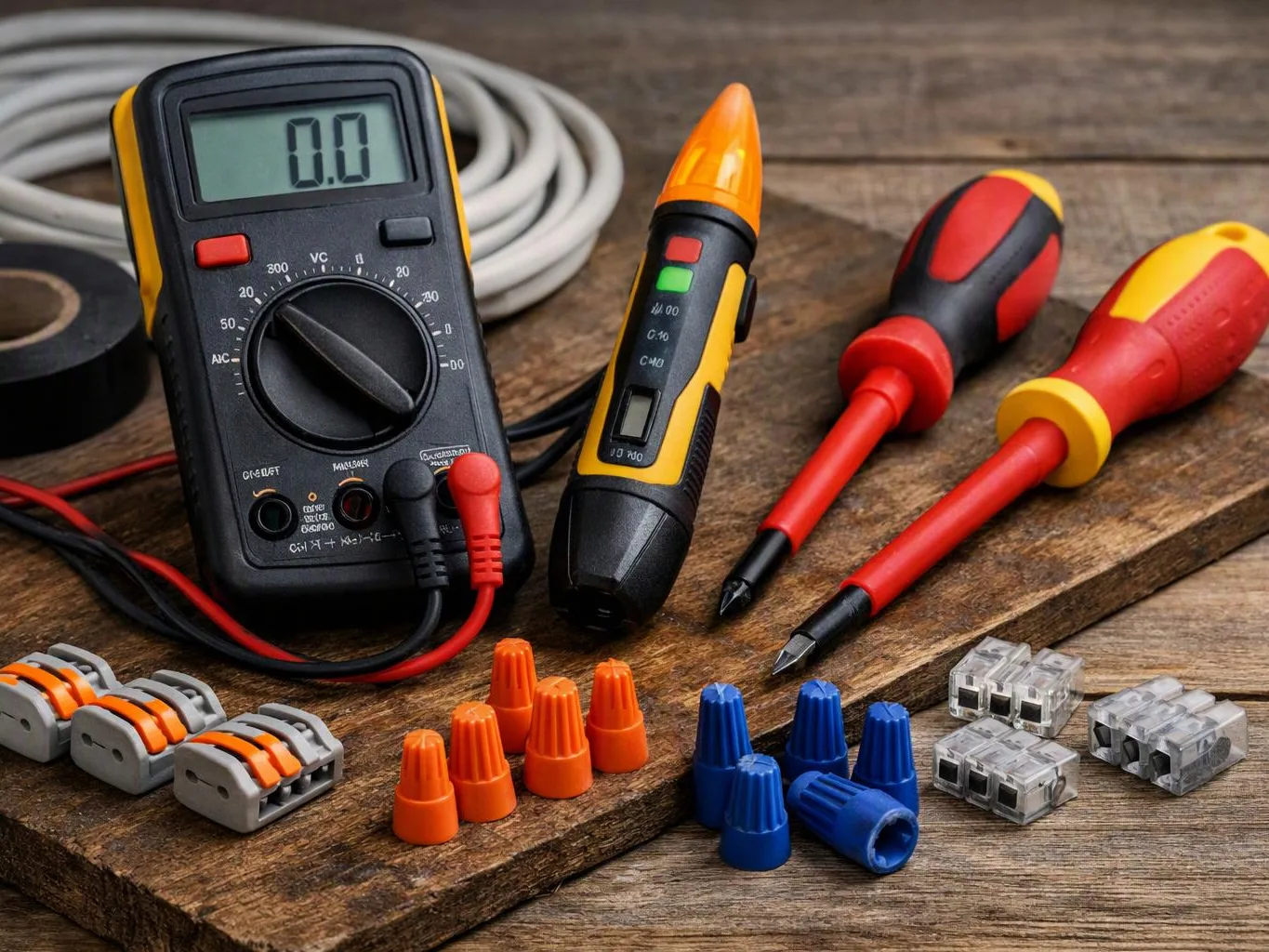
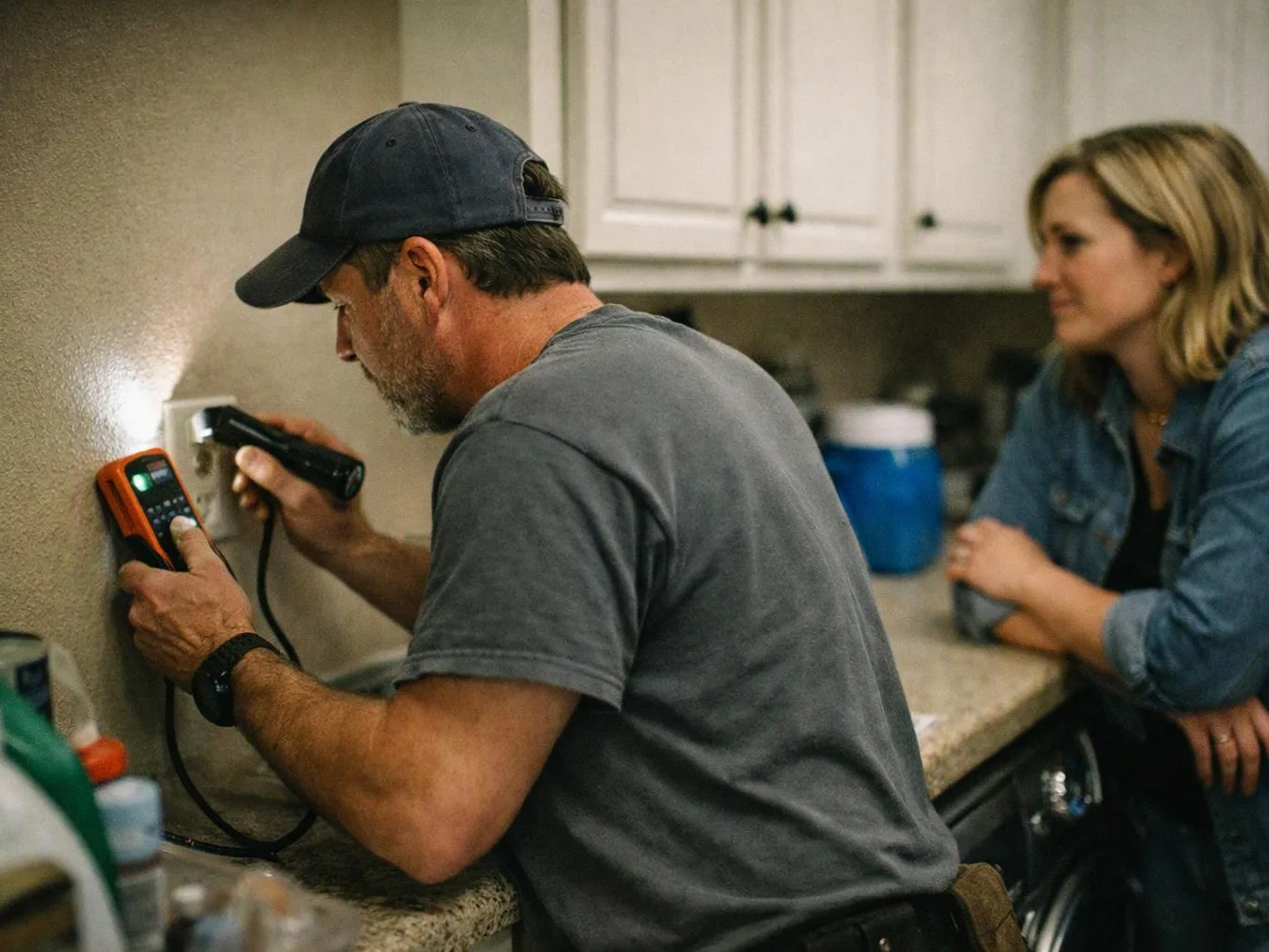
An emergency electrical visit moves from symptom review to inspection, circuit tracing, repair planning, and testing. We first record the affected room, outlet, panel, or circuit. Then we isolate unsafe parts and explain the work that fits the fault. Testing follows the repair so the next step is clear.
Which part of the property decides the repair scope?
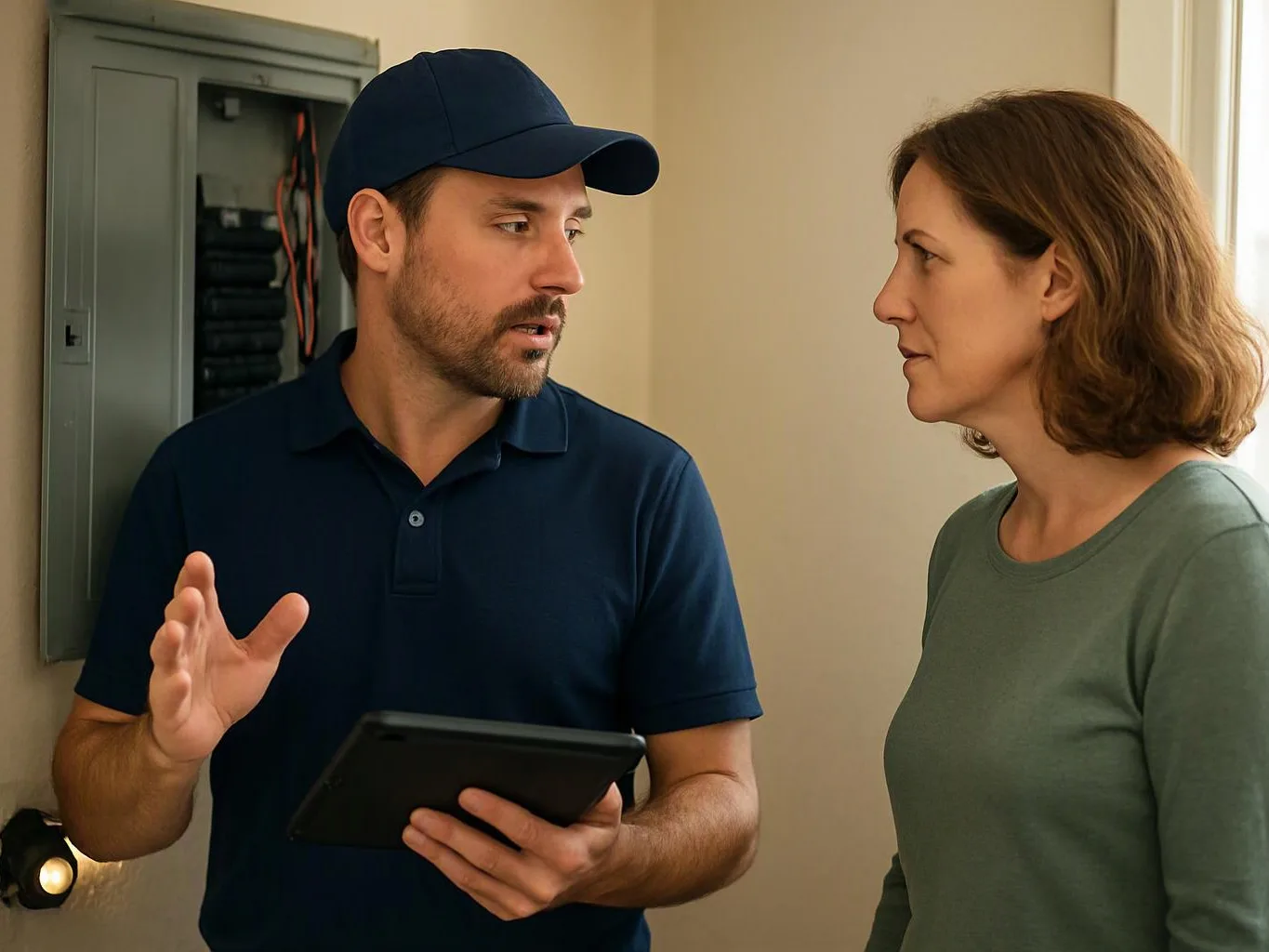
The affected circuit usually decides the repair scope. A panel fault, outlet fault, damaged wire, or connected appliance can create different work needs. Our team checks the panel, circuit path, and visible wiring before quoting the repair. A larger load or upgrade need may call for planned electrical work.
When should I stop resetting a tripped breaker?
Stop resetting a breaker when it trips again, feels hot, smells burnt, or shows damage. Repeated trips can point to a fault, overload, or damaged connection. Keep the circuit off and avoid the panel if it is unsafe to reach. We trace the circuit and check the load before setting repair work.
Why do lights flicker during normal use?
Flickering lights can come from a loose connection, failing switch, overloaded circuit, or panel fault. Note which lights flicker and whether other outlets or appliances change at the same time. We inspect the related circuit and trace the fault. Heat, smoke, or a burning smell makes the issue more urgent.
How can I tell whether urgent electrical help fits my property?
Urgent electrical help fits a property with an active fault or safety warning that affects normal use. Hot outlets, smoke marks, sparking parts, repeated trips, and dead circuits need careful checks. Planned lighting, fan, or renovation work may need a separate scope. We assess the symptom and explain the right type of work.
What should I share before requesting an electrical assessment?
The affected room, circuit, appliance, warning sign, and recent change help us assess the job. Photos can show smoke marks, heat damage, or a tripped breaker when taking them is safe. Do not touch damaged parts to gather more detail. We use the information to plan the inspection and quote.