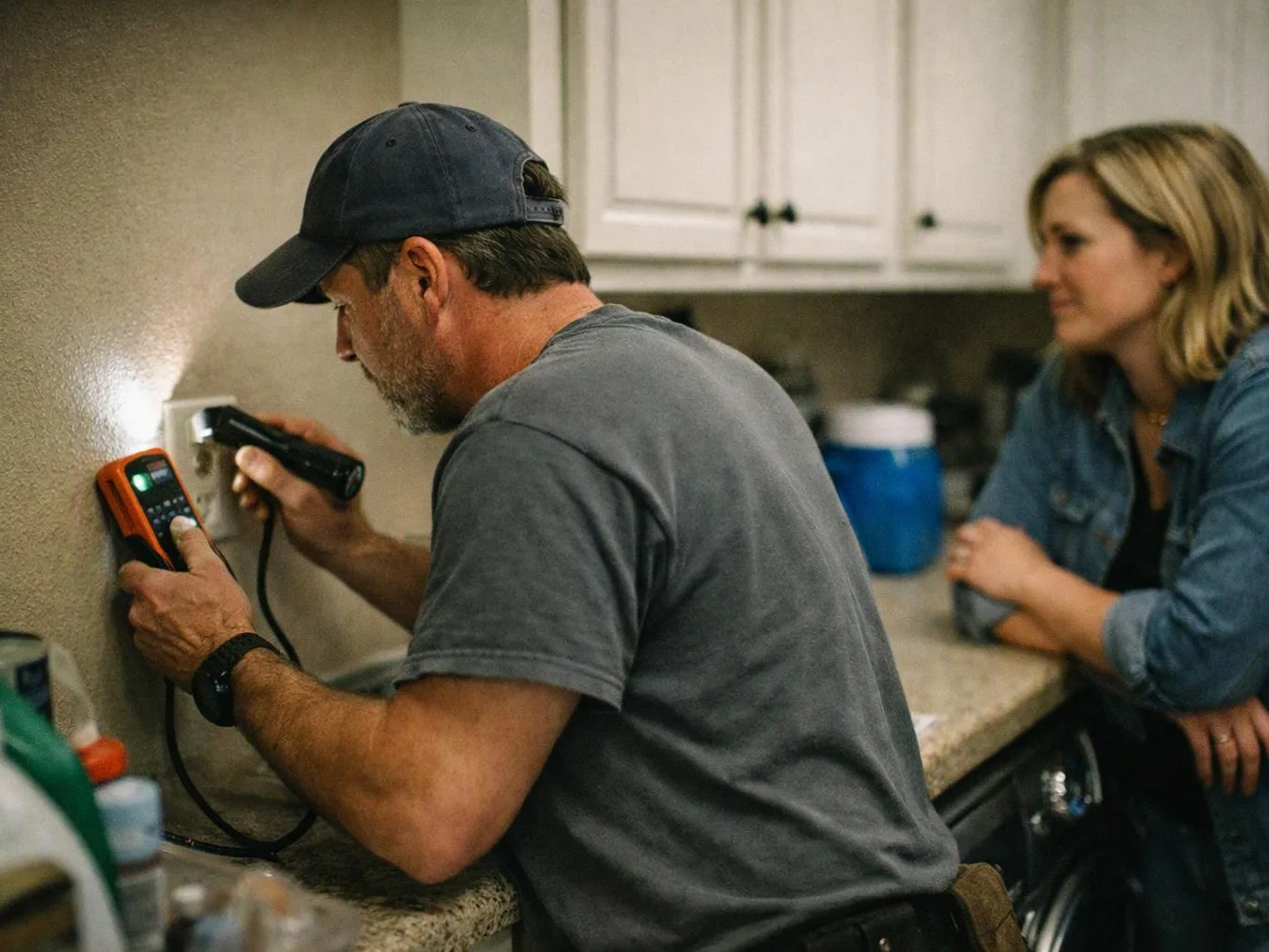
What does circuit shutdown do during a dangerous electrical problem?
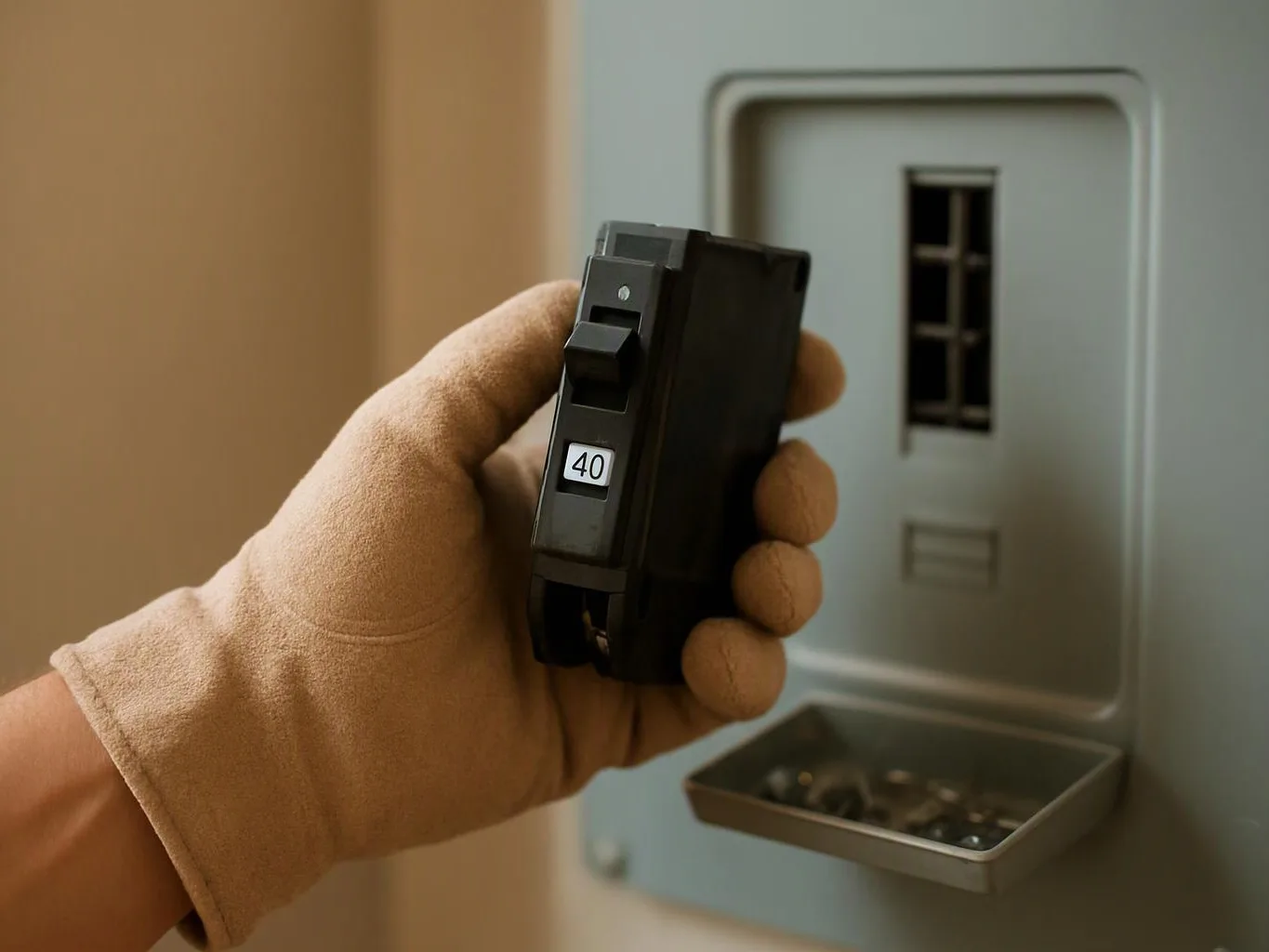
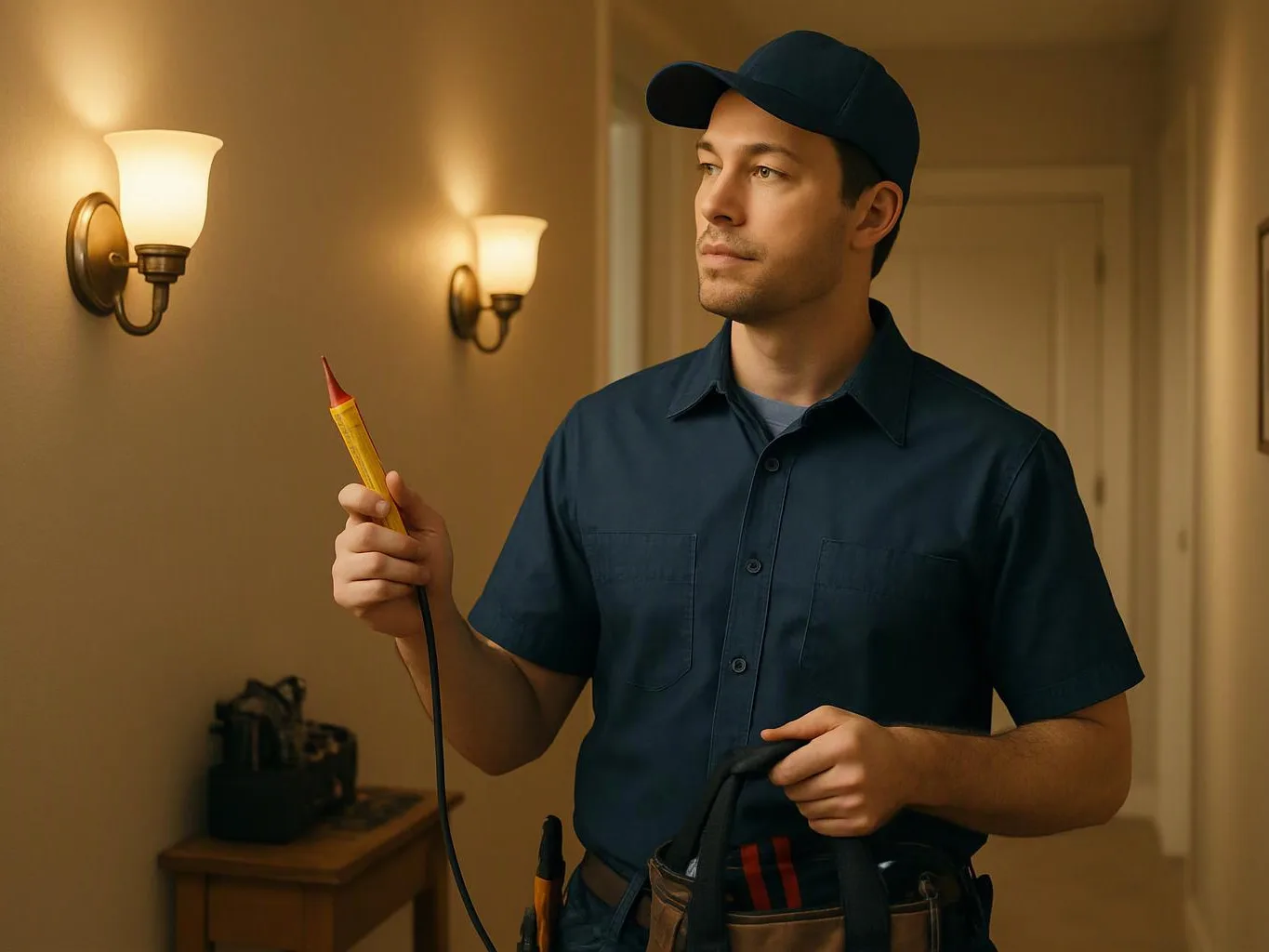
Circuit shutdown removes power from the affected path so the hazard can be checked safely. Center Electric Service identifies the circuit, isolates it when needed, and tests the panel, wiring, outlets, and connected devices. We then explain whether the next step is a direct repair, temporary repair, or planned electrical upgrade.
Who is a good fit for emergency electrical service, and who needs different work?
Center Electric Service fits homes and businesses with active electrical faults, power loss, sparking outlets, burning smells, buzzing panels, or repeated breaker trips. Planned remodels, new installations, and large upgrades need a separate work plan. We can assess the condition and explain which service fits the job.
What should be checked before emergency electrical service is scheduled?
The affected area, power status, visible damage, and warning signs should be checked before scheduling. Share whether you see smoke, heat, sparks, or exposed wires. Keep people away from the fault and avoid touching damaged parts. We use those details to plan safe access and testing.
What happens at each stage of urgent electrical fault work?
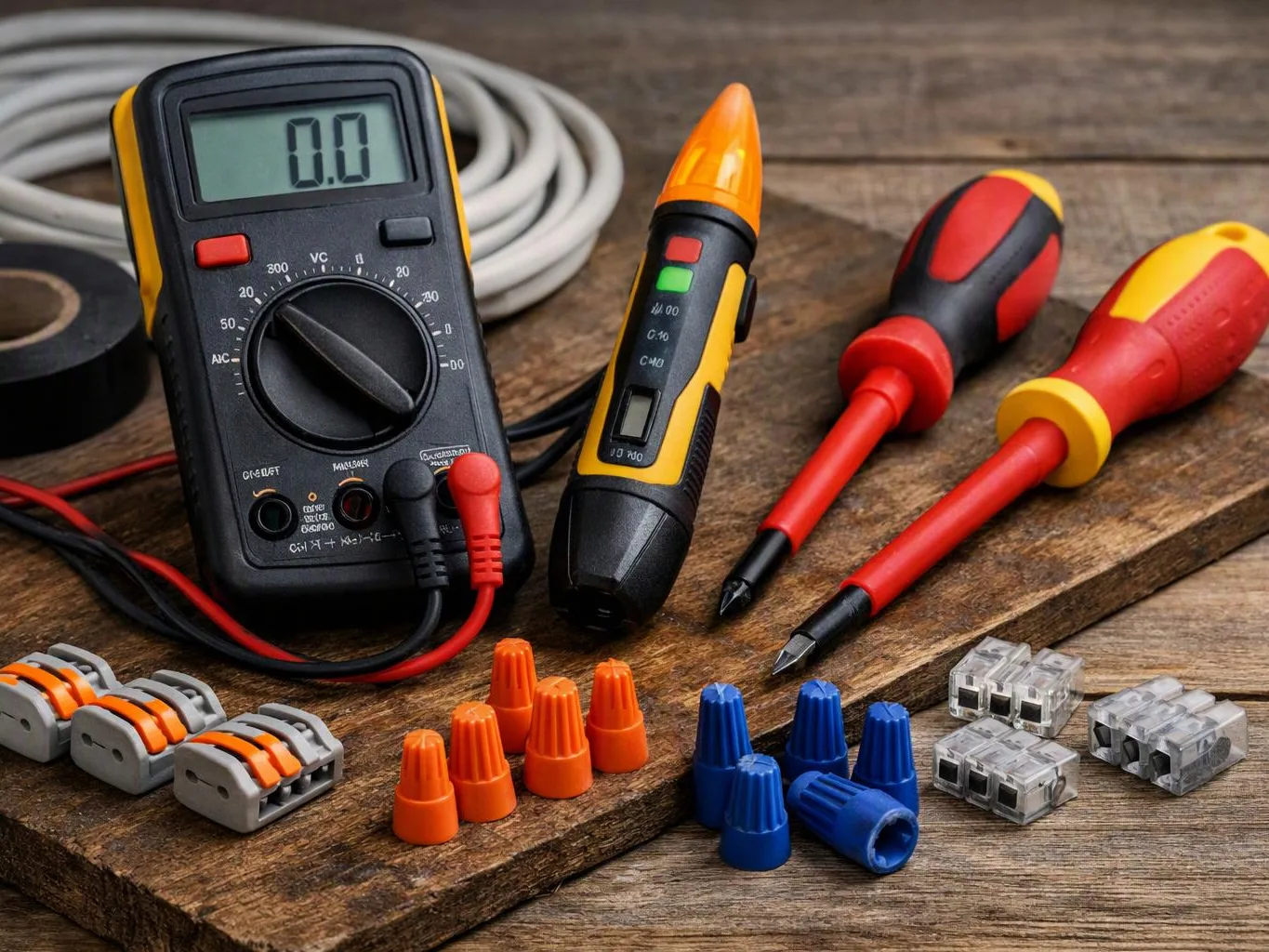
Urgent electrical fault work starts with hazard details, followed by isolation, circuit tracing, fault testing, repair planning, and a final check. We inspect the breaker, wiring, outlets, switches, and connected loads. The repair path depends on the fault and may include a temporary repair or a larger upgrade.
Which problems need panel or wiring work instead of a small repair?
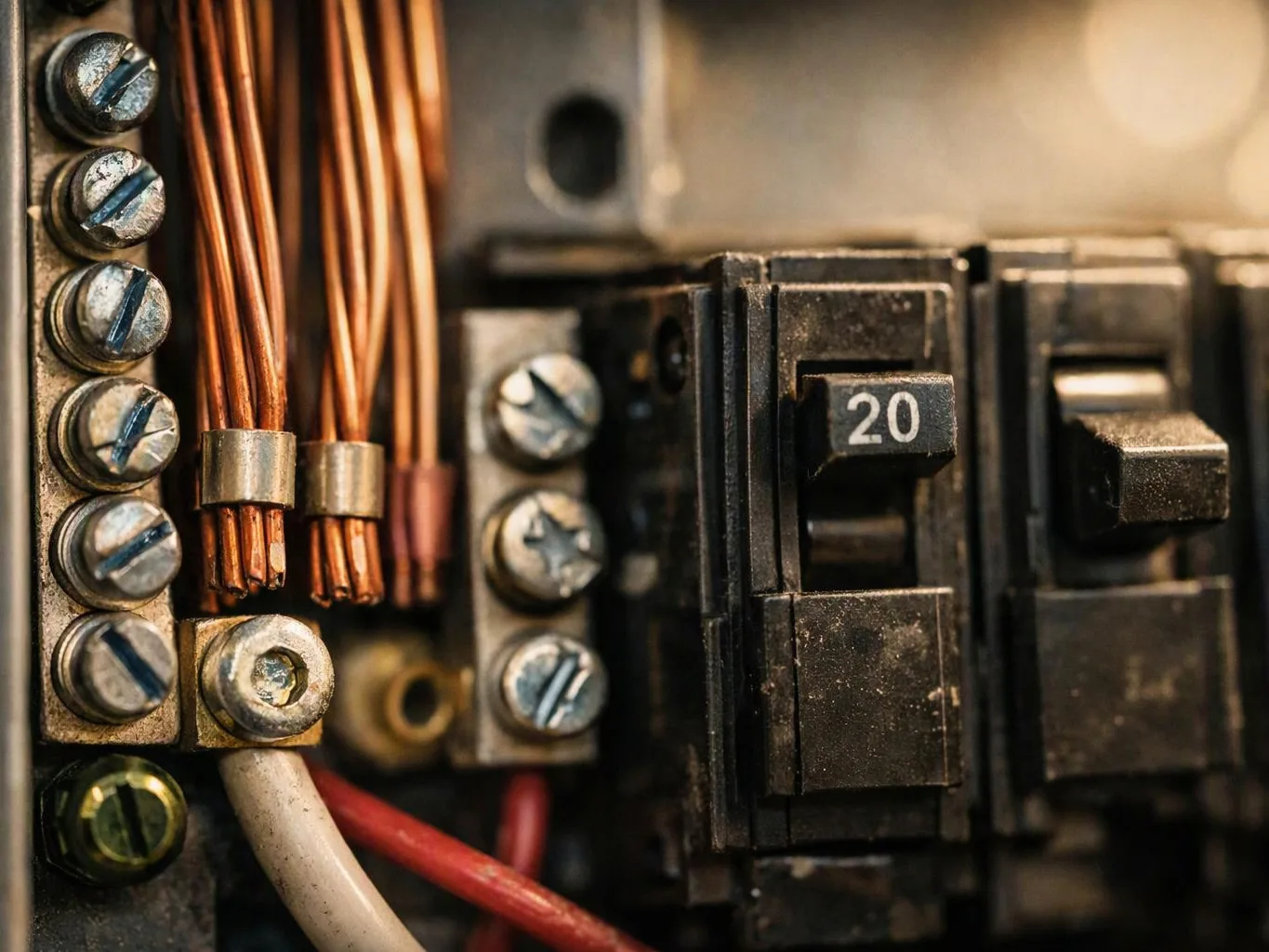
Panel or wiring work fits faults that affect several circuits, show heat damage, or return after a device replacement. We check the panel, circuit load, wiring condition, and grounding path. A single damaged outlet may need less work, while repeated trips can point to a wider electrical fault.
How do financing or payment plans apply to urgent electrical work?
Financing or payment plans may apply to eligible electrical work through our available options. The work scope still comes first, including the fault, parts, access, and any panel or wiring needs. We explain the estimate and payment choices before planned work begins.
When does an electrical fault need a separate planned visit?
A separate planned visit fits larger upgrades, full rewires, new installations, and work that needs added planning or inspection. We first control the urgent fault when possible. Then we explain the wider scope, parts, access, and next steps for the planned work.