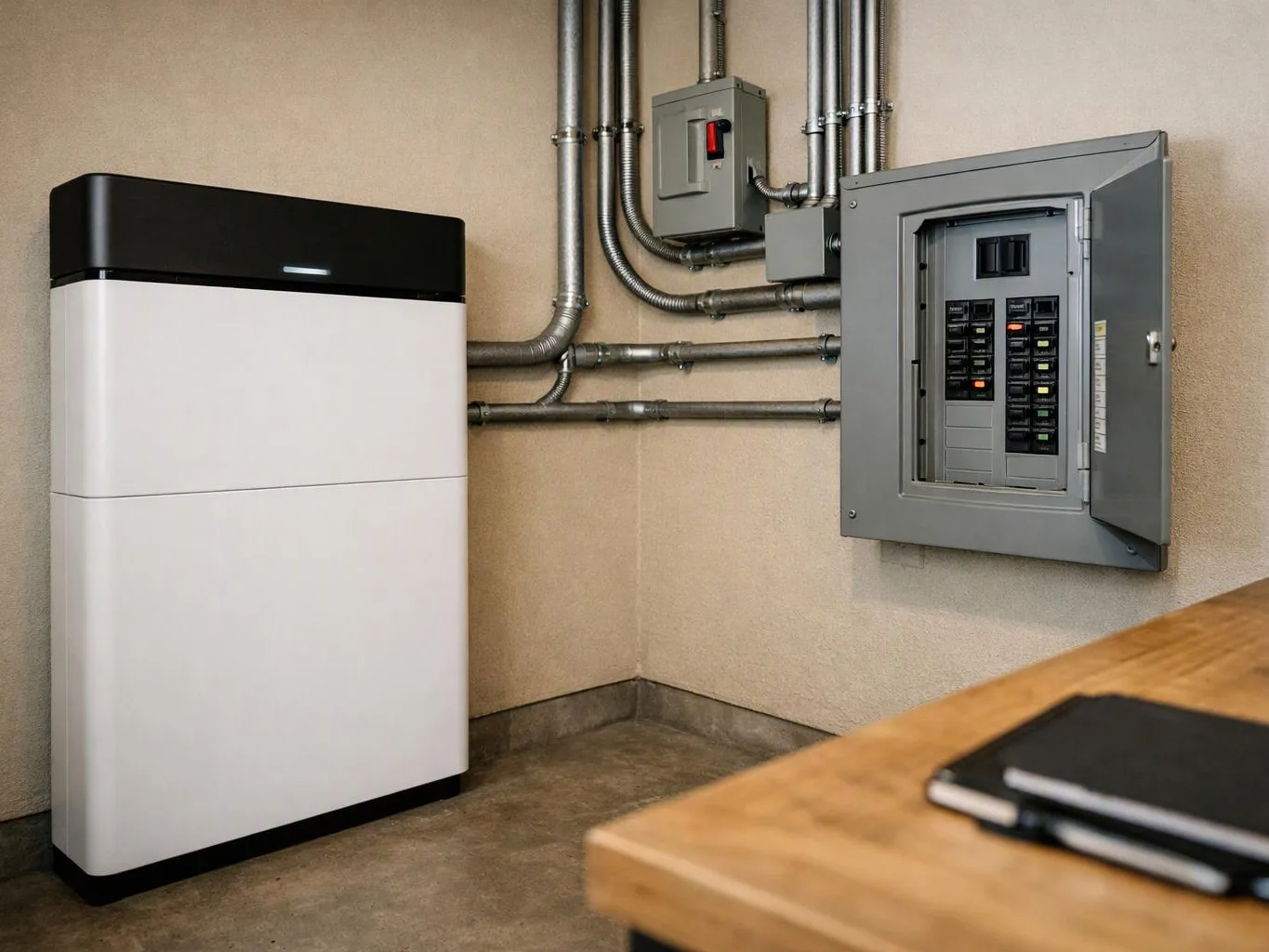
Circuit Breaker vs Fuse Box: Differences, Safety, and Replacement Considerations
Circuit breaker vs fuse box decisions depend on resettable protection, system condition, safety concerns, and replacement needs; Center Electric Service evaluates the electrical panel and provides a free estimate for qualified replacement or repair work.
Get a Free EstimateWhat Is the Difference Between a Circuit Breaker and a Fuse Box?
Circuit breaker protection uses a resettable switching device that interrupts an overloaded circuit. A fuse box is an enclosure that protects circuits with fuses that must be replaced after operation.
Both systems provide overcurrent protection through an electrical panel or fuse enclosure. We inspect the device, circuit wiring, ratings, and condition before recommending repair or replacement.
Circuit Breaker vs Fuse Box at a Glance
A circuit breaker panel generally offers resettable protection and easier maintenance. A fuse box may require a replaceable fuse and closer attention to compatibility and condition.
The right choice depends on the electrical load, panel capacity, circuit compatibility, wiring condition, and inspection requirements.
| Factor | Circuit breaker | Fuse box |
|---|---|---|
| Protection method | A breaker opens the circuit when its protective mechanism detects an overcurrent condition. | A fuse interrupts the circuit when its fusible element operates during an overcurrent condition. |
| Cost | Replacement cost depends on panel condition, capacity, circuit changes, labor, and required corrections. | Replacement cost depends on box condition, fuse compatibility, circuit changes, labor, and required corrections. |
| Reset or replacement | A tripped breaker can be reset only after the underlying cause is addressed. | An operated fuse must be replaced with the correct type and rating after the underlying cause is addressed. |
| Timeline | Project time depends on access, panel condition, circuit scope, and required electrical corrections. | Project time depends on access, box condition, circuit scope, and required electrical corrections. |
| Maintenance | Maintenance focuses on safe operation, panel condition, recurring trips, heat, damage, and circuit performance. | Maintenance focuses on correct fuse type and rating, box condition, recurring operations, heat, damage, and circuit performance. |
| Best for | Homes needing resettable overcurrent protection and a panel that supports the electrical system's requirements. | Existing systems that remain compatible and safe after inspection, subject to local requirements and system condition. |
What Are the Advantages of a Circuit Breaker Panel?
A circuit breaker panel provides resettable circuit protection and can make recurring electrical problems easier to identify during inspection. We also check whether the panel can support planned circuit additions.
Best for electrical systems that need resettable protection and a panel suited to present circuit demands.
What Are the Advantages of a Fuse Box?
A fuse box can provide effective overcurrent protection when the box, fuses, wiring, and circuit ratings are compatible and properly maintained. We inspect the fuse box before deciding whether it remains suitable.
Best for an existing fuse-based system that passes inspection and remains compatible with its circuits.
Which Is Safer: a Circuit Breaker or a Fuse Box?
Neither device is automatically safer in every installation; safety depends on correct ratings, sound wiring, proper installation, and protection that matches each circuit.
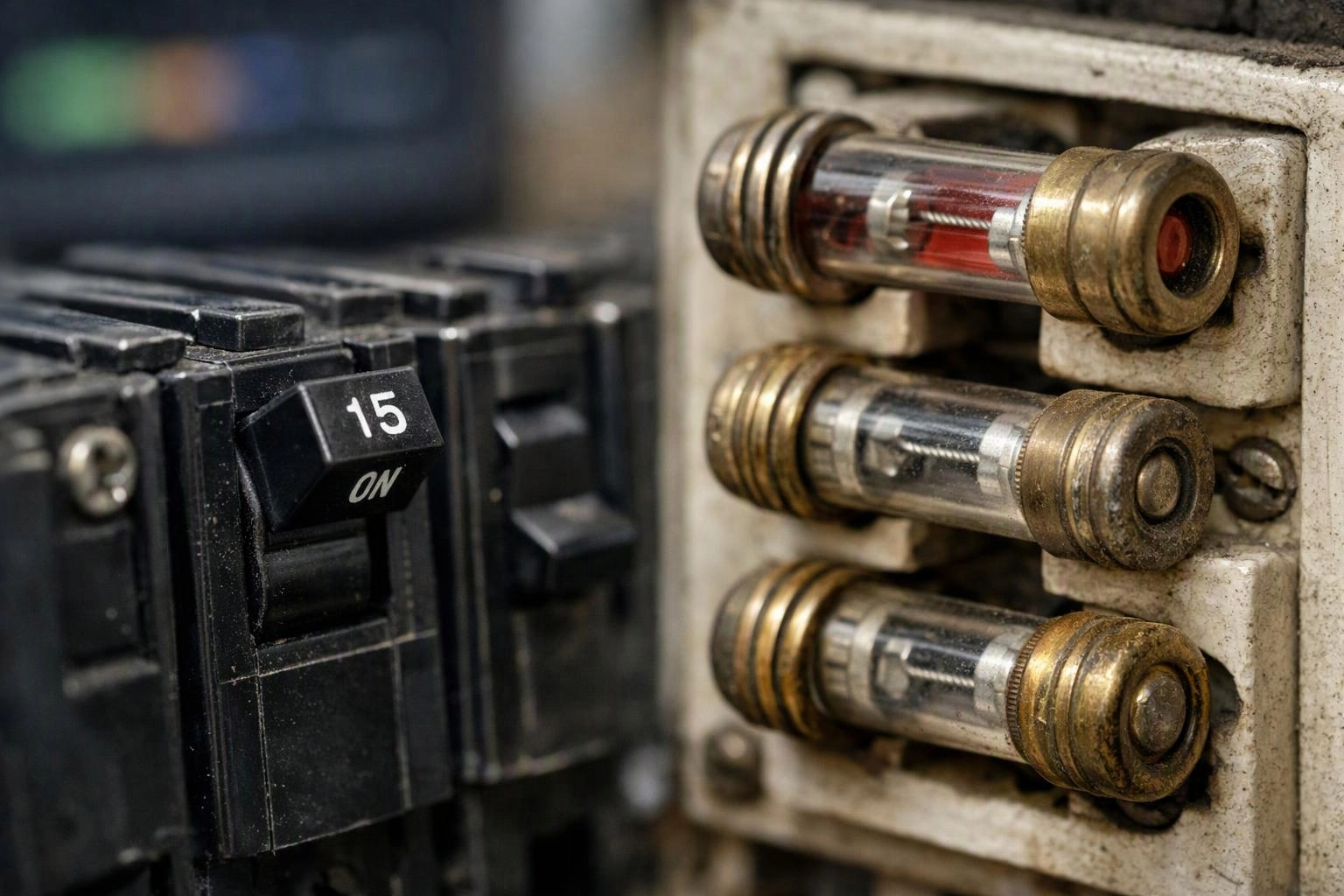
Repeated breaker trips can indicate an overload, short circuit, ground fault, or equipment trouble. We assess the circuit before restoring protection or recommending a repair.
Repeated fuse operation can indicate the same types of electrical problems. A fuse must not be replaced with a higher rating to stop repeated operation.
Burning odors, scorch marks, buzzing, warmth, visible damage, or repeated operation require prompt electrical assessment. We handle the inspection without exposing you to energized panel parts.
Electrical panels and fuse boxes should not be opened for DIY troubleshooting when energized components may be exposed.
When Should You Replace a Fuse Box with a Circuit Breaker Panel?
Fuse box replacement becomes a consideration when the existing equipment is damaged, incompatible with the electrical load, difficult to maintain, or unsuitable for planned circuit changes.
We review the panel capacity, circuit compatibility, grounding, and code and inspection criteria before recommending replacement.
What Does Circuit Breaker or Fuse Box Replacement Involve?
Electrical panel replacement starts with an inspection and load assessment. We use the findings to define safe repair, replacement, circuit, testing, and inspection work.
How Center Electric Service Helps With Panel Repair or Replacement
Center Electric Service assesses the existing protection, explains the repair or replacement scope, and provides free estimates for the work we recommend.
We connect inspection findings to the appropriate service, whether the panel needs Electrical Panel Repair or the system needs Circuit Breaker Replacement.
Our team reviews the electrical load, panel enclosure, circuit wiring, grounding, and visible damage. We then explain the work covered by our estimate and complete the approved electrical testing.
What Should You Check Before Choosing a Replacement?
Replacement selection should follow an assessment of the electrical load, wiring, grounding, enclosure condition, circuit needs, and applicable inspection criteria.
Questions About Circuit Breakers and Fuse Boxes
Can you replace a fuse box with a circuit breaker panel?
Yes, Center Electric Service can assess whether fuse box replacement with a circuit breaker panel suits the electrical load, wiring, grounding, panel capacity, and inspection requirements.
Why does a circuit breaker keep tripping?
A circuit breaker can keep tripping because of an overload, short circuit, ground fault, or equipment problem. We inspect the affected circuit before resetting or replacing protective equipment.
Why does the same fuse keep blowing?
The same fuse can keep operating because of an overload, short circuit, ground fault, or equipment trouble. We check the circuit condition and fuse rating before recommending the next step.
Can a fuse box support modern electrical appliances?
Yes, a fuse box may support electrical appliances when its capacity, fuses, wiring, grounding, and circuit compatibility meet the system's needs. We assess those conditions before advising repair or replacement.
What should I do if my electrical panel smells hot?
A hot smell from an electrical panel can signal heat damage or a loose connection. Stop using affected equipment when safe to do so and contact Center Electric Service for an electrical assessment.
Does a circuit breaker panel need repair if only one breaker trips?
One tripped breaker does not always mean the panel needs repair, but the affected circuit still needs assessment when the trip repeats. We check the load, wiring, breaker rating, and connected equipment.
Get a Clear Electrical Panel Recommendation
Center Electric Service evaluates your fuse box or electrical panel, explains the findings, and provides a free estimate for qualified repair or replacement work.
Request an electrical assessment so our team can review the electrical load, panel capacity, circuit compatibility, grounding, and safety concerns.
Related Resources
Signs You Need Electrical Panel Repair
How It WorksElectrical Troubleshooting Process: From Symptoms to Safe Repairs
How It WorksElectrical Panel Repair Process: Inspection, Diagnosis, and Testing
Brand vs BrandRiverside Electrical Service Companies Worth Comparing: What to Verify Before Hiring