What causes lights or outlets to stop working?
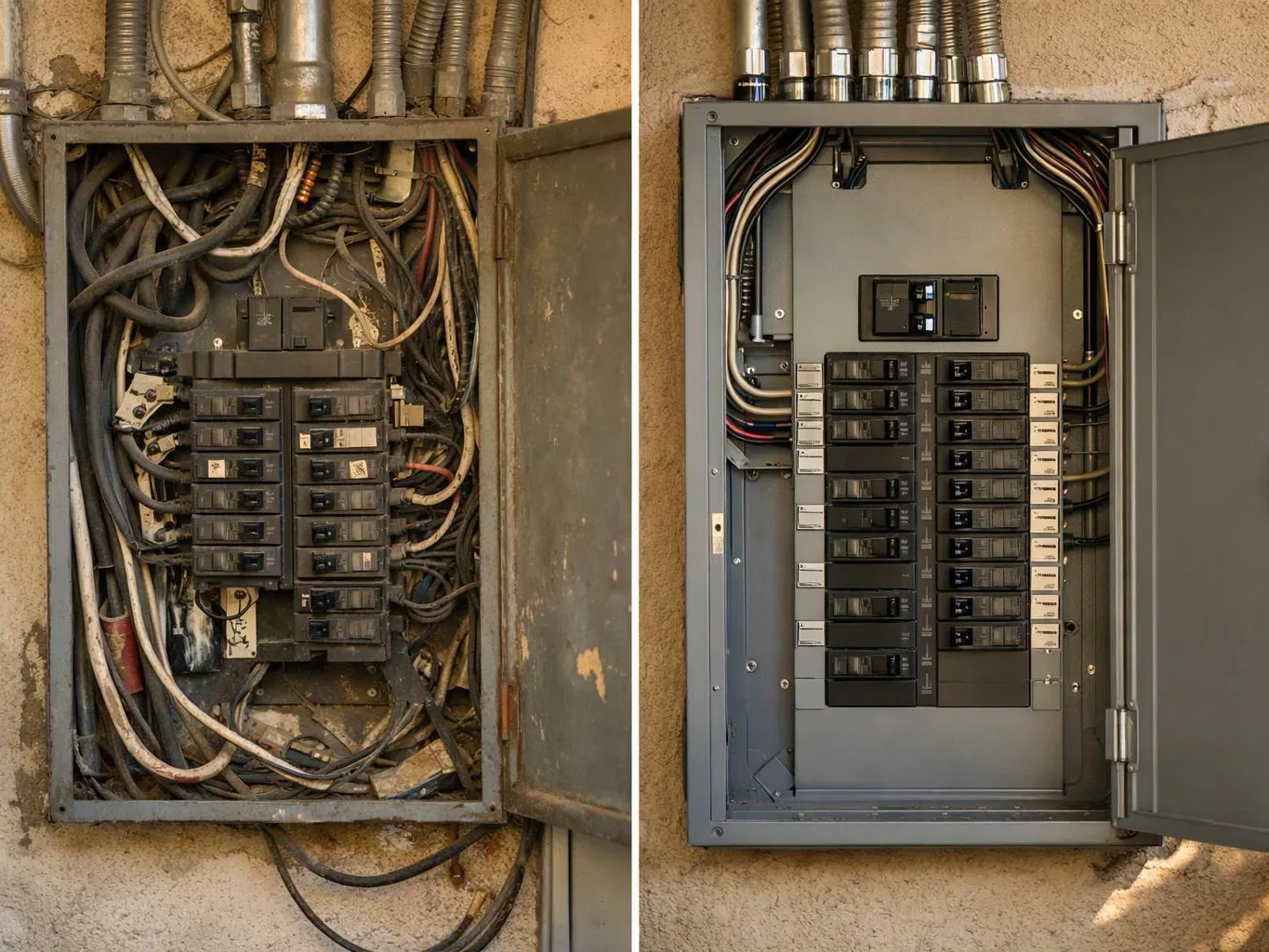
A loose terminal, tripped breaker, damaged wiring, failed switch, or overloaded circuit can stop power. We inspect the affected point and trace the circuit. A burning smell, buzzing panel, sparks, or warm switch plate needs prompt attention. Stop using the affected part and keep clear until we check it.
What should I check before troubleshooting is scheduled?
The affected lights, outlets, breaker position, and recent appliance changes are useful details. Customers should note what stopped working and avoid opening panels or outlets. Photos can help when they show the outlet, switch, or panel from a safe distance.
Who is a good fit for electrical troubleshooting?
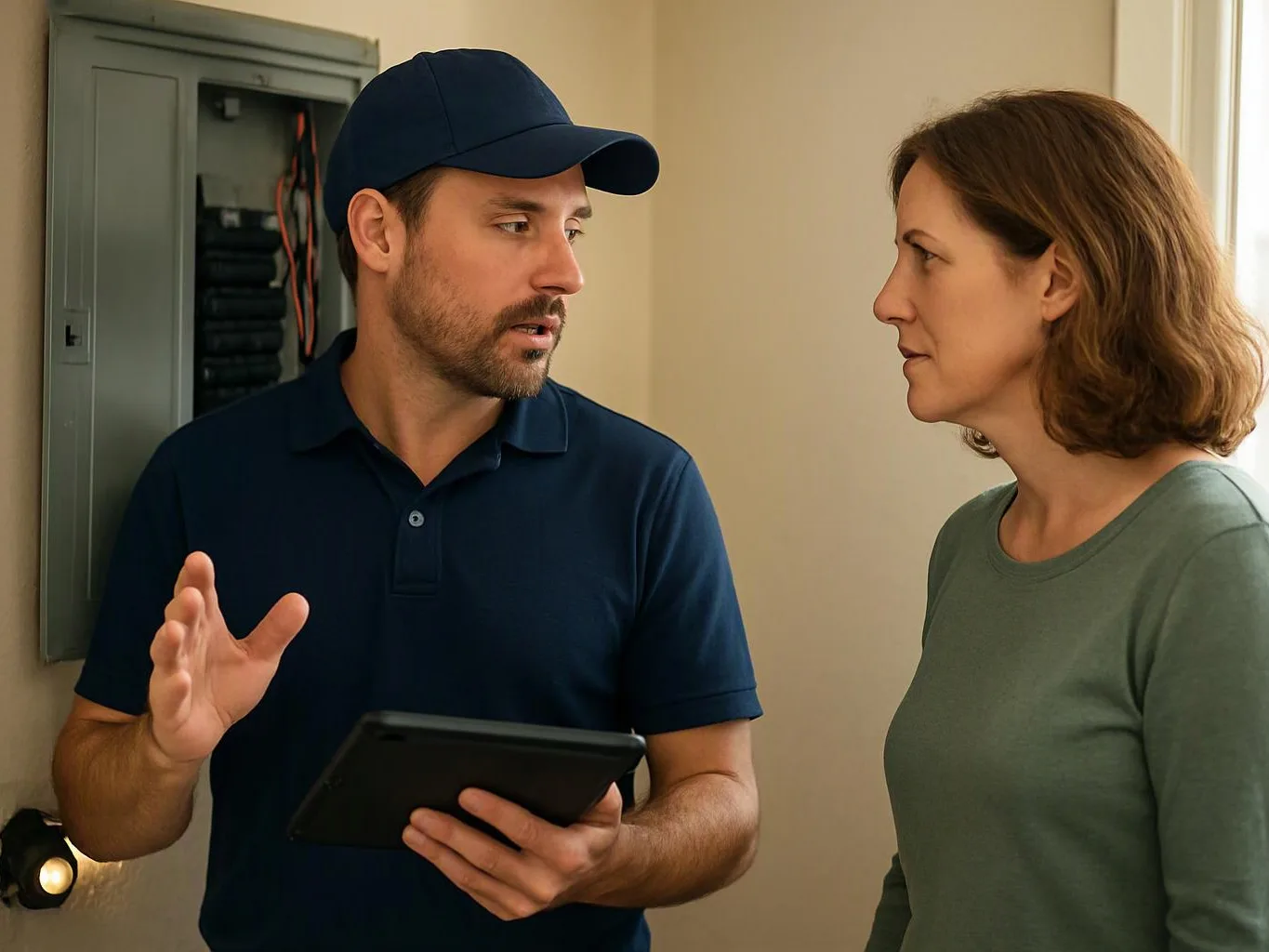
Center Electric Service helps homeowners and businesses with unexplained power faults. The service fits dead outlets, flickering lights, failed switches, and repeated breaker trips. Planned lighting work or a panel upgrade with no fault to find needs a different service.
What happens at each stage of the electrical check?
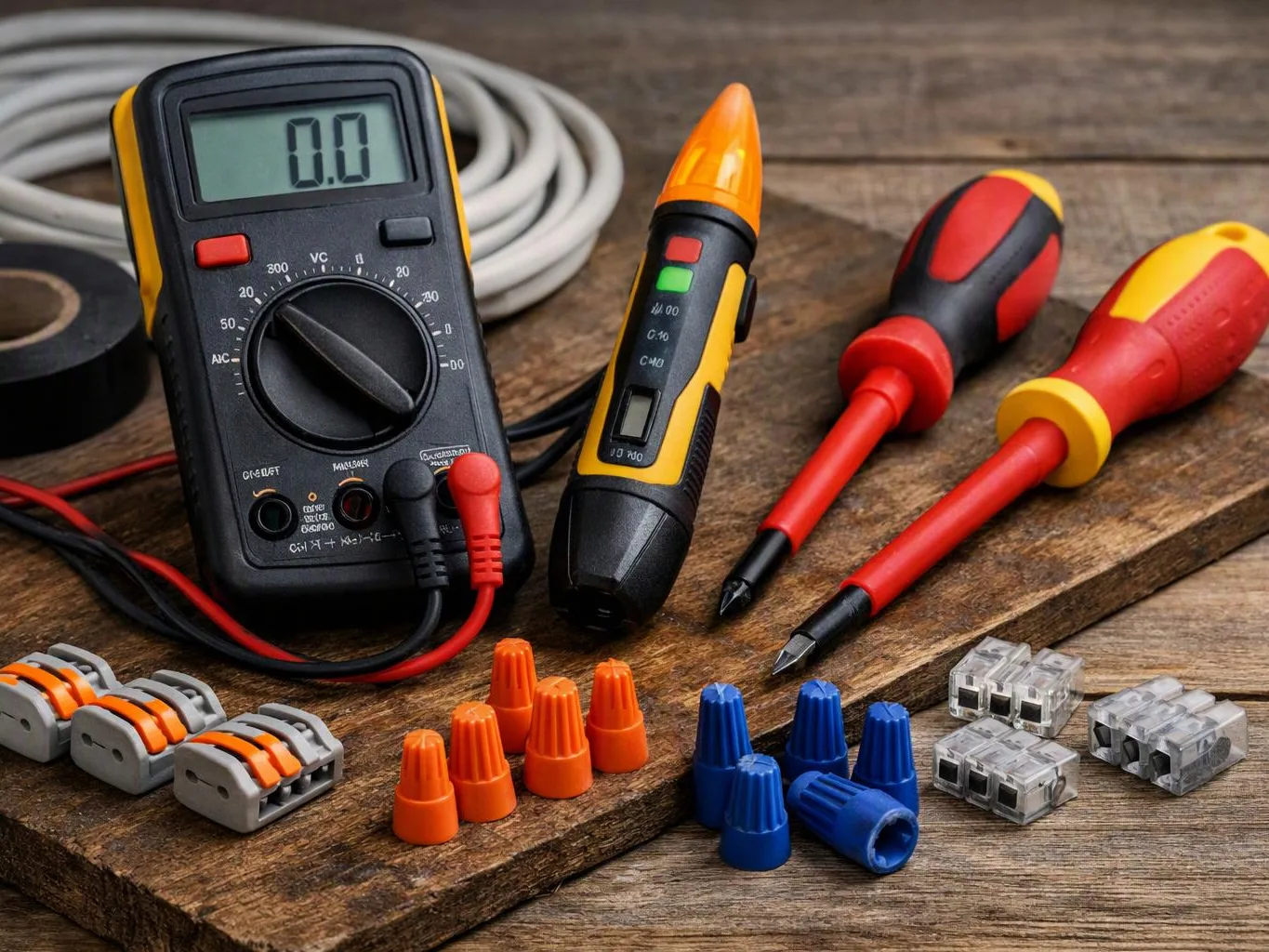
The work starts with the reported symptom, then moves through inspection, circuit tracing, testing, and repair planning. We check the panel, breaker, wiring, outlet, switch, and load when each part relates to the fault. The final step is a plain explanation of the findings and next work.
Which part can change the cost of a fault check?
The fault location, access, wiring condition, circuit layout, and needed parts affect the cost. A visible outlet issue may need less work than a fault hidden in wiring. We inspect the problem and provide a quote based on the actual scope.
When does a breaker trip become urgent?
A breaker becomes urgent when it trips again, feels hot, buzzes, or connects with a burning smell. We check the breaker, circuit load, wiring, and connected devices. Don't keep resetting it when warning signs remain, because the fault still needs a proper check.
Why should I call an electrician for a dead outlet?
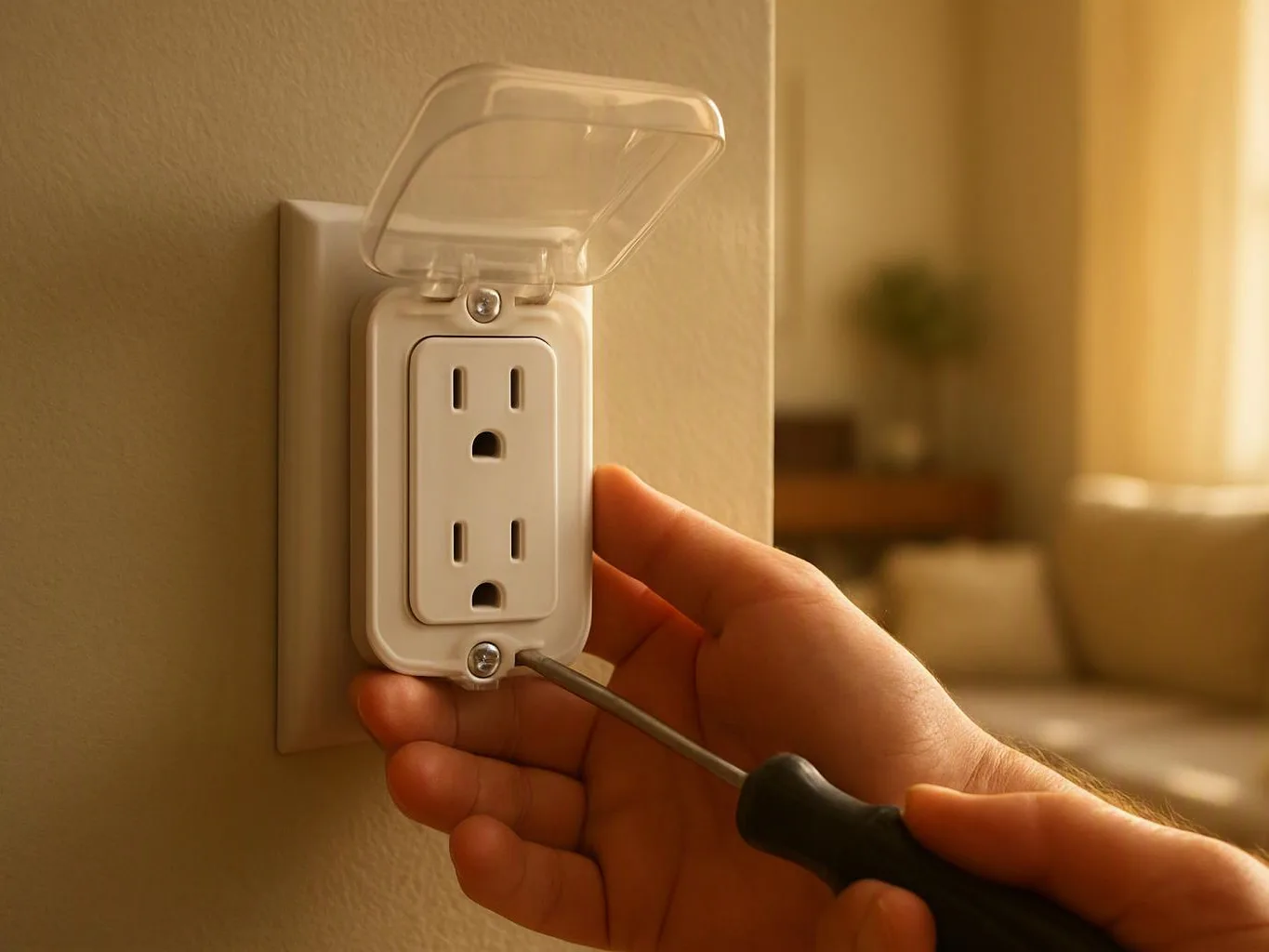
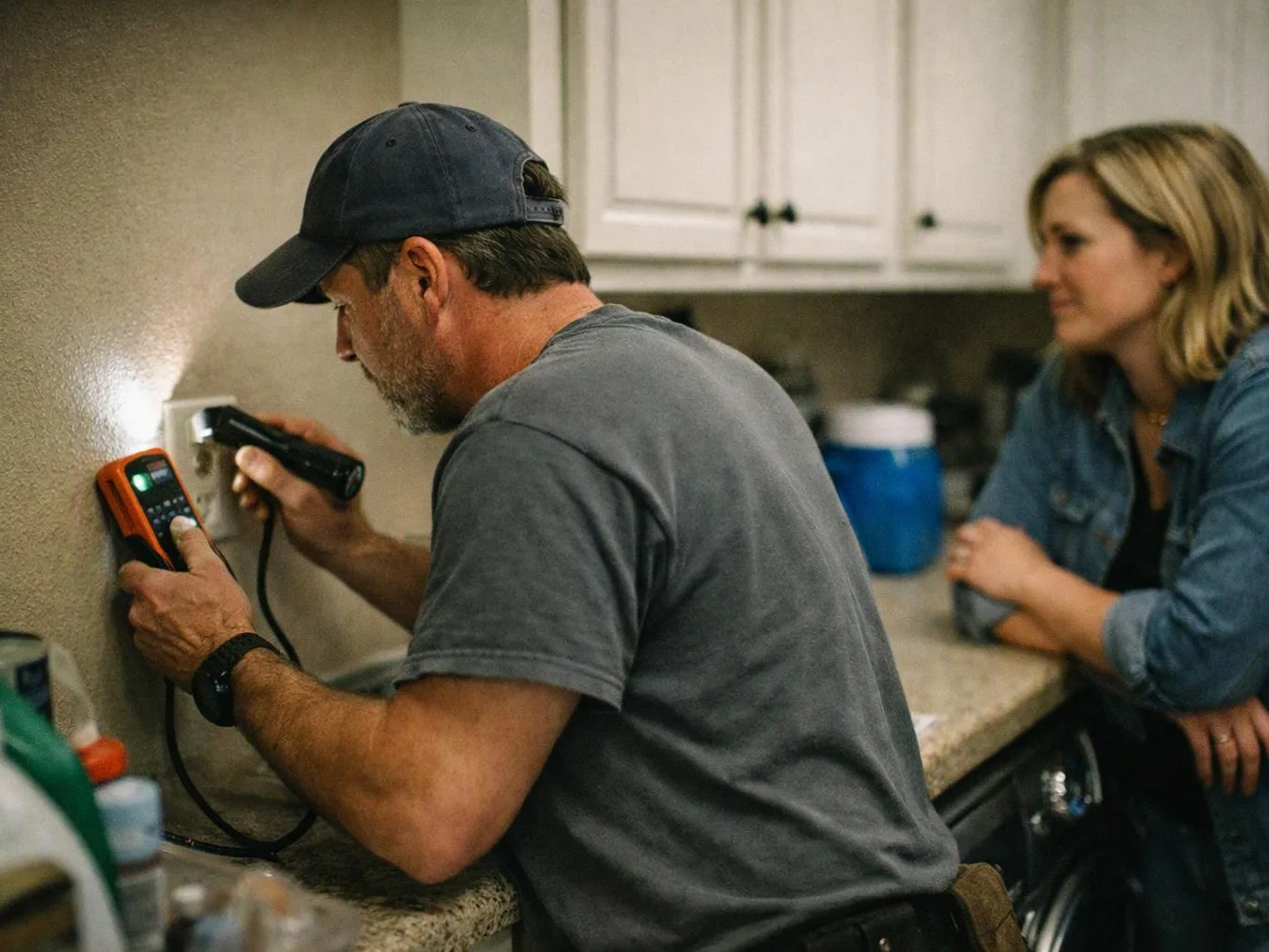
A dead outlet may have a failed receptacle, lost circuit feed, damaged wire, or tripped breaker. We test the outlet and trace its circuit before repair. Customers should avoid removing the cover or touching exposed wire, especially when heat, sparks, or odor are present.